Cape May Brewing Has No Secret Sauce
With careful planning and carefree beers, the New Jersey brewery took itself from a Shore town taproom to a three-state powerhouse.
Showing 441-460 of 860 articles

With careful planning and carefree beers, the New Jersey brewery took itself from a Shore town taproom to a three-state powerhouse.

Despite early warnings of climate change—with all its potential for volatility and disasters—growers in the Pacific Northwest say they may have a record harvest this year.

Great lager depends upon exacting attention to details—and not only when it comes to fermentation and conditioning. Here we look at brewhouses specifically designed with lager in mind, to better appreciate what makes them different.

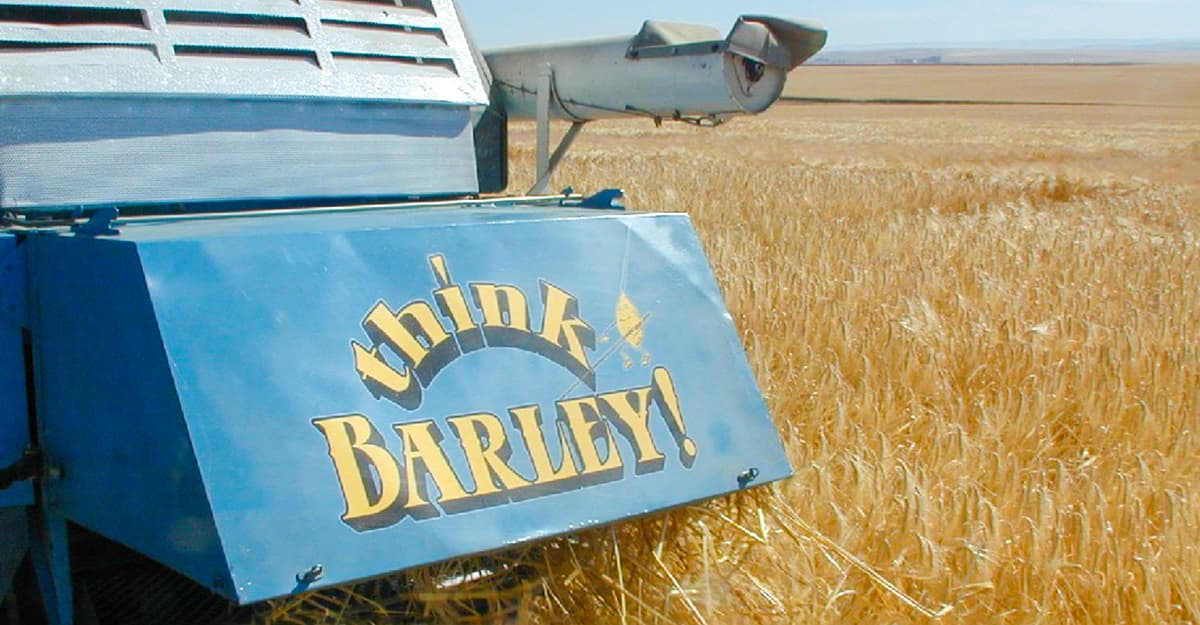
Efficiency and the needs of industry have dominated North American barley growing, limiting what’s grown and where. However, independent brewers seeking locally grown options are spurring the development of new, distinctive varieties in unusual places.

Innovation then, innovation now... One of the world’s most influential brewers shares insights into Sierra Nevada’s creative and technical processes, outlining their philosophy as they push into the “beyond-beer” realm.

Even as the shortage of aluminum cans gradually eases, supply-chain issues are wreaking havoc on price and availability. Here are specific tips for making sure you have the packaging you need, when you need it.

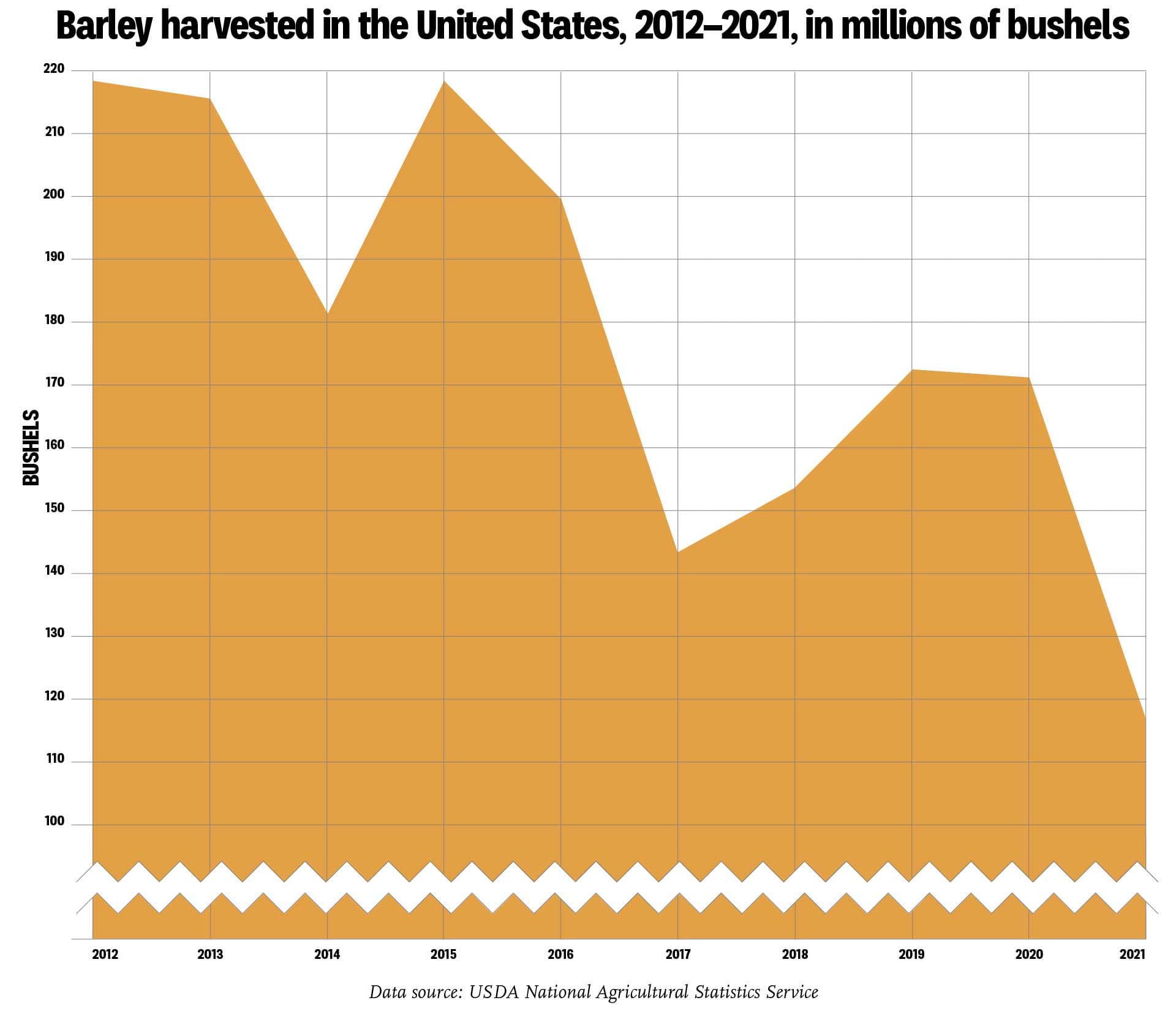
Why do hop varieties get all the love? With the help of data from the American Malting Barley Association, here’s a glimpse at the varieties that make up the bulk of U.S.-grown malting barley and where those varieties are grown.

Growers, breeders, maltsters, and brewers will need to adapt faster than they have in the past if they’re going to keep up with accelerating change.

Produced and made freely available by New Belgium Brewing in Colorado, the new resource is meant to help breweries of all sizes make plans to measure and reduce their carbon footprints.

As vaccination rates lag and the Delta variant surges, some breweries are choosing to require proof of vaccination for staff or customers; in some places, it’s required by law. Here’s how some are implementing such policies while minimizing complications.

The Brewers Association has issued new guidance to help prevent dangerous boilovers in the brewhouse.

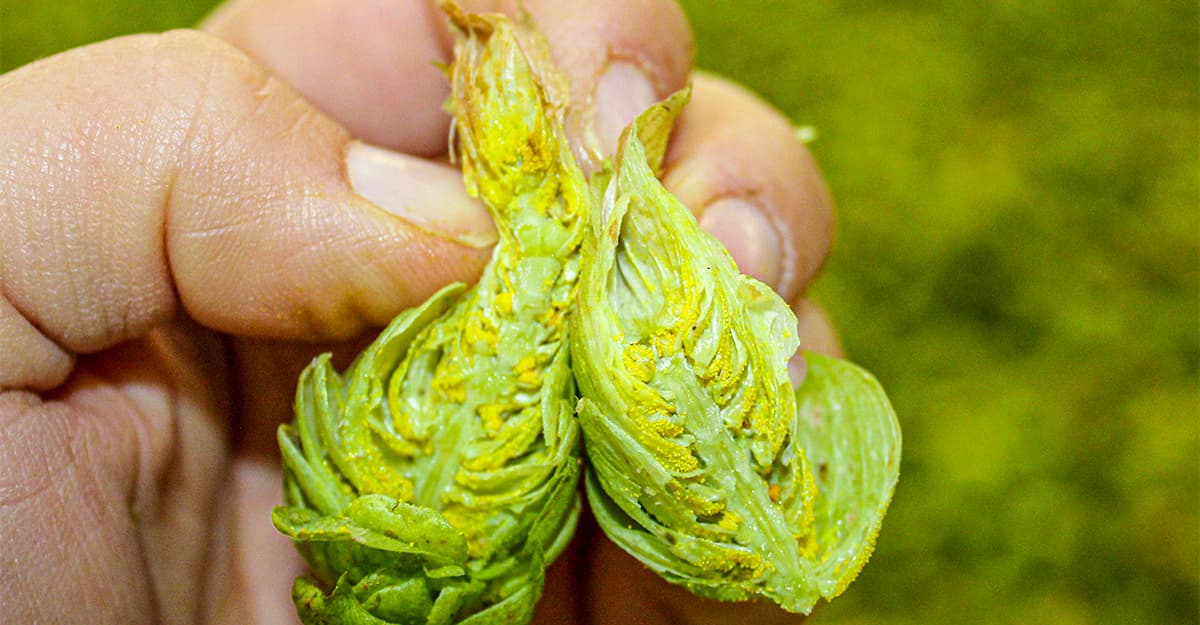
New hop-derived products for aroma and flavor are appearing faster than brewers can learn how best to use them. Stan Hieronymus is here with a primer.

The recent social media–fueled reckoning in the beer industry has led to a new open-source collaboration. Brave Noise aims to continue the conversation about sexism, discrimination, and workplace culture at breweries worldwide.

As unfilled hospitality jobs set new records, breweries may need to reconsider pay, benefits, and culture to better lure and keep good people.

Two Roads cofounder and brewmaster Phil Markowski has embraced hard seltzer as a beverage that has its time and place. Here, he discusses the development of their groundbreaking H2Roads hard seltzer.

Brewers have never had more choices when it comes to yeast, and the arrival of new strains is accelerating thanks to selective breeding and gene editing. Bespoke yeasts, anyone?

The rising interest in hard seltzer and other not-so-beery beverages—including kombucha, wine, coffee, and more—has led to new looks at existing gear in the brewhouse—as well as investments in equipment or partnerships that could have wider benefits.

With inflation and supply-side costs in the headlines, many breweries are wondering whether now is the time to raise prices in their taprooms or on shelves. But experts warn not to make that decision too quickly.

Was Heater Allen brewing lager before it was cool? Trick question. Lager has always been cool—it just took the rest of you a while to catch on. Here, the daughter-father team Lisa and Rick Allen lay out their approach to running a lasting niche business.

Here’s how new yeasts are taking advantage of genetic editing and modification to free up thiols—not only in hops, but also in barley malt—for more expressive tropical aromas and flavors.