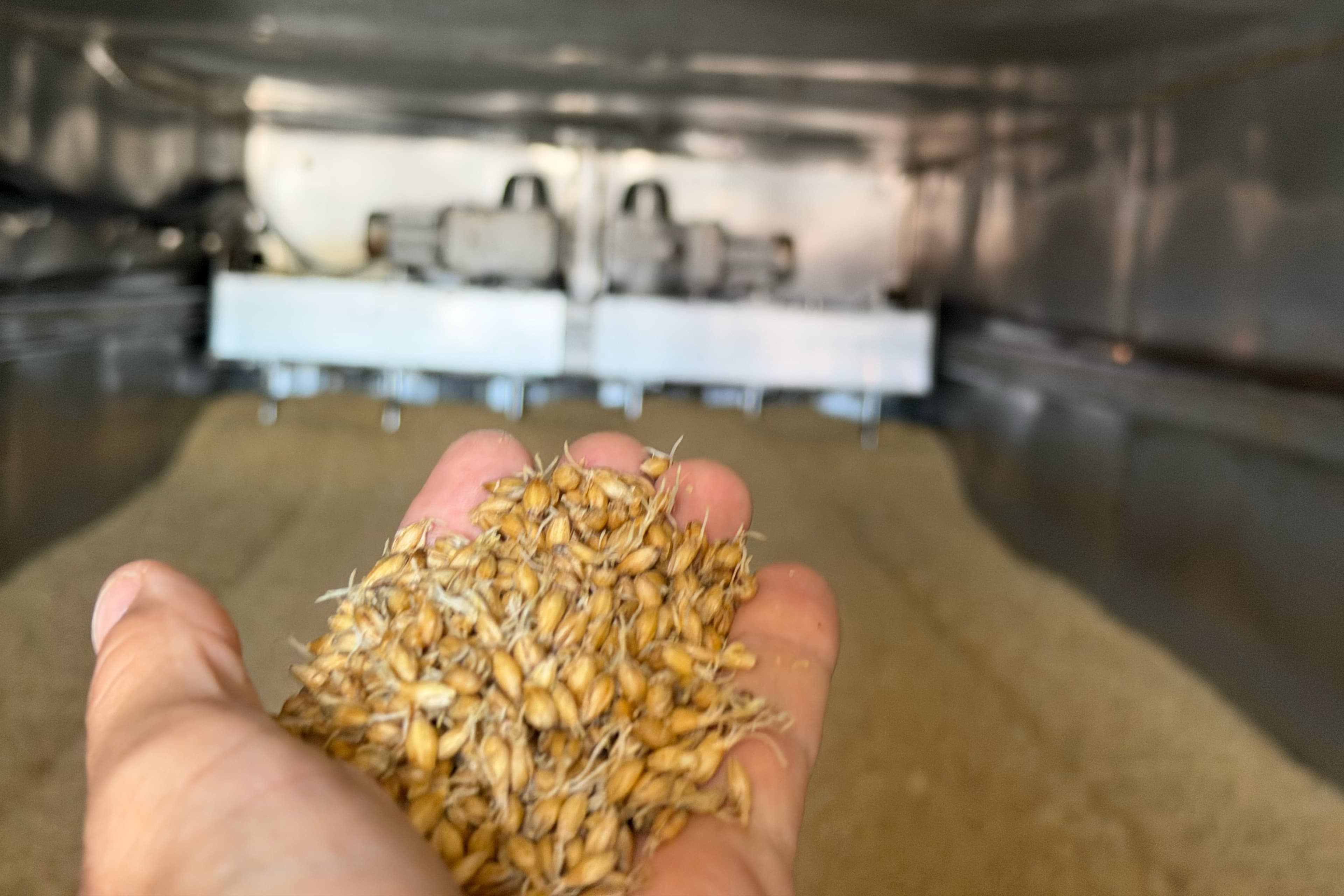
Malt Insider: Ultra-Pale Malts Are Ascendant
Industry All Access
Ever-paler malts are becoming increasingly popular and important to the modern brewer, and the reasons go well beyond color.
By Ryan Pachmayer

48 articles in this category
Ever-paler malts are becoming increasingly popular and important to the modern brewer, and the reasons go well beyond color.
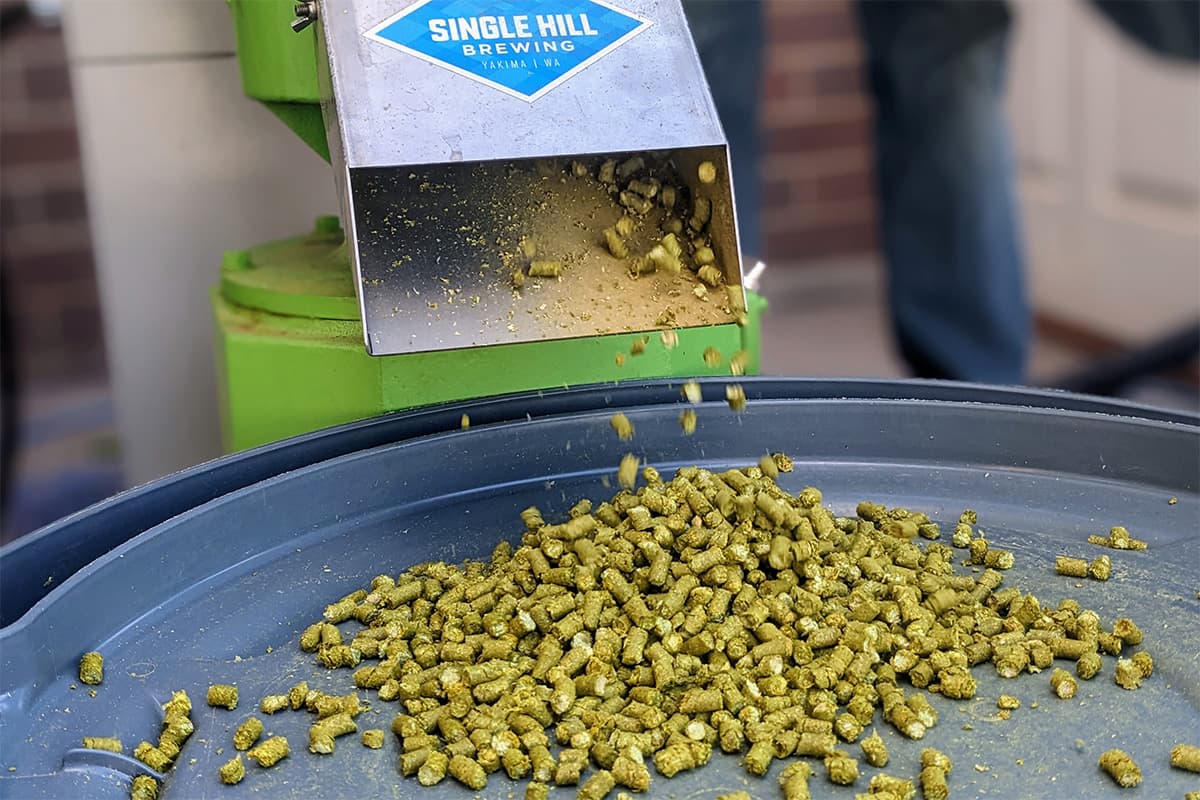
Has the fresh fish on the menu been frozen? More drinkers may be asking the same about their fresh-hopped beers—and when it comes to the hot side versus cold side “feud,” there may be bigger fish to fry.
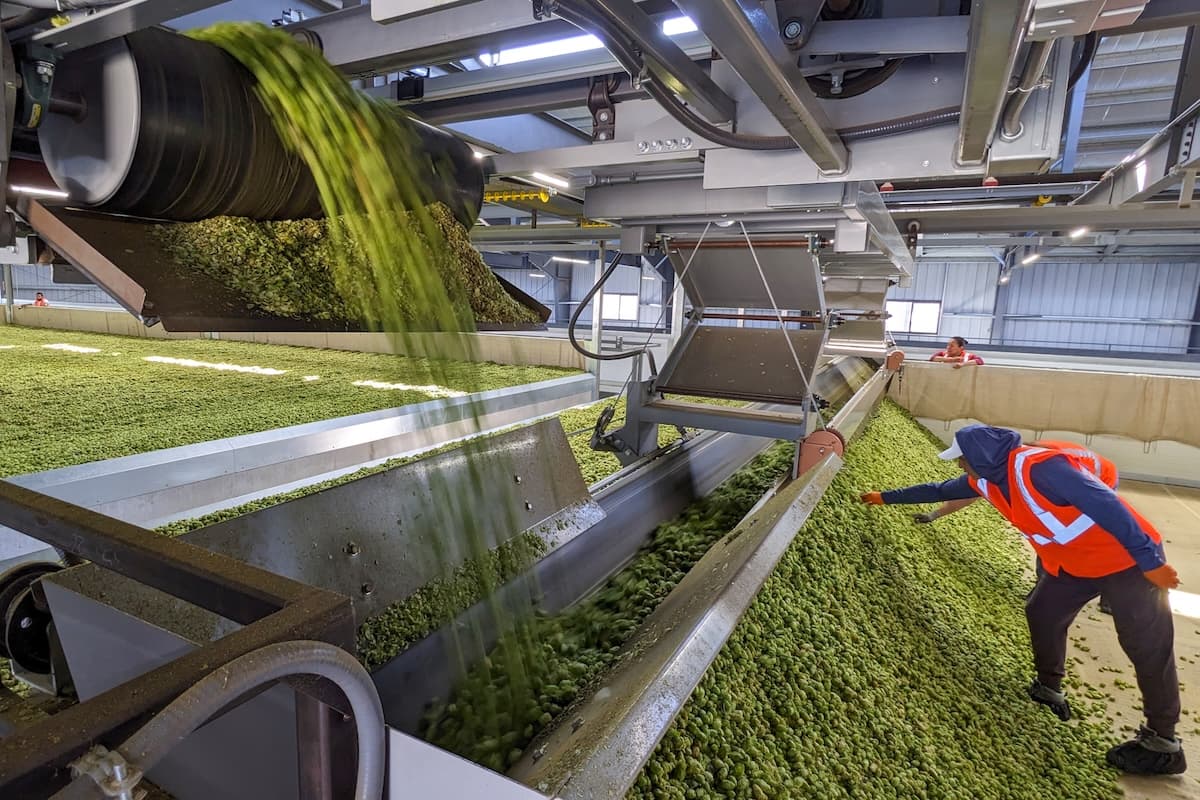
Even as the hop surplus begins to shrink, the global beer market is facing a reset that will affect demand and future acreage. A likely upshot for brewers without contracts: higher spot prices and unavailable varieties in the near future.
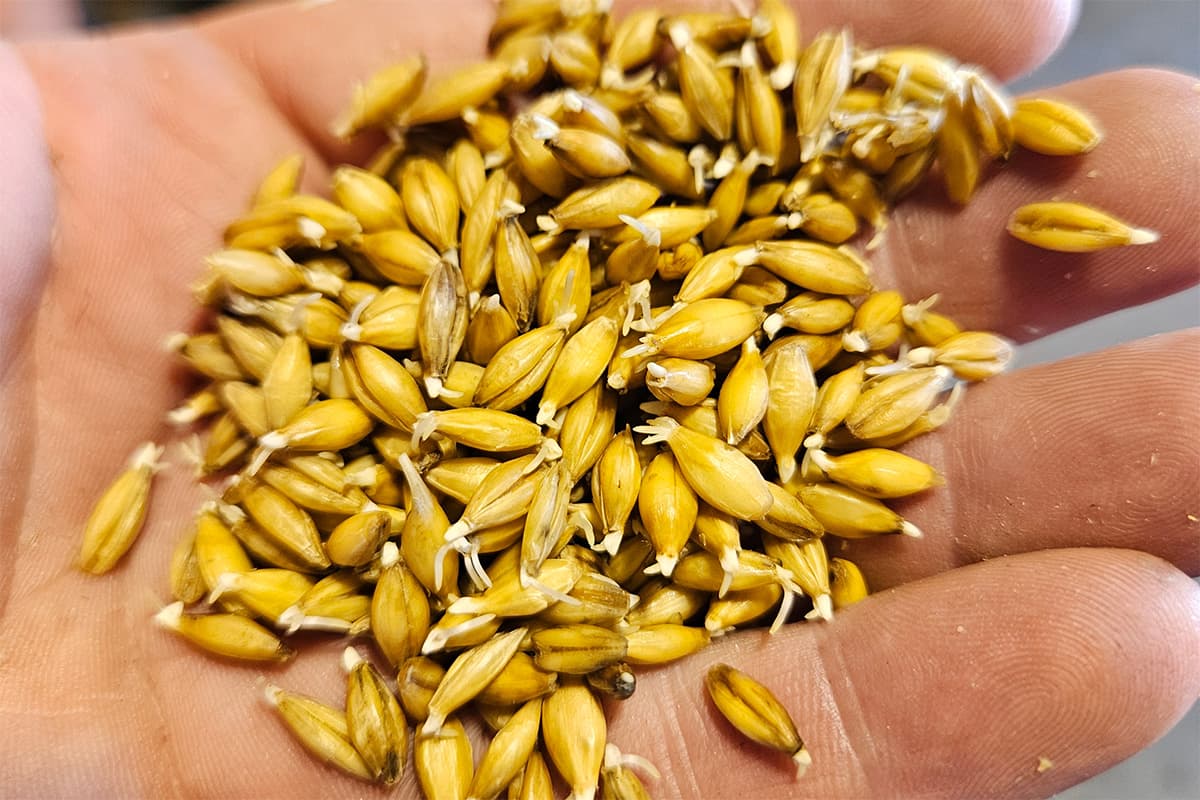
Once seen as a luxurious adventure—with high prices and inconsistent quality—local malts with fresh, unique flavors are winning over some brewers, even as the costs of imported malts rise.
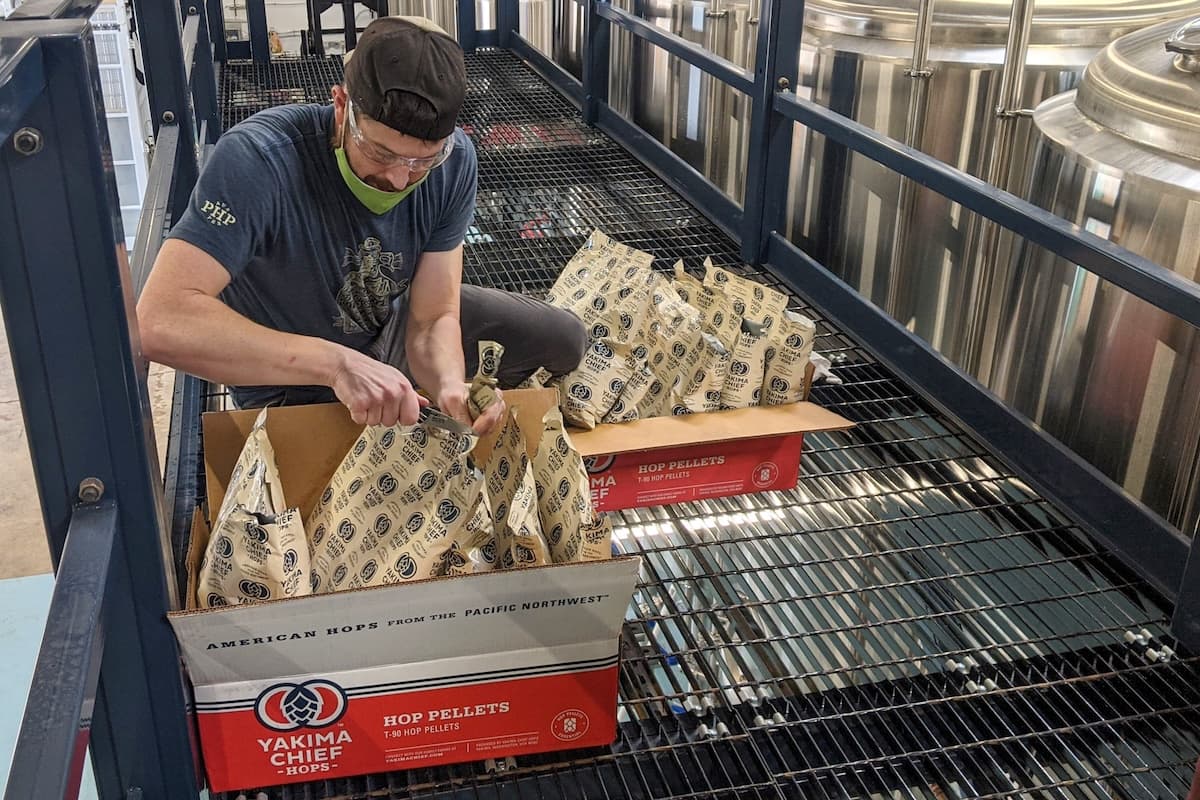
Before you commit to using the newest new hop variety, it may be wise to consider how many different varieties your brewery can—or even should—use.
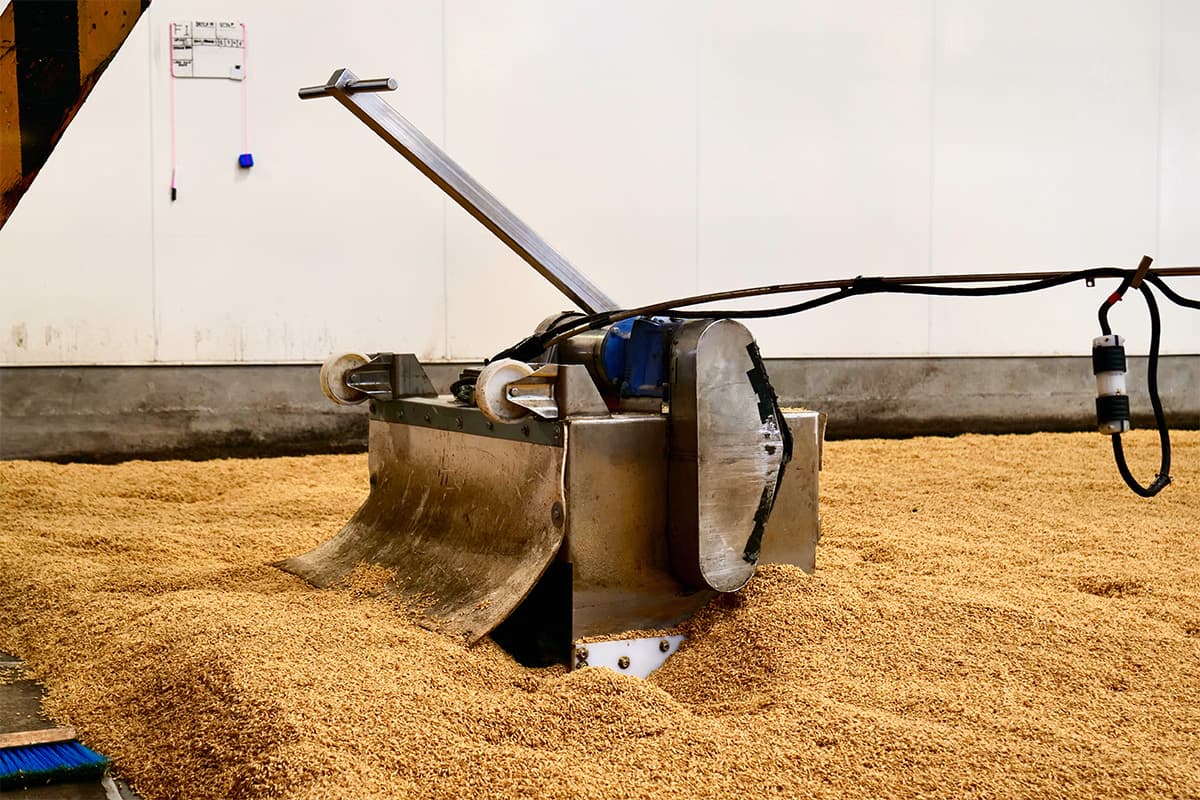
A new category in the 2026 Great American Beer Festival competition aims to raise the profile of craft maltsters and their offerings. Here’s what the malt-minded pros suggest for brewing up an entry—and it starts with collaboration.
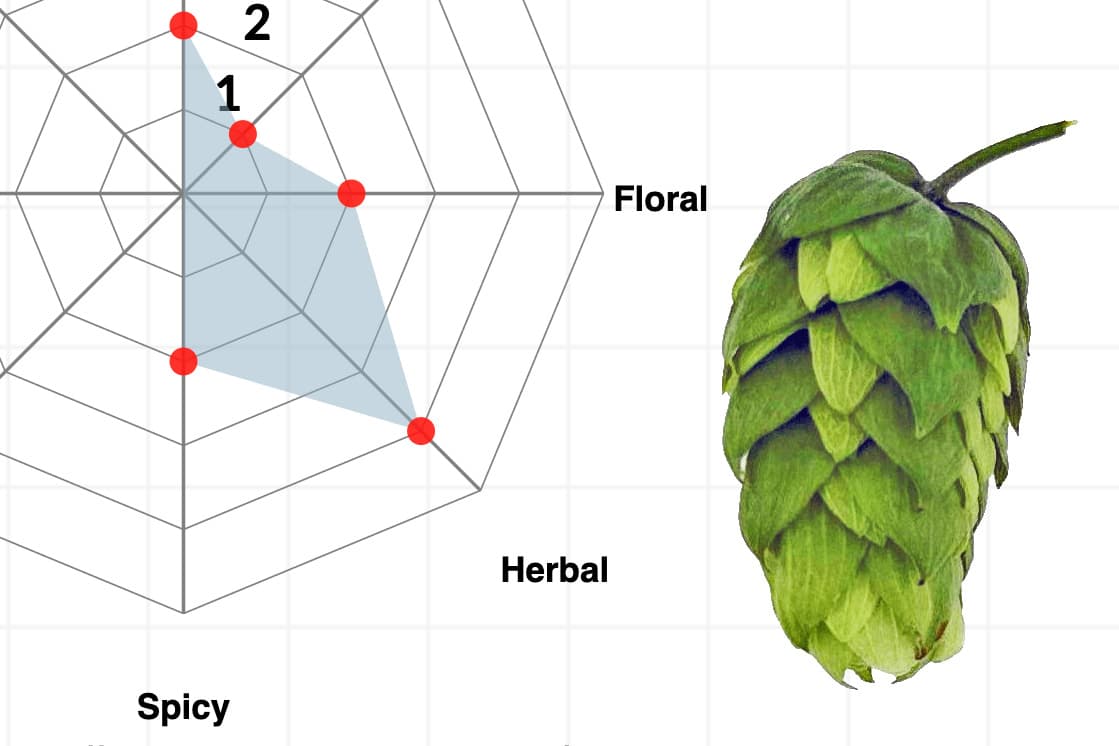
American brewers are “incredibly articulate” when it comes to IPA hops. What do they have to learn about lager hops? To get up to speed, they may need to go beyond the rub.
There are plenty of levers that brewers can pull to help their hop-forward beers taste fresher, for longer, out in the wild.
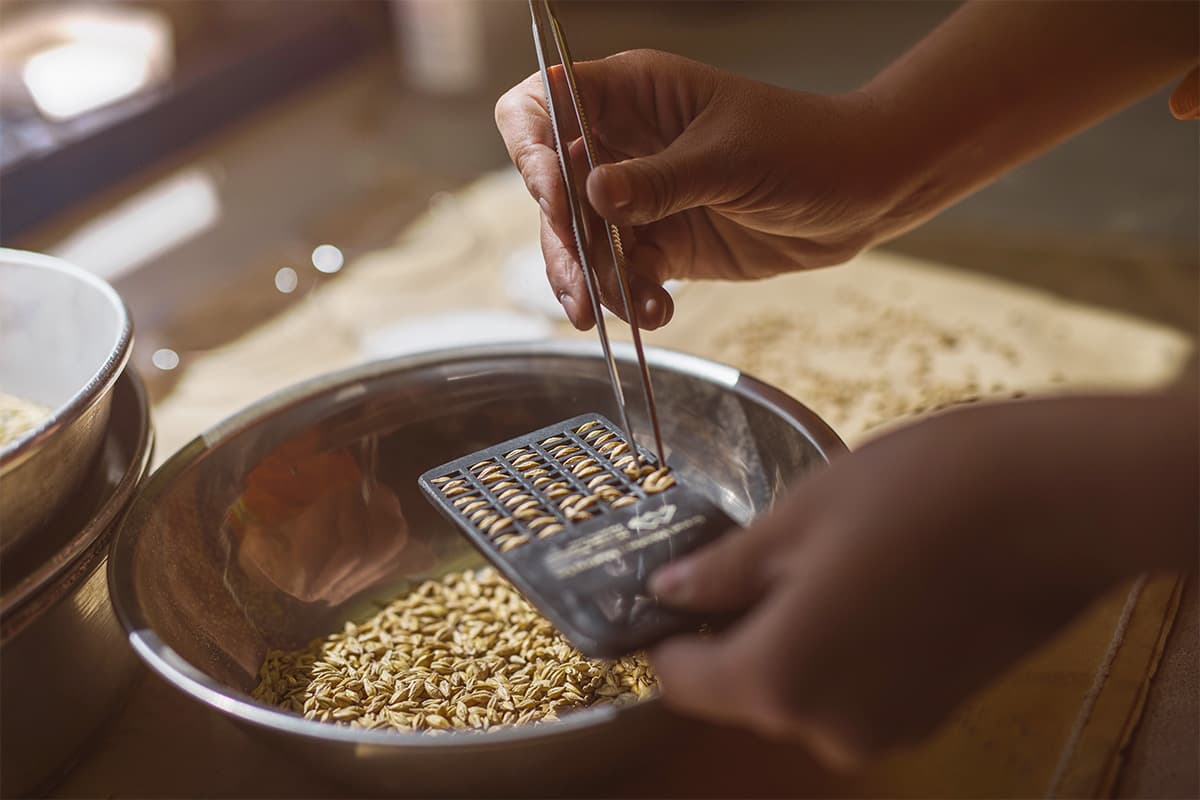
The stats that come with your malt can be a challenge to decipher, but cracking that code can lead to better, more consistent beer. From brewers and maltsters who know the scores, here are tips on how to make the best use of them in your brewery.
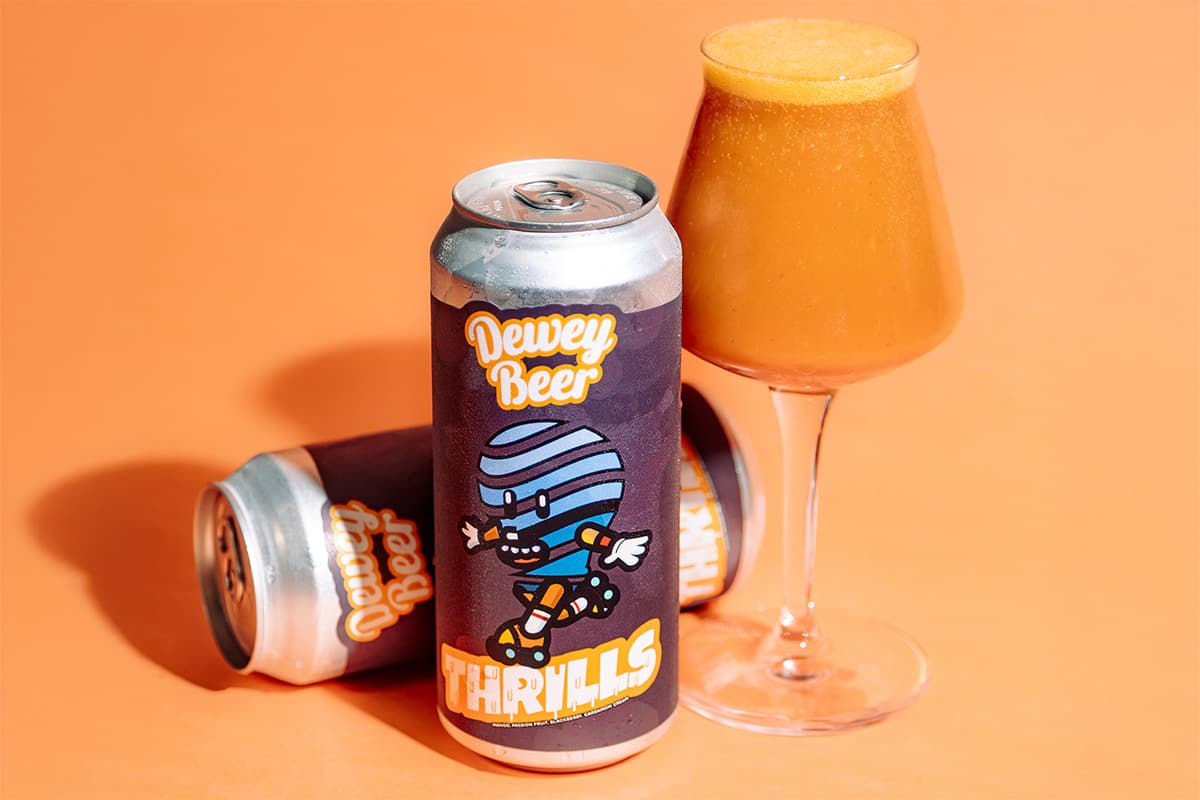
From pandan to seaweed, there are certain flavors catching on with consumers. For breweries willing to experiment, it might be possible to capture some of that buzz.

We know that yeast strain and fermentation temperature are highly impactful on beer flavor, but there’s a more subtle variable that brewers often overlook: pitch rate.
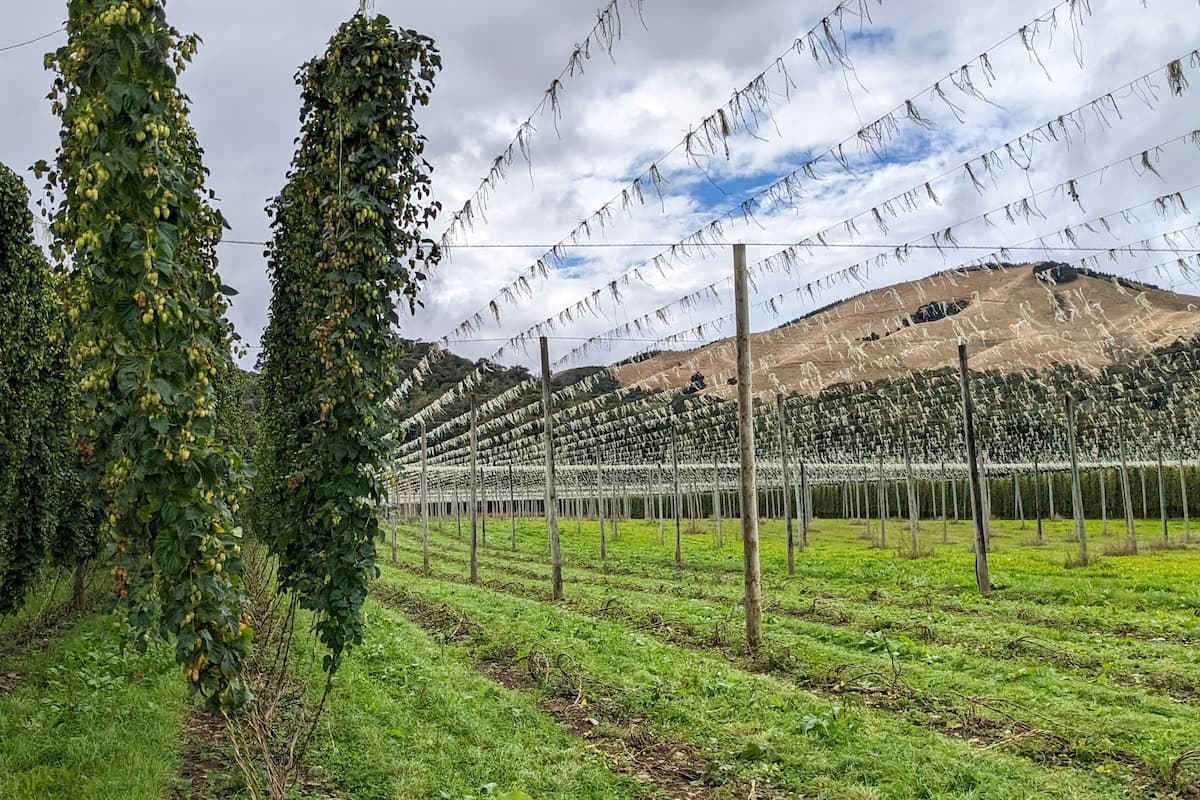
Backed by research, farmers are using harvest windows and hop maturity to enhance aroma and get brewers the profiles they want the most.
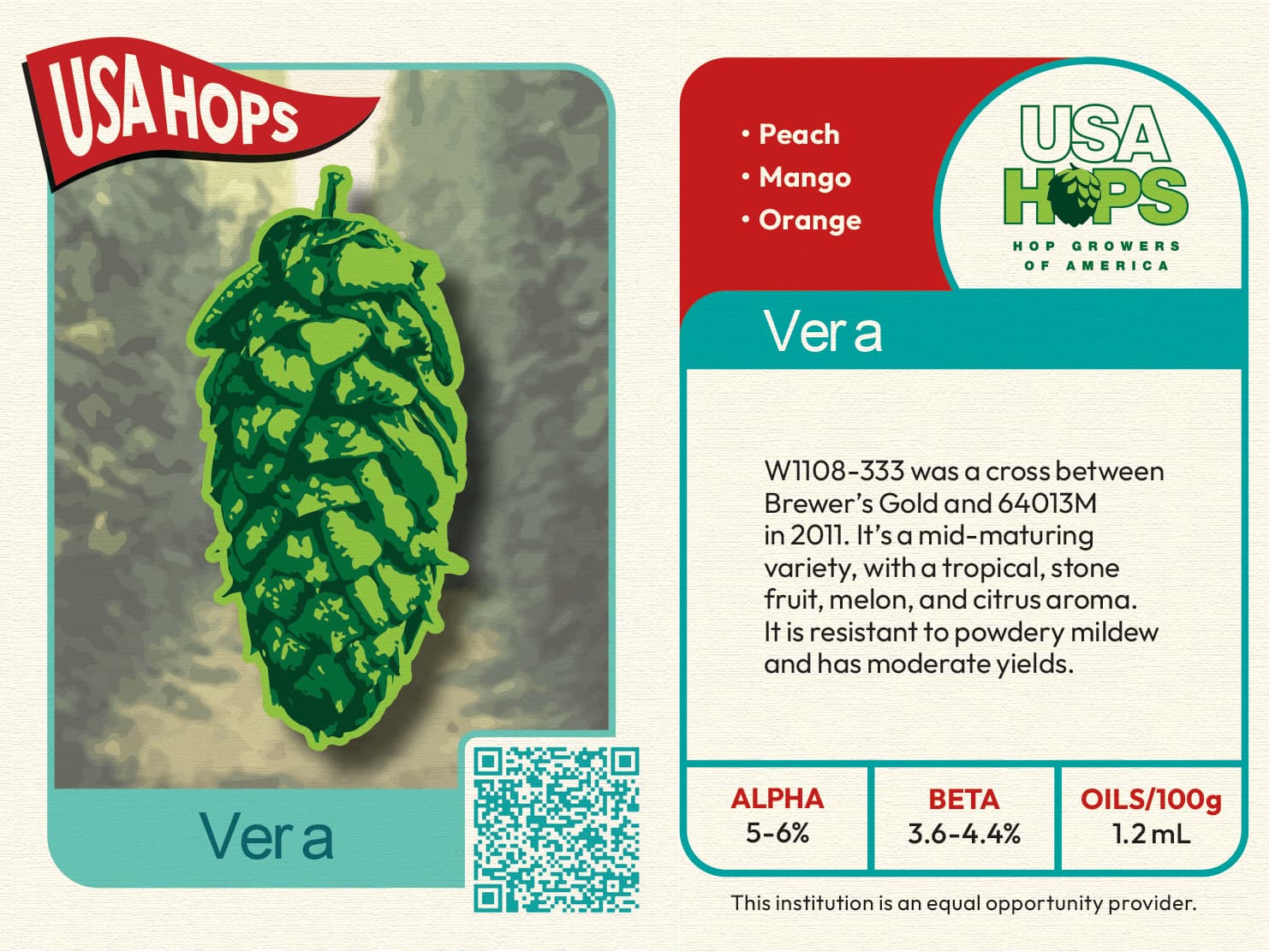
Public hops that any farmer can grow have their supporters, including the Brewers Association. Ultimately, however, the success of new varieties such as Vera and Thora will depend on demand from brewers.
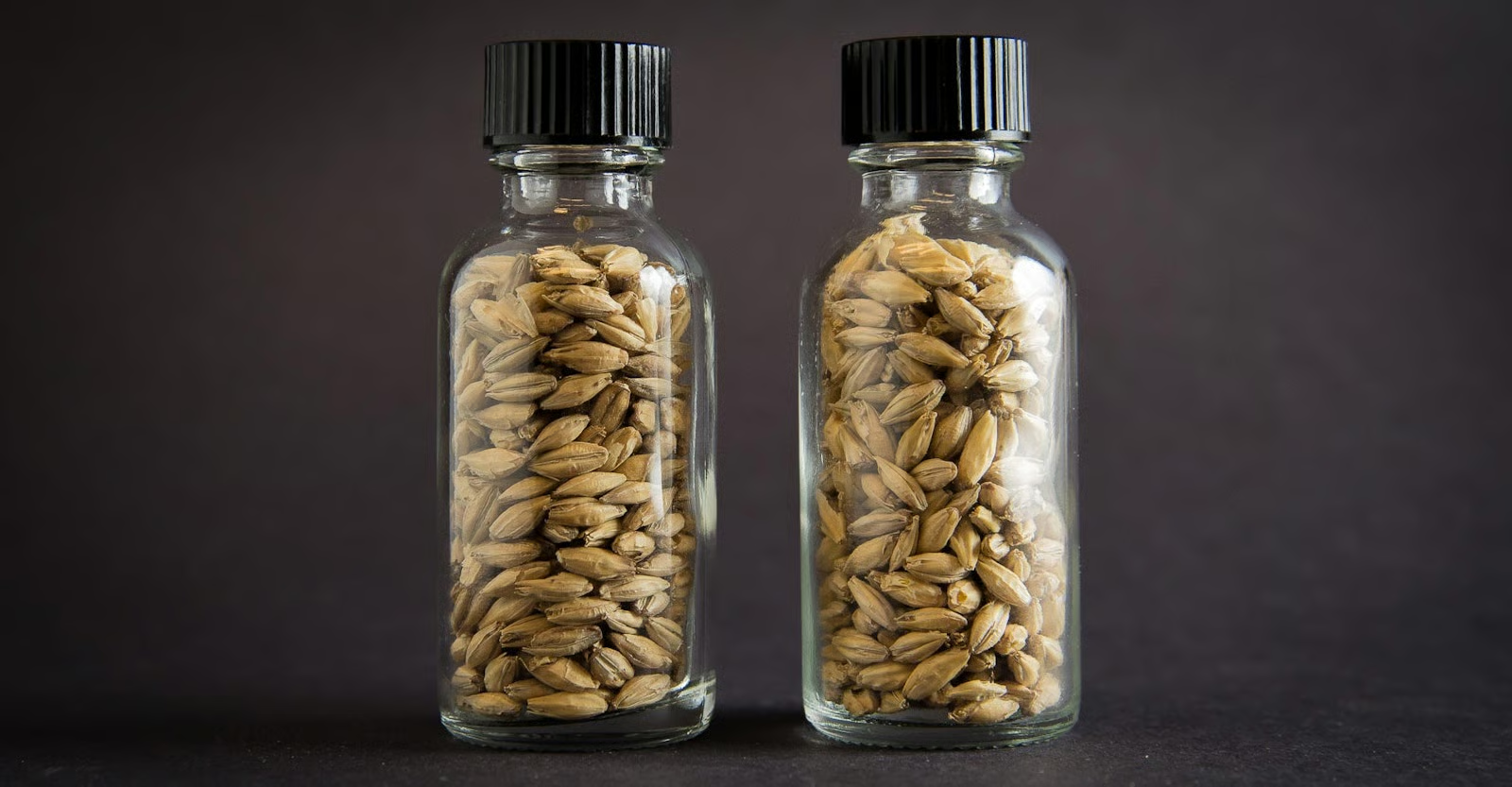
First developed by multinational lager breweries, hybrid malting barleys are now available that can extend shelf life while eliminating DMS and improving quality, among other possible benefits. Will smaller breweries find a use for them?
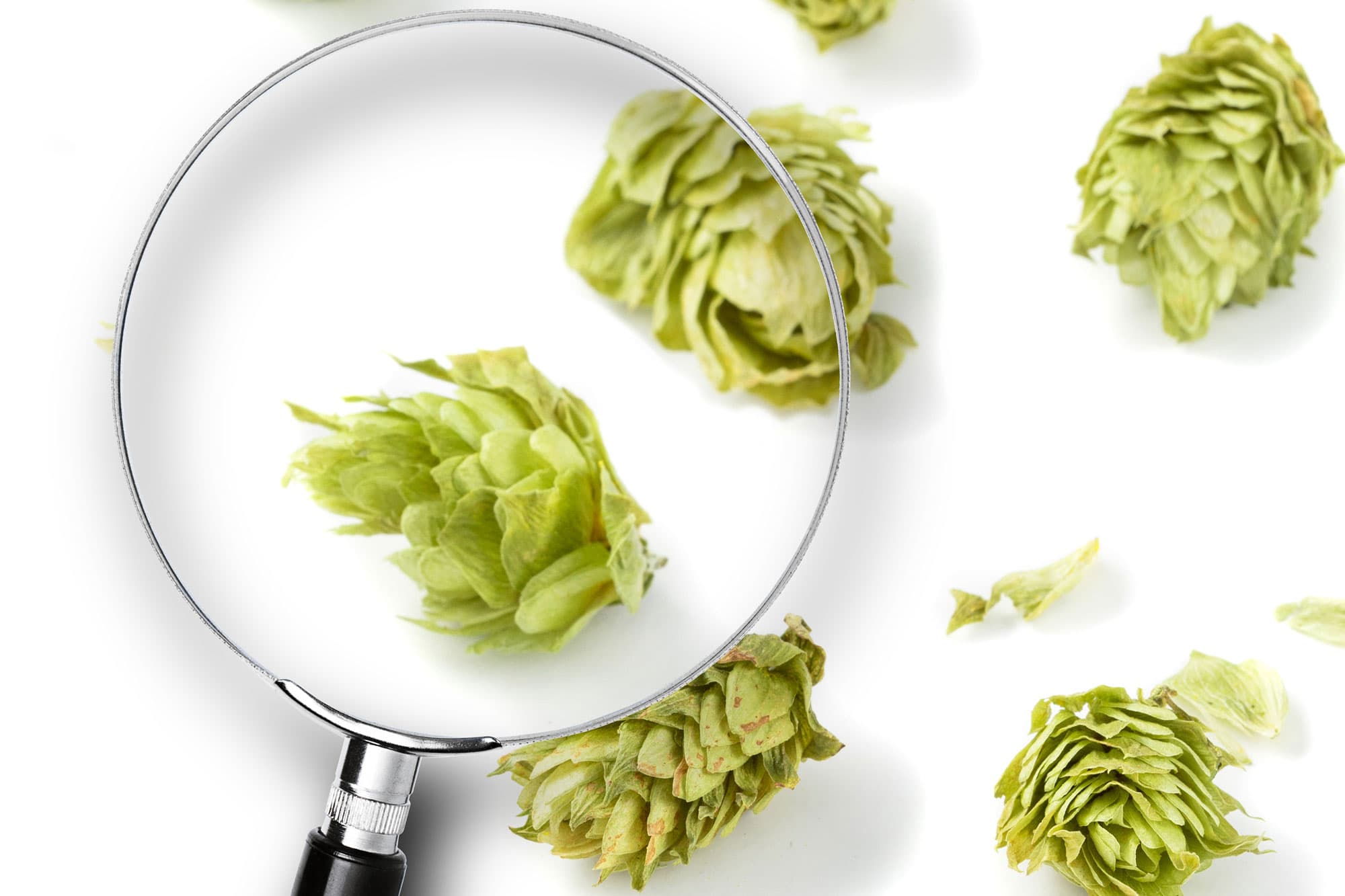
In today’s hop-forward beers, whirlpool additions contribute many of the IBUs—yet the results are less clear-cut than adding to the boil. Research—some new, some not so new—may provide direction.
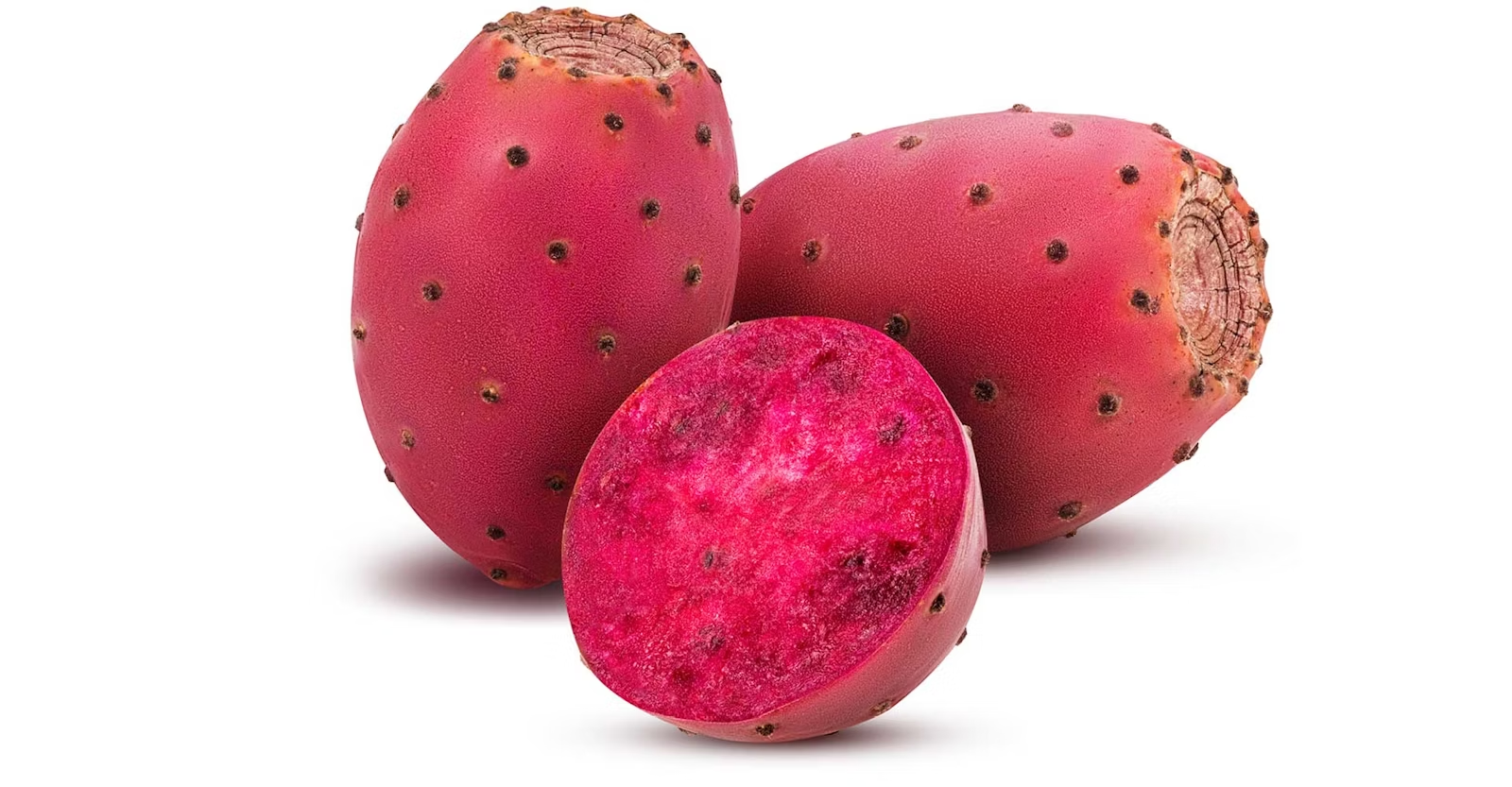
Getting label approval for beers that include certain ingredients should be a simpler process after the addition of two dozen items to a list of those exempt from formula requirements.

Beer is already made from plants, and foraging for local flavor is nothing new to terroir-focused breweries. So, what does it mean to brew with botanicals—and could your brewery capitalize on the trend?
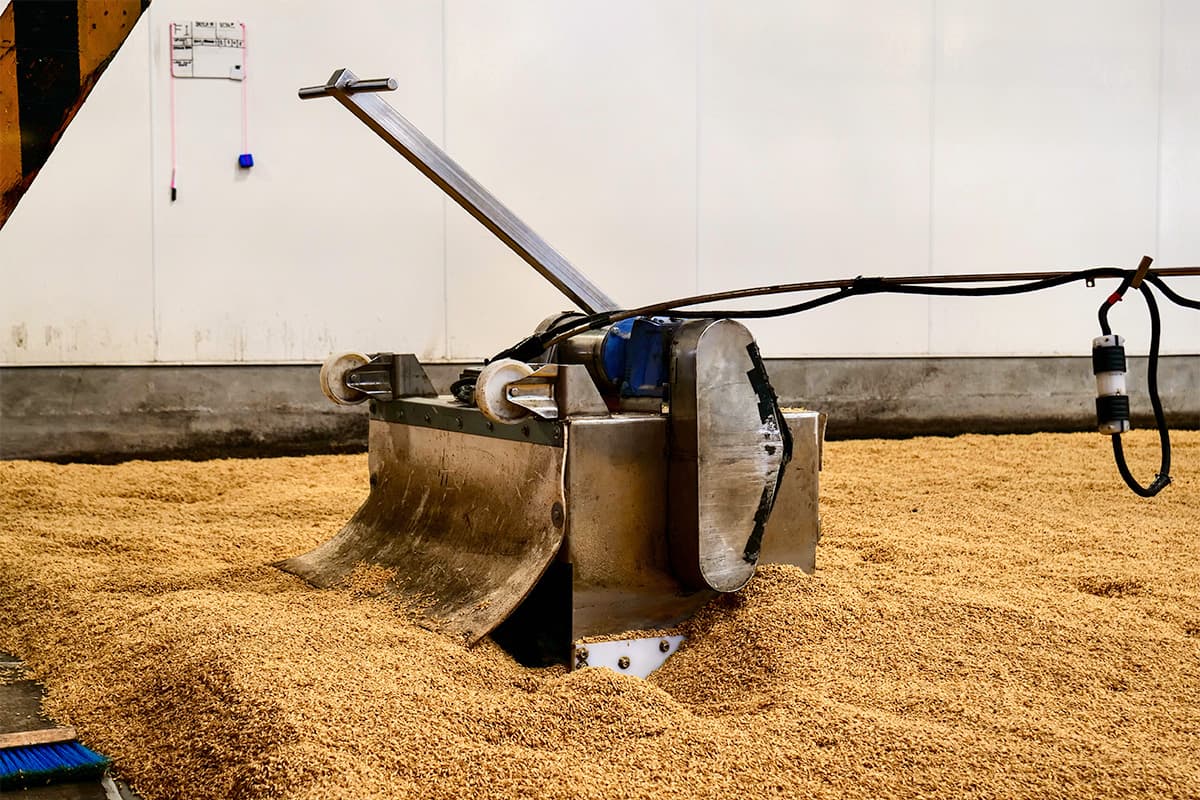
Could floor-malted barley provide an edge for your beers? It has old-fashioned charm and its share of fans, even if its differences with pneumatic malt are relatively subtle. However, new research is beginning to explore what makes floor-malted barley different.
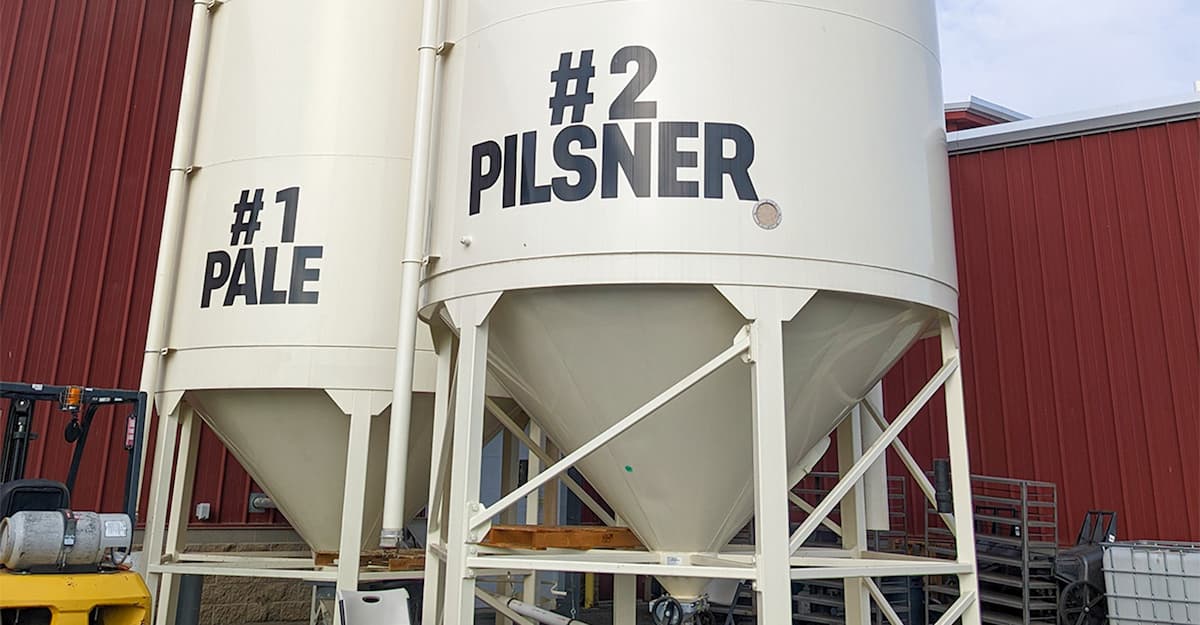
Whether it’s the various costs involved, location, conveyance, or keeping peace with the neighbors, here are some key considerations when it’s time for your brewery to bulk up.
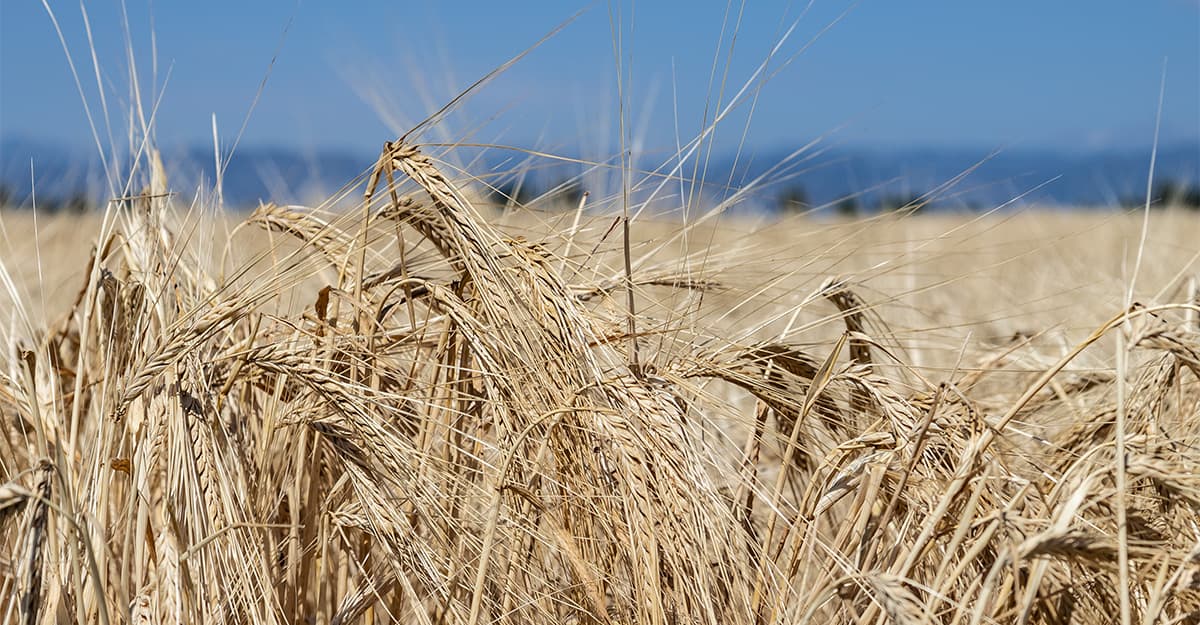
Despite recent troubles with input costs and supply chain, the vibes coming from the malt market seem relatively calm and upbeat. Hey, let’s not jinx it.
Browse every article filed under this tag.