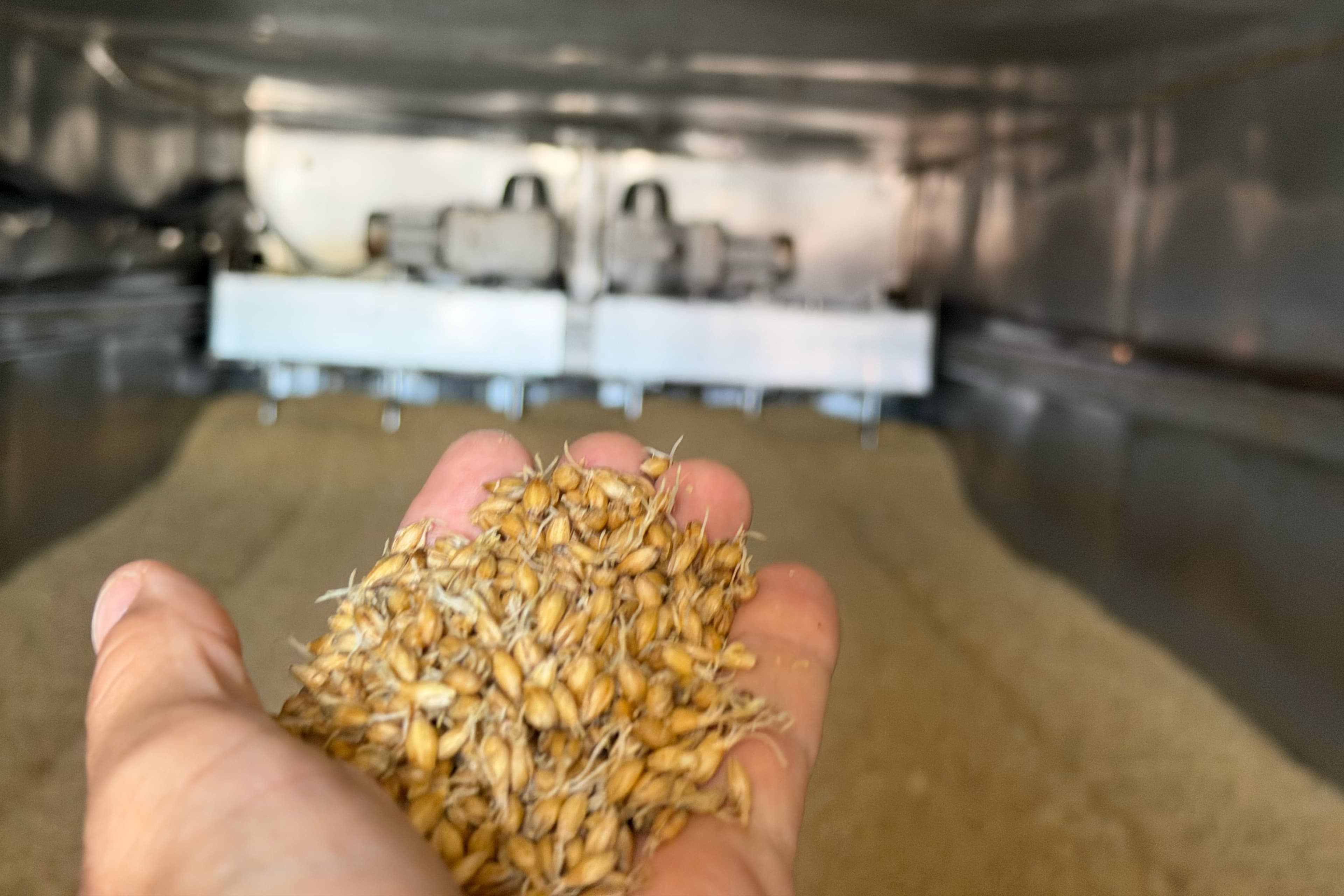
Malt Insider: Ultra-Pale Malts Are Ascendant
Industry All Access
Ever-paler malts are becoming increasingly popular and important to the modern brewer, and the reasons go well beyond color.
By Ryan Pachmayer

38 articles in this category
Ever-paler malts are becoming increasingly popular and important to the modern brewer, and the reasons go well beyond color.
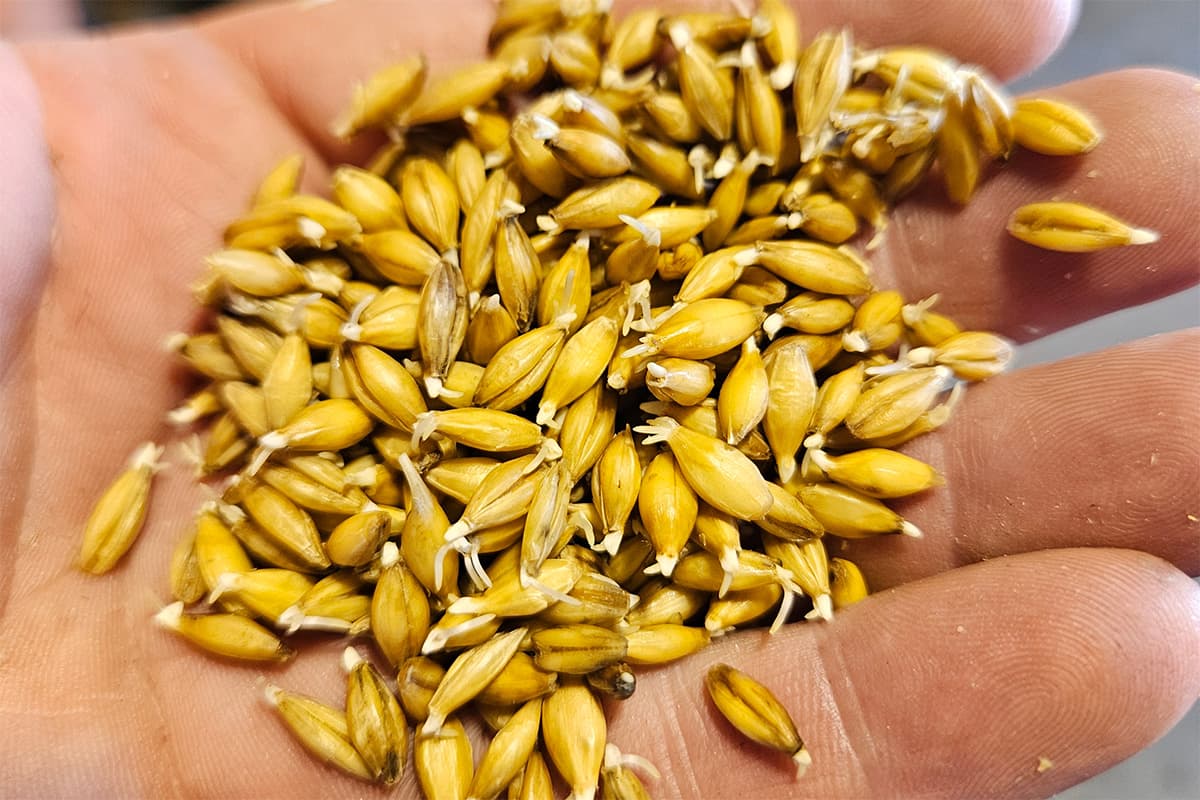
Once seen as a luxurious adventure—with high prices and inconsistent quality—local malts with fresh, unique flavors are winning over some brewers, even as the costs of imported malts rise.
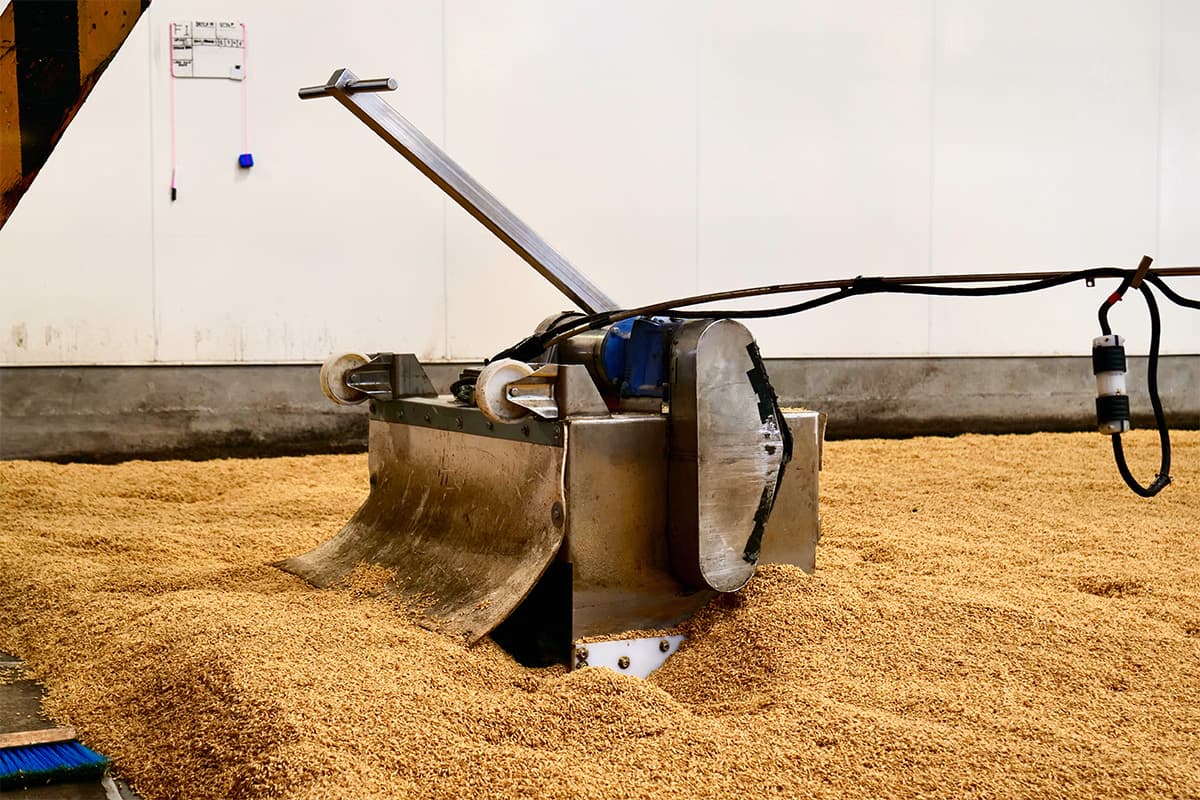
A new category in the 2026 Great American Beer Festival competition aims to raise the profile of craft maltsters and their offerings. Here’s what the malt-minded pros suggest for brewing up an entry—and it starts with collaboration.
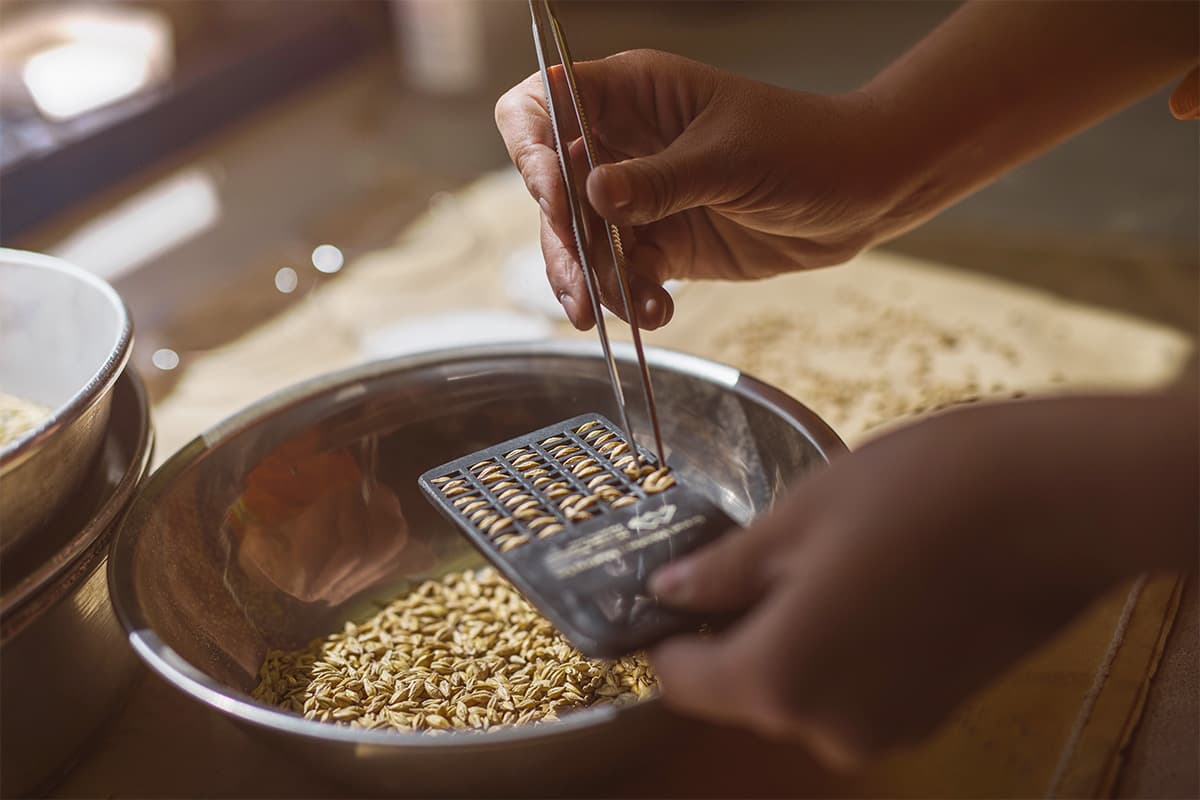
The stats that come with your malt can be a challenge to decipher, but cracking that code can lead to better, more consistent beer. From brewers and maltsters who know the scores, here are tips on how to make the best use of them in your brewery.
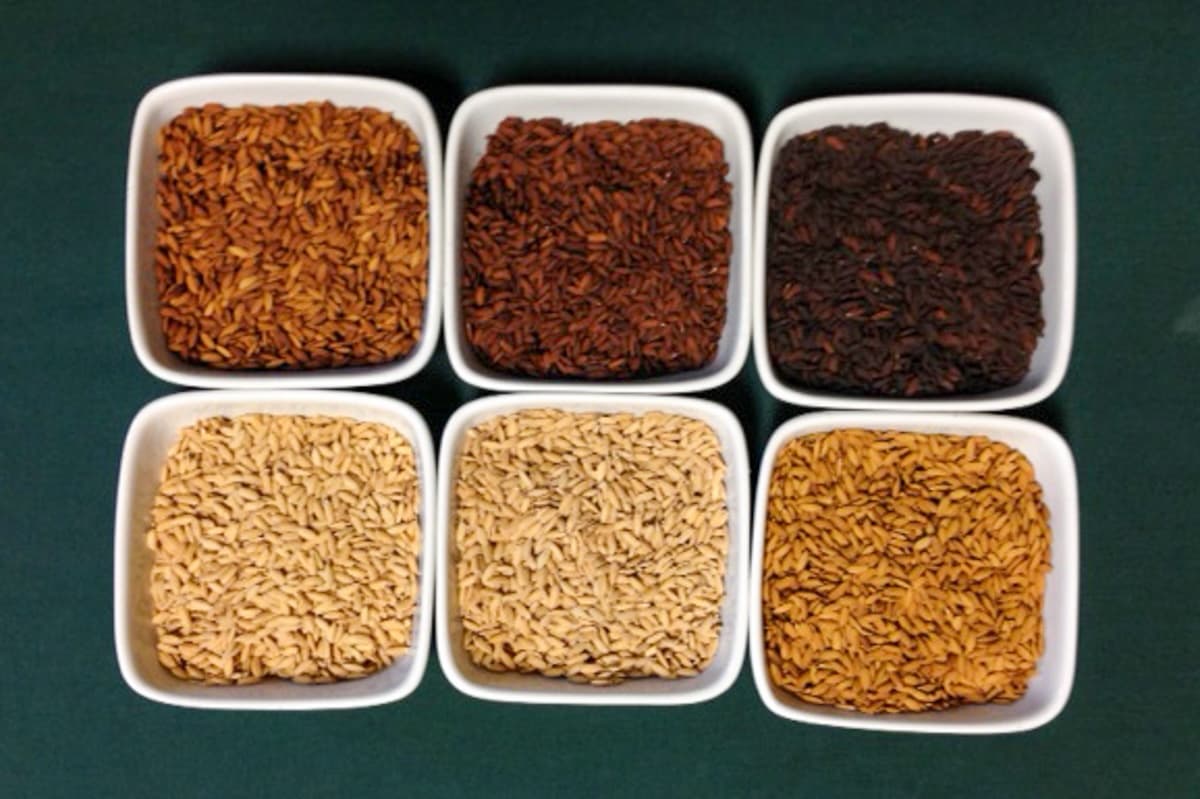
Jim Eckert of California’s Eckert Malting & Brewing—the world’s first maltster to focus on rice—discusses how he got into malting rice and the unique challenges of his niche.
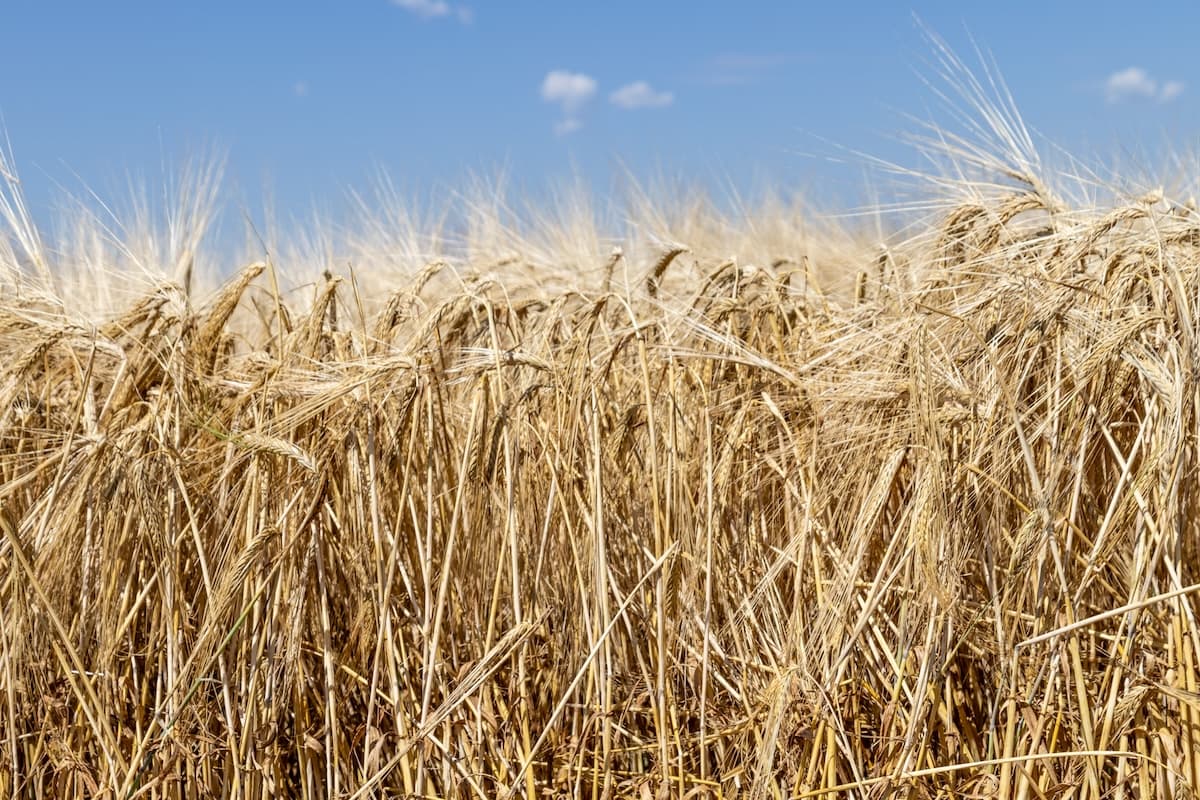
As the climate changes, so does our malt. With the weather in barley-growing regions more prone to extremes than it once was, brewers are often facing lower efficiencies, higher finishing gravities, or stubborn lauters—unless they’re ready to adjust.
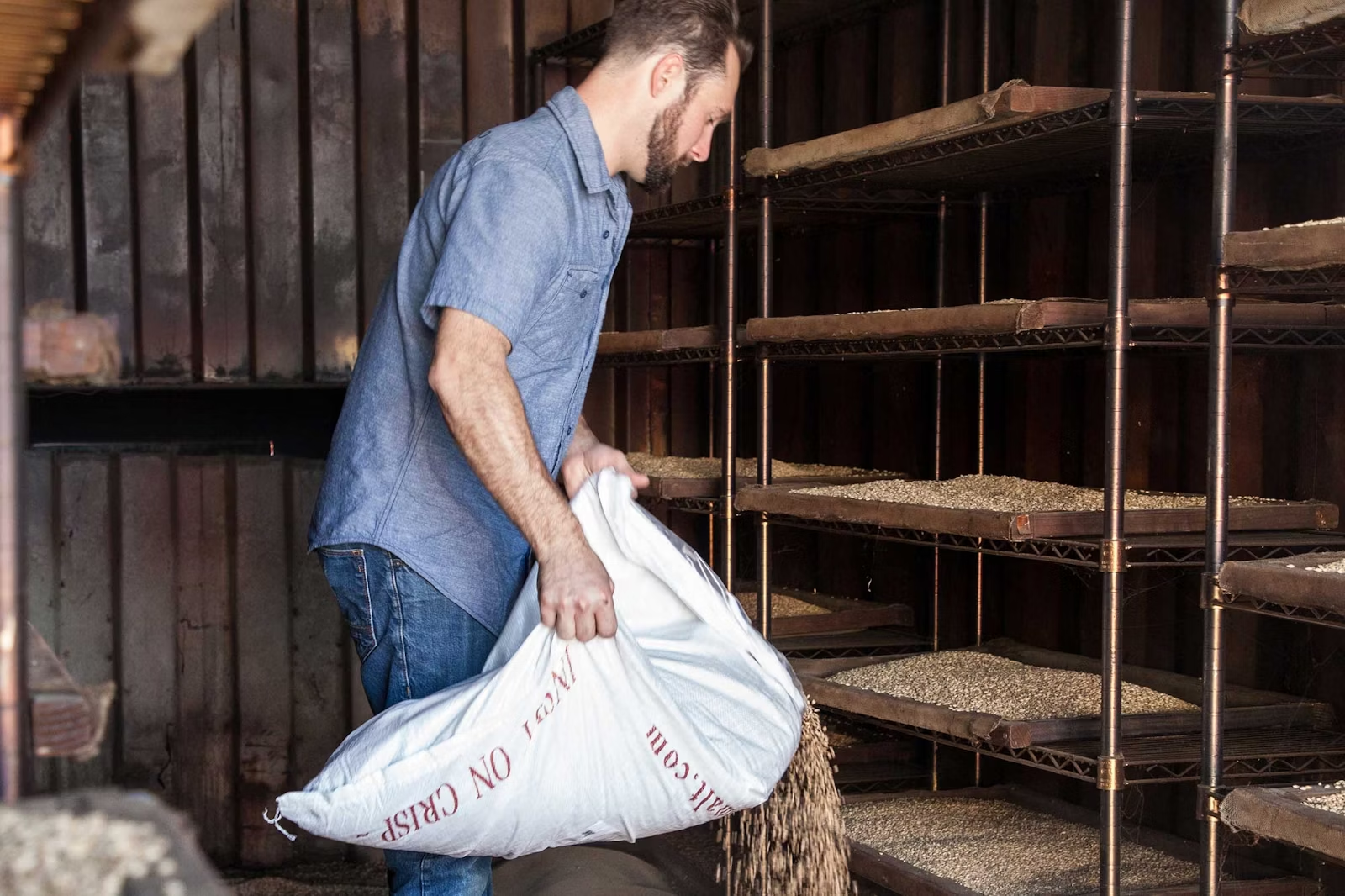
Amid craft lager’s surge, smaller maltsters are sending up signals for an unlikely trend, producing small batches of unusual smoked malts made with a variety of woods. Brewers dig it, too—but will drinkers follow?
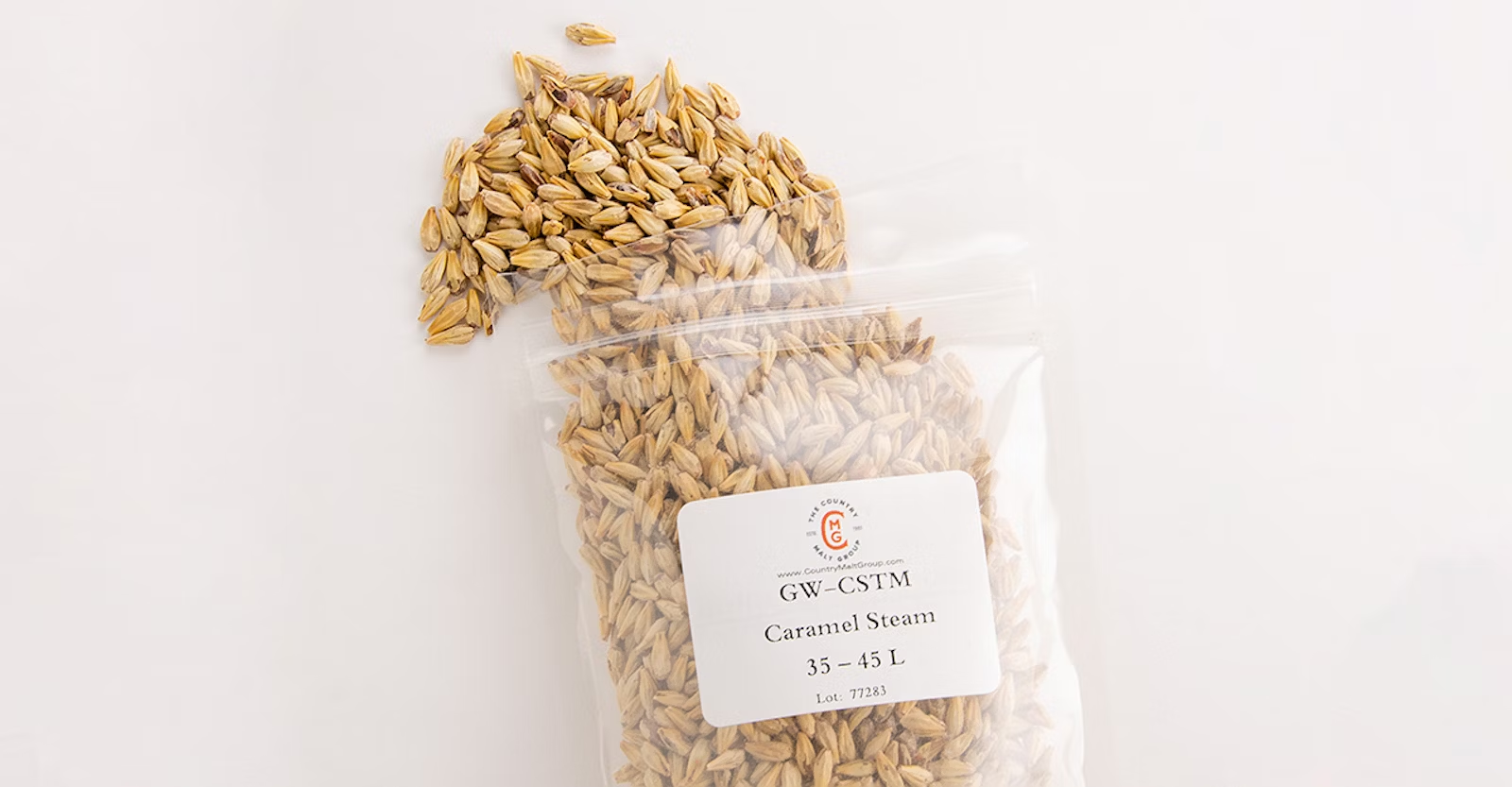
When it comes to malt these days, brewers are spoiled for choice—and yet maltsters continue to try new things, working to release products that satisfy modern brewhouse demands … and, maybe, find a place in your next recipe.
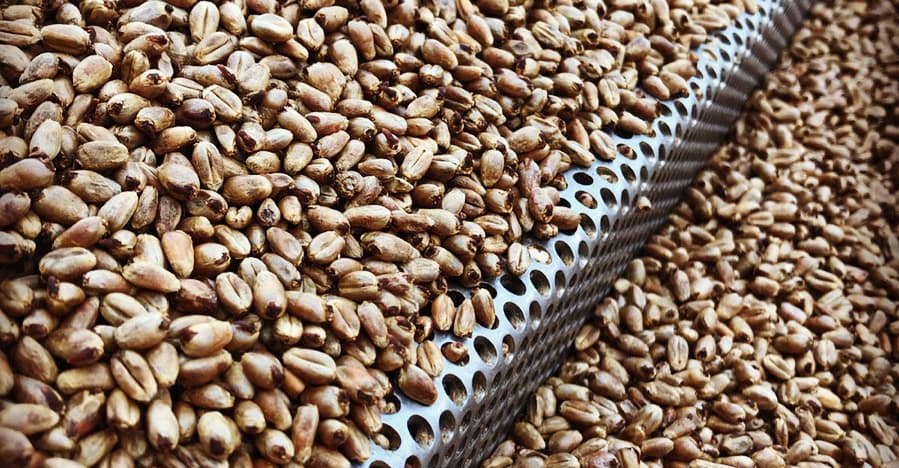
Developing a malt especially for your brewery takes some planning, but there are potential benefits—such as nailing a target flavor within your process, making beer from truly local grain … or just the fun of finding out what it tastes like.
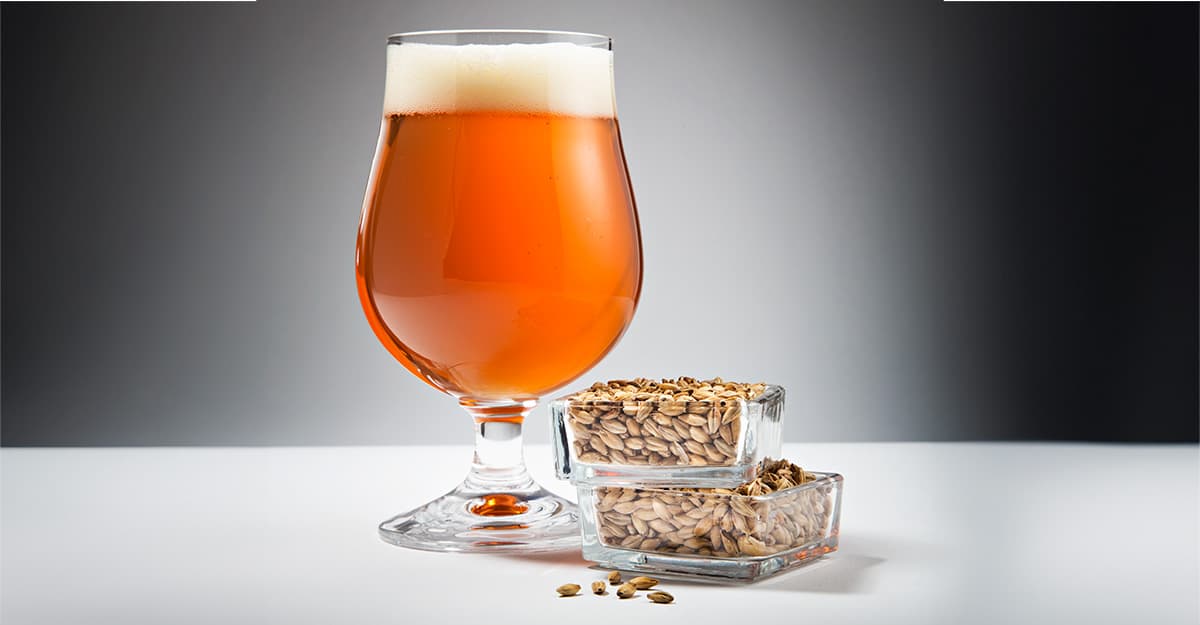
In IPAs, hops do the talking, but building the right platform gives them the best chance to have their say. Here, a few award-winning brewers share advice on creating that malt base—especially for the American and West Coast styles—plus, we look at a new base malt designed especially for IPA.
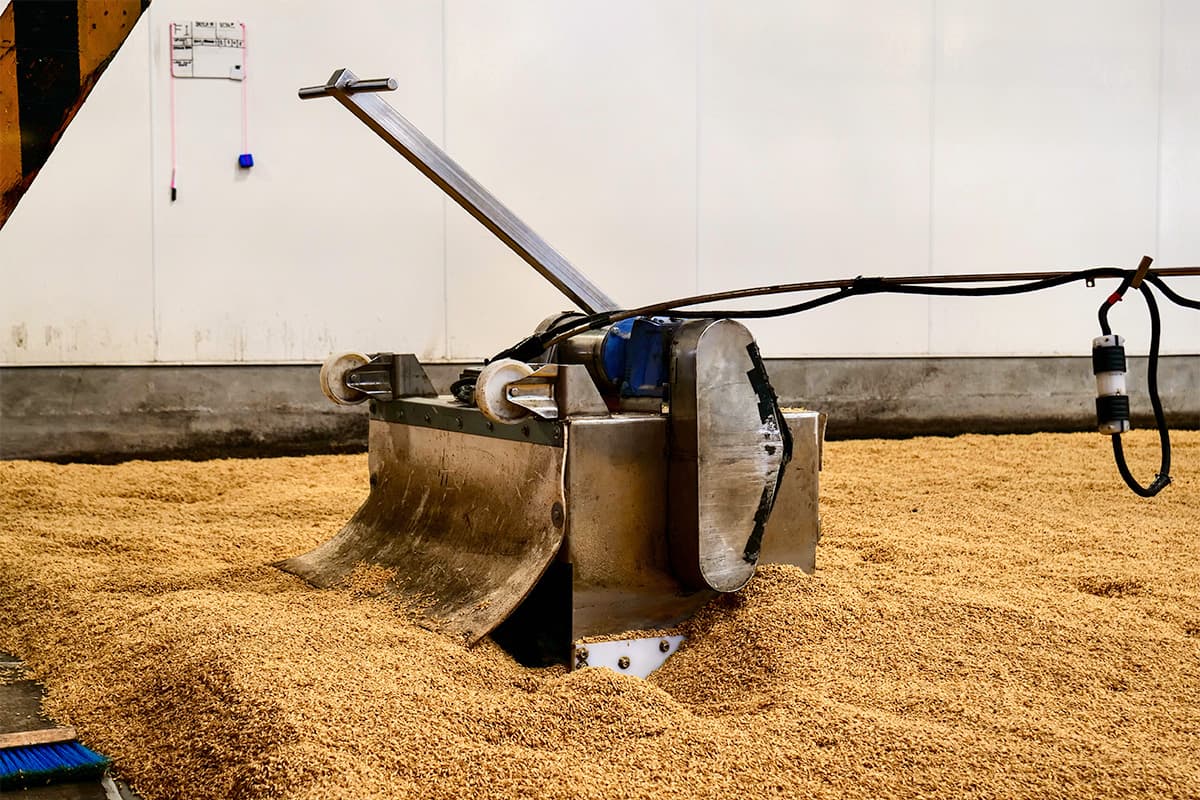
Could floor-malted barley provide an edge for your beers? It has old-fashioned charm and its share of fans, even if its differences with pneumatic malt are relatively subtle. However, new research is beginning to explore what makes floor-malted barley different.
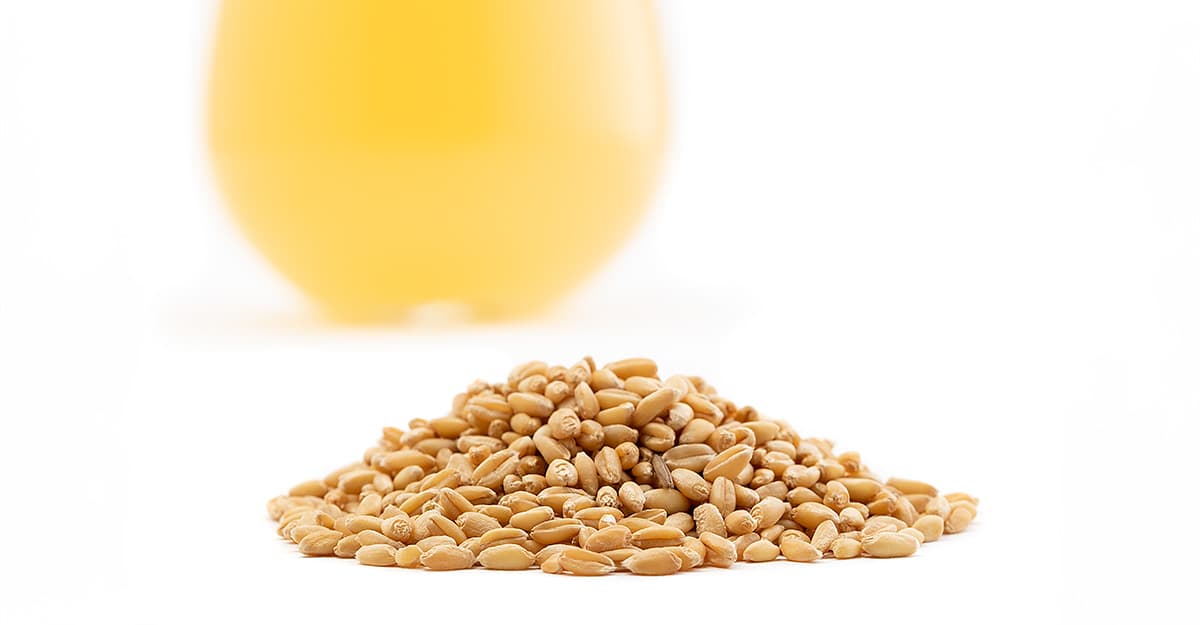
Going beyond barley into ancient grains can be a way to form stronger connections with local farmers, promote sustainable agriculture, and produce more distinctive beers.
In the battle against staling, understanding your malt’s free amino nitrogen content is a tactic worth deploying.
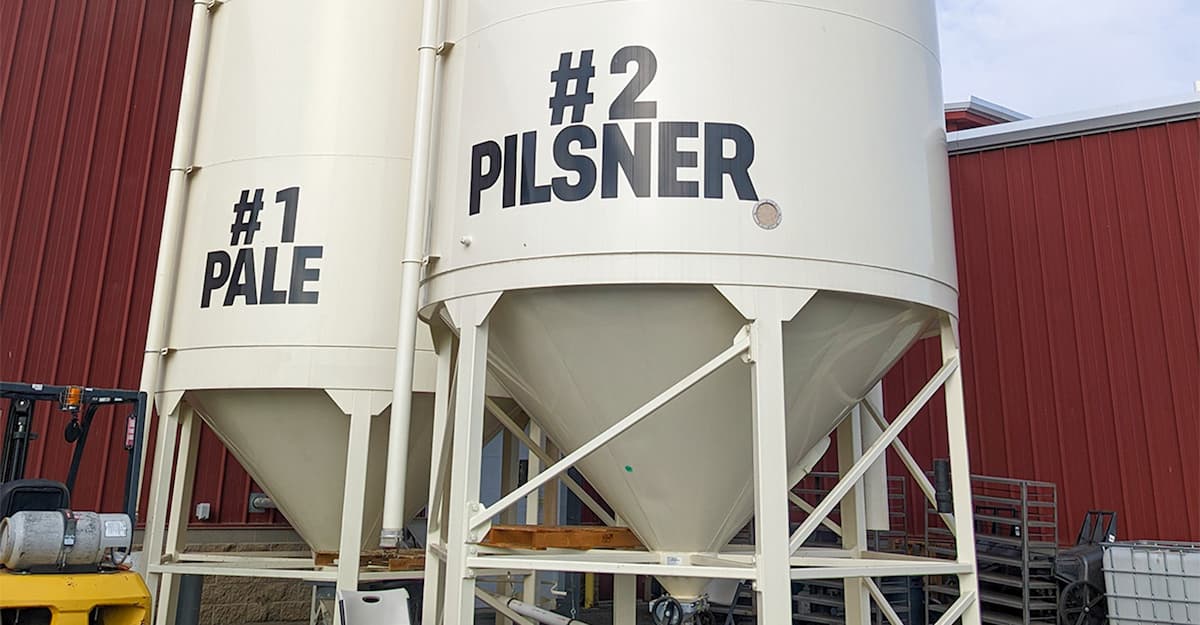
Whether it’s the various costs involved, location, conveyance, or keeping peace with the neighbors, here are some key considerations when it’s time for your brewery to bulk up.
Despite recent troubles with input costs and supply chain, the vibes coming from the malt market seem relatively calm and upbeat. Hey, let’s not jinx it.
It’s long been known that malt contains precursor compounds that can be unlocked via fermentation for bright, tropical-fruit aromas. Researchers are beginning to quantify those contributions, and brewers are putting them to work in the brewhouse.

There’s an exploratory movement among craft brewers to go beyond brewing with barley. The flavors coming out of this movement are delighting palates, helping to reduce environmental degradation, and promoting social justice.
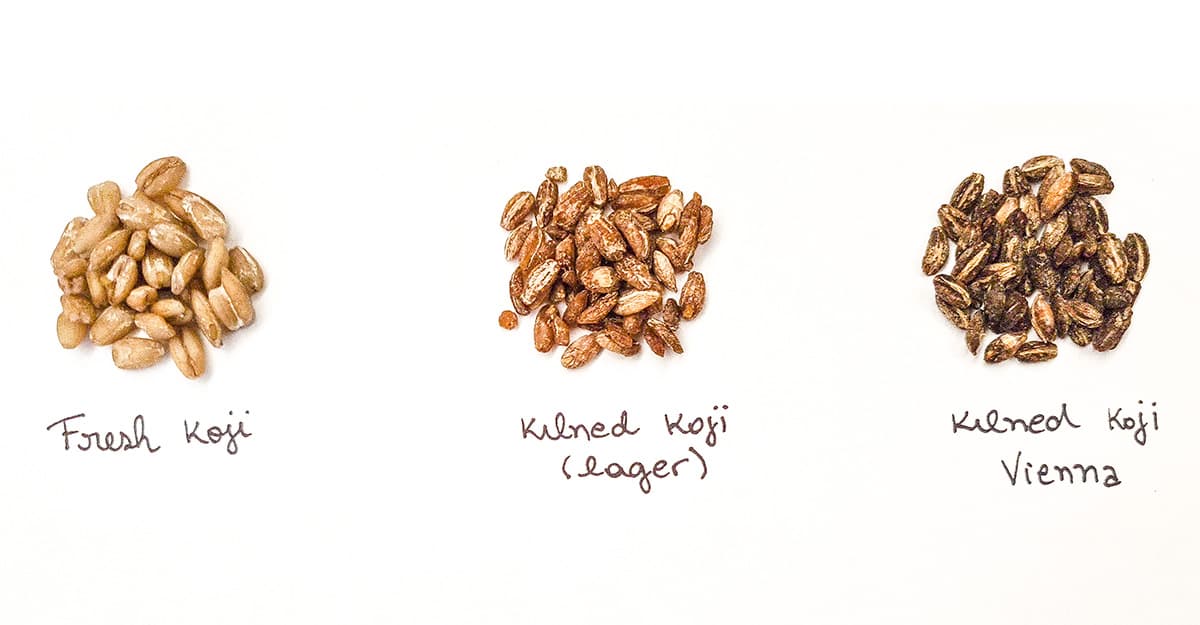
Could koji malt open new doors to flavor for creative brewers? Some researchers and a few breweries already are tinkering with the versatile molds responsible for sake, shōchū, and more.

While not without its costs, a mash filter press can dramatically increase efficiencies and lower costs. It can also open the door to some unusual beers that would be challenging or impossible with a typical lauter tun.
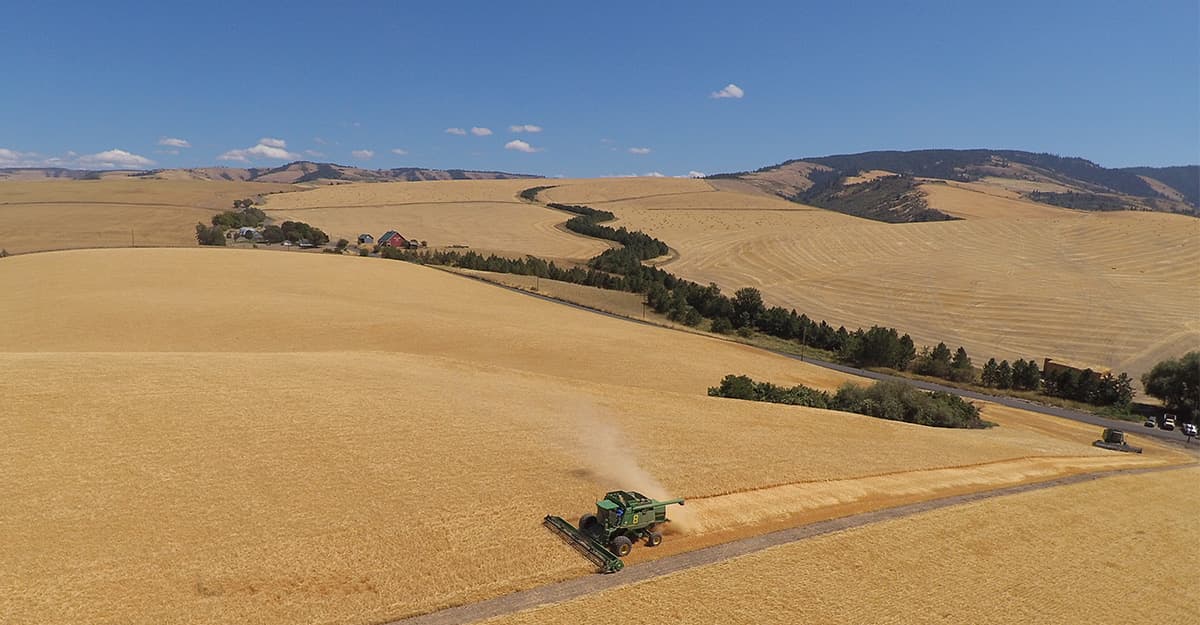
A poor harvest in North America last year is combining with hot weather and war in Europe to constrain supply and raise prices. However, there are reasons to be optimistic. Here’s what you need to know to stay on top of your malt supply.
Browse every article filed under this tag.