Brewing for Gold
There’s really no trick to doing well at competitions—just make flawless beer and enter it into the right category. So easy everybody can do it, right?
Showing 801-820 of 836 articles

There’s really no trick to doing well at competitions—just make flawless beer and enter it into the right category. So easy everybody can do it, right?

Independent distributors provide critical access to market for small breweries and help develop craft-beer culture.

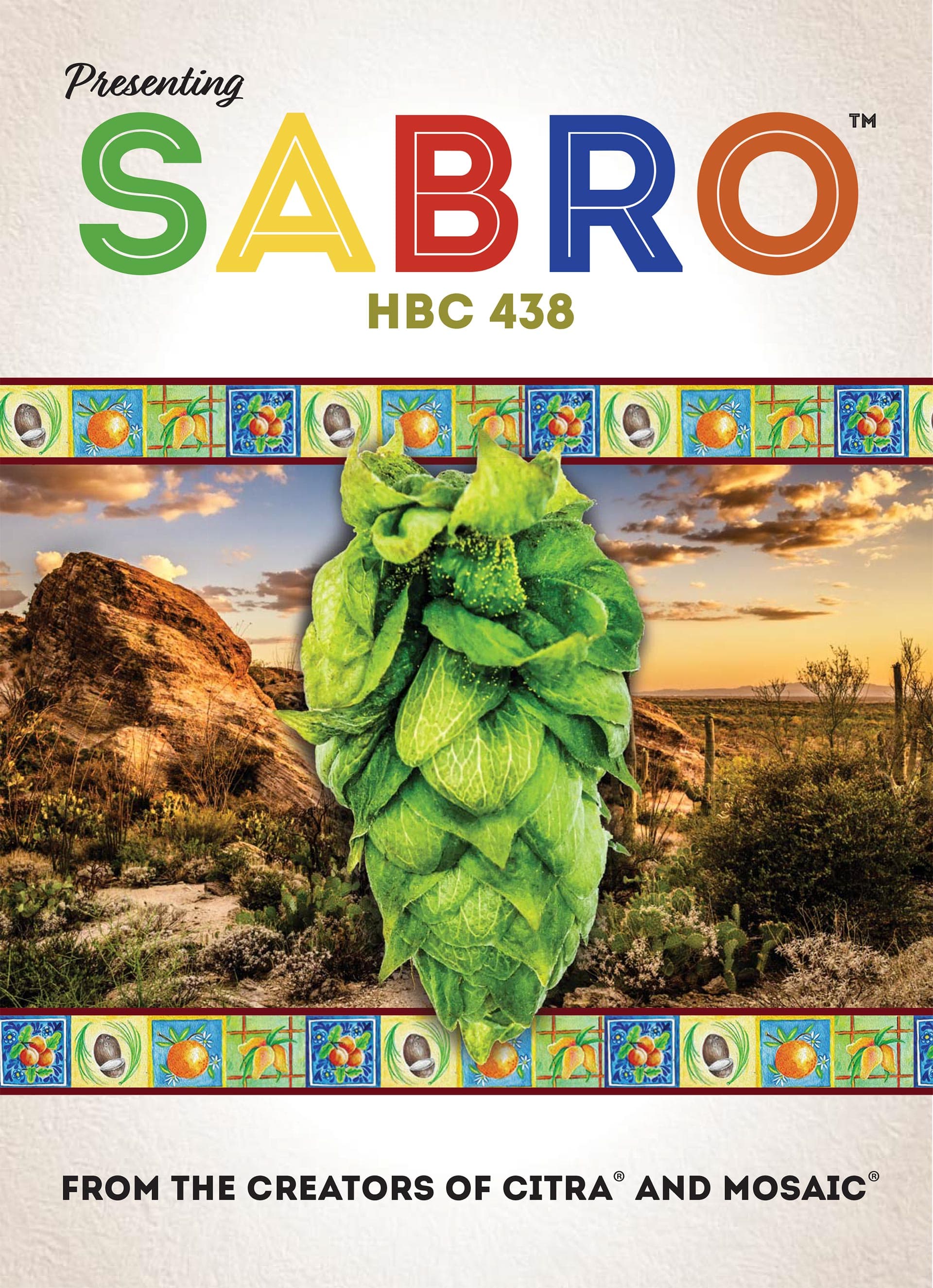
When breweries contract their hops usage at least three years in advance, it lets hops growers better project the varieties to grow and whether to expand the farms, helps prevent shortages or overages, and creates more stability in the hops market.

As taprooms continue to play a central role in the success of breweries large and small, some brewers are orienting their entire business model around a network of interconnected outlets.

There are areas all breweries should focus on in order to grow a healthy business. Here’s a look at how Seattle-based Fremont Brewing and Wyoming-based Melvin Brewing have managed growth, investment, capacity, and new markets.

While the term “brewpub” may once have described venues known more for their food, today’s leading edge brewpub operators are proving them to be a compelling outlet for creative expression in food and drink and a compelling business model.

A flurry of critical acclaim or a slew of medals can cause demand for a brewery’s beers to skyrocket overnight—but the stark light of day can reveal hidden cracks in the system. Here’s how three breweries have responded.

Positioning is crucial to setting your brewery apart and telling your story. Here, the consultants from Indianapolis-based CODO Design talk you through positioning your brewery—conceptually and then concretely.

Both under-served and over-saturated markets represent their own set of risks and opportunities. Here’s how some breweries have balanced the two in choosing where to locate.

Hiring employees is one of the most exciting—and complex—aspects of operating a brewery. Here’s an overview of the issues to consider when thinking about how to compensate the range of employees who will be working for your company.

We tapped the expertise of craft-brewery owners from throughout the country to share what’s worked as they’ve grown from start-up into a successful business.

Several themes kept bubbling up across all of our conversations with the brewers and brewery owners—change, quality, and growth.

Many fast-growing breweries looking for a way to package their beer without the capital expense of purchasing their own packaging line have embraced the flexibility of a mobile beer-canning service.

A mash filter can increase brewhouse efficiency greatly, giving brewers much more room to get more creative with their recipes. Here, we sat down with Brouwerij West to learn more.

There’s a ton of good beer out there, which is a challenge for breweries struggling to forge lasting relationships with consumers. Three marketing pros weigh in on a few ways breweries can rise above the fray and connect with customers.

Here are five questions that every craft-beer brand should ask before undertaking the process of branding and building a beer business as well as some basic cost ranges for brand development.

Smog City Brewing Founder and Brewmaster Jonathan Porter uses a steam generator for many tasks around the brewery, from deep-cleaning barrels to dealing with pesky floor drains and de-stickering kegs and other equipment.

Veteran brewers are claiming new territory in a crowded craft-beer landscape by launching buzzworthy breweries of their own. They’d just better have the backing and business acumen to make it float.

Hayley Wells outlines four primary areas in which to allocate your limited legal dollars.

When it comes to the wild unpredictability of making sour ales, blending can bring a beer into balance and create a product that exceeds the sum of its parts.