Turning the Yeast-Pitch Dial to Better Achieve Target Flavor
ALL ACCESSWe know that yeast strain and fermentation temperature are highly impactful on beer flavor, but there’s a more subtle variable that brewers often overlook: pitch rate.
25 articles in this category

We know that yeast strain and fermentation temperature are highly impactful on beer flavor, but there’s a more subtle variable that brewers often overlook: pitch rate.

Special maltose-negative yeast strains offer an accessible route to nonalcoholic beer with a low cost of entry. While pitching the yeast is easy, however, dialing in a tasty NA product demands iteration and a careful process.

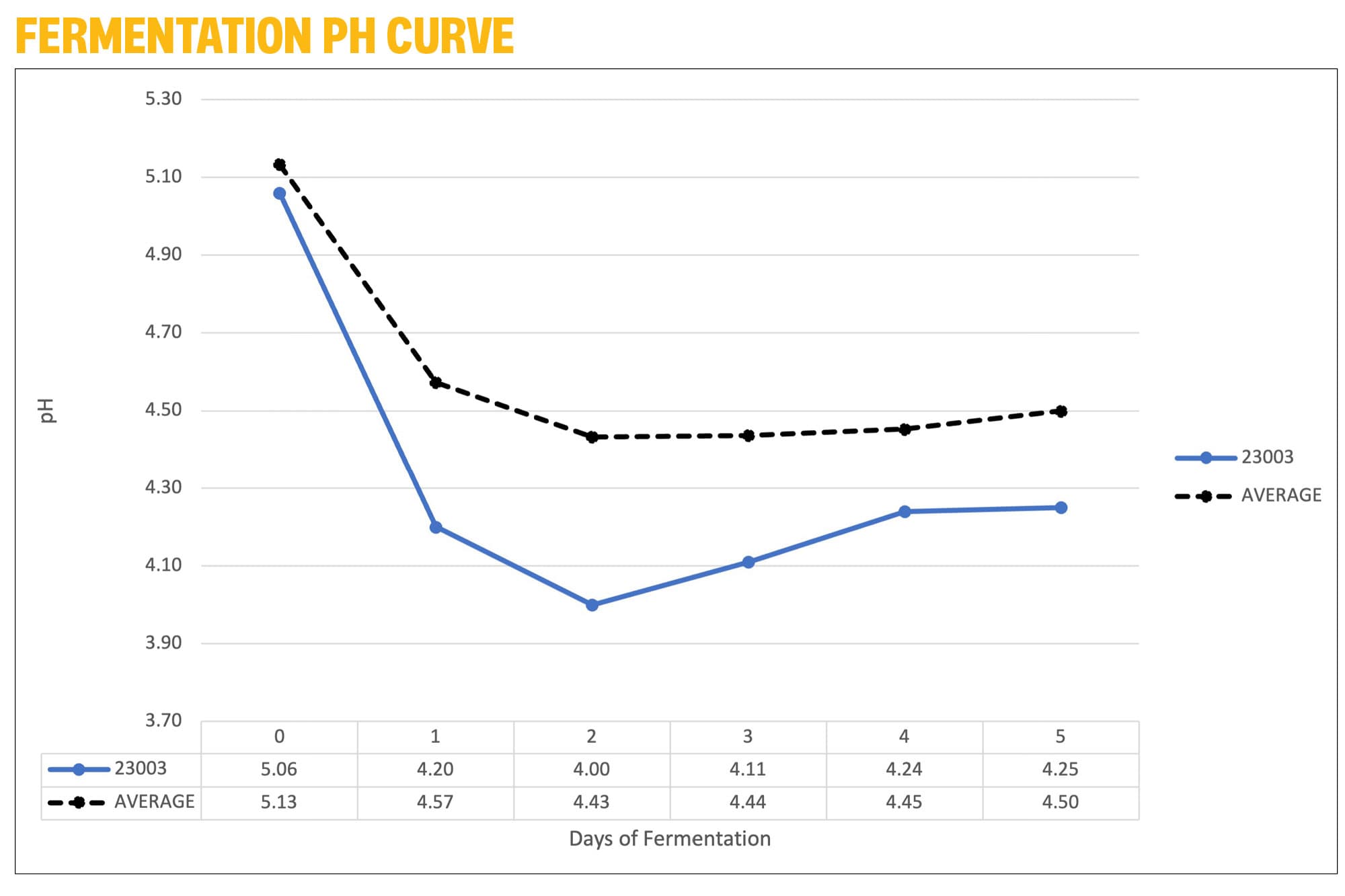
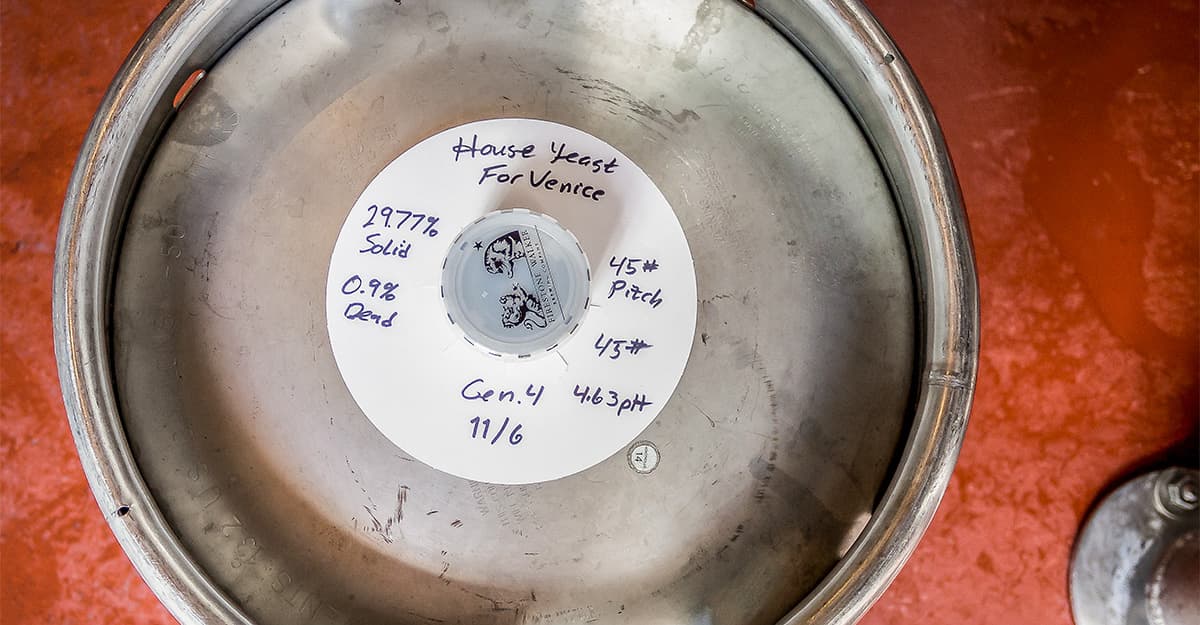
Many smaller breweries lack the resources to perform regular cell counts on their yeast pitches or slurries. Luckily, yeast share some of their secrets with us via pH values, and that can be an easy way to check on their health. Here’s what to know.

Researchers and yeast labs are looking closer at whether yeast-killing yeast—such as those that snuff out diastatic strains, preventing cross-contamination—may have broader applications in brewing.

In hard seltzers and other FMBs, sulfur as an off-flavor can be an even smellier obstacle than it is in beer. Here’s how to avoid it.

One way that yeast labs are developing new strains is a method called adaptive lab evolution, which avoids genetic modification while aiming for specific traits sought by brewers—such as greater tolerance to alcohol, or to terpenes. Here’s how it works.

Recent research into a handful of near-forgotten yeast strains reveals the potential for more distinctive hop-forward lagers.

Are common misconceptions contaminating your cellar? We asked the yeast labs about what things brewers often get wrong. Here’s their advice.

Brewers don’t make beer, yeast do—but they also make a lot more yeast. Here’s a look at some of the specialized gear that brewers use to propagate and ensure consistent pitches from batch to batch.

A method known to the largest lager brewers and many homebrewers remains relatively rare at small breweries—pressure fermentation. When properly applied, it can be an effective way to trim tank time and control the quality of cleaner-fermenting beers.

While we have a plethora of options for ale yeast, lager strains have been few and relatively similar. That’s already changing thanks to recent research, and brewers who rethink lager may be the ones who stand out in a tightening market.

A recent release at California’s Firestone Walker may be a window into where IPA is headed, going for clarity and lean fermentation while borrowing hop-saturation hocus-pocus from the hazy grimoire. Brewmaster Matt Brynildson explains.

Happy yeast make better beer and a stronger brewing business. Here are some tips from the yeast whisperers to maximize your fermentations and lock in greater consistency.

For a smaller brewery ready to improve data collection and quality control, the idea of adding a lab or dedicated staff may seem out of reach. However, there are real steps that any brewery can take to help ensure quality—and many cost little or nothing.

Labs and brewers are only beginning to discover the potential benefits of bioengineered yeast strains, from improving the flavor and quality of the beer to quicker turnaround time and potential cost savings.

What does “local” taste like? Ask a microbe. From clean lagers to funky farmhouse ales, capturing yeast from your brewery’s backyard can lead to distinctive products that belong to their locale.

Is your small brewery ready for its own house yeast strain? Here are some key factors to consider, from sourcing it to keeping a close eye on it.

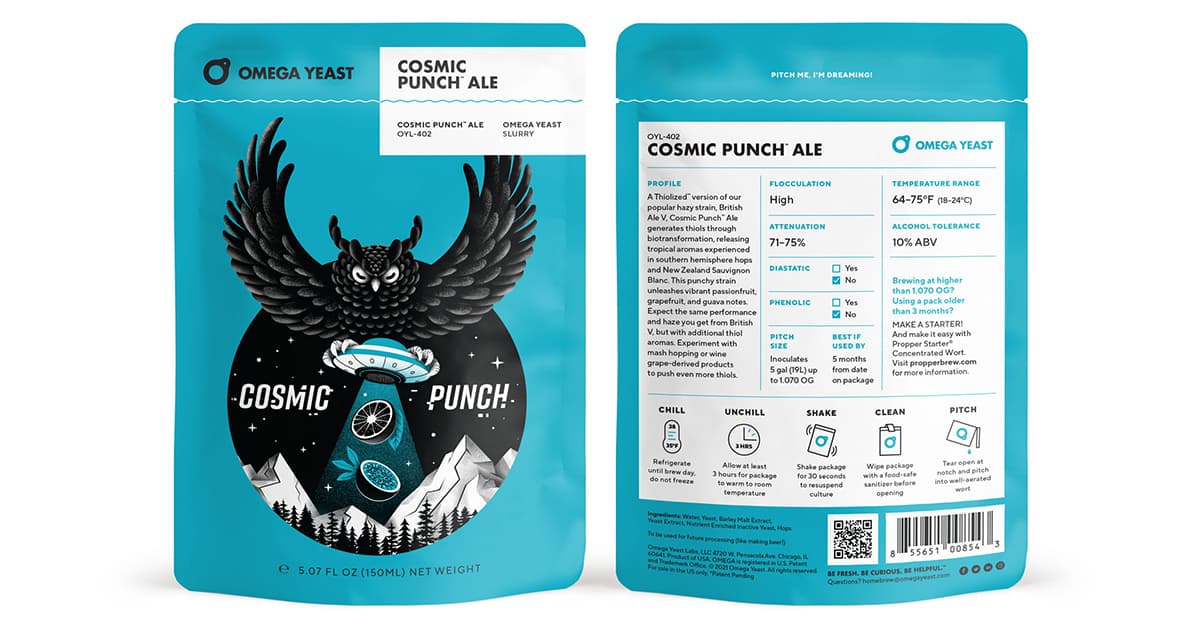
Brewers have become adept at squeezing more fruit flavors out of their hops as well as producing lush fruit beers that evoke tropical cocktails. However, there is another way to amplify those crowd-pleasing flavors in your beers.

Yeast labs are enjoying sales success with clean kveik strains, since their ability to ferment lager-like beers in much less time has obvious appeal. Besides reduced costs and climate impact, they are potential game-changers for hotter climates worldwide.

Determining whether a yeast is a contaminant is like deciding whether a plant in your garden is a weed—it all depends on whether you want it there. The insatiability of diastatic strains can be a danger if uninvited. Properly managed, it can be an asset.