Garrett Oliver Launches Scholarship Fund for Minority Brewers
The Brooklyn brewmaster says the Michael Jackson Foundation for Brewing and Distilling will award scholarships for people of color to attend technical courses and become industry leaders.
Showing 581-600 of 870 articles

The Brooklyn brewmaster says the Michael Jackson Foundation for Brewing and Distilling will award scholarships for people of color to attend technical courses and become industry leaders.

Plan your detours: This tiny, made-from-scratch southern Illinois brewery has become a destination by specializing in highly drinkable beers made from seasonal ingredients—such as mushrooms, tree bark, or leaves—that its duo find or grow themselves.

There are infinite ways to spend on newer, fancier, bigger, more automated, and more efficient brewhouse gear. But which upgrades get the best ROI? Here we delve into the decisions and upgrades that get better returns for breweries of varying sizes.

Times change, the market evolves, and your brewery's branding may not be the great fit it once was. In this excerpt from their book "Craft Beer, Rebranded," Isaac Arthur and Cody Fague of CODO Design address that big question of when to rebrand.

The sales numbers don’t lie: Many drinkers are looking for what they see as healthier ways to imbibe. To meet that demand, do you need new equipment? Can you use what you already have? Here are some specific techniques (and gear) to consider.

When Lexington, Kentucky-based West Sixth Brewing bought 125 acres in rural Franklin County, it learned that agriculture is only one part of the equation.

If you’re going to run a small brewery, there’s no rule that says you have to do it full-time. Here are the perspectives of two entrepreneurs who went pro without giving up their other careers.

There are no better margins on beer than for that sold over a brewery’s own bar. Yet, additional taprooms are not a recipe for instant profit. Adam Robbings, founder of Reuben’s Brews, explores the considerations to make when planning for expansion.

Brewing marches onward—but presentation sadly lags behind, failing to do the product justice. Greg Engert, beer director of the Neighborhood Restaurant Group, offers the latest tools of the trade to help bars and taprooms rise to the challenge.

Christian DeBenedetti once wrote about beer. Now he makes it—collecting wild yeast from bees and plums and using oak puncheons for primary fermentation. In Oregon’s Willamette Valley, the future of Wolves & People remains unwritten.

It started as a tweet, in response to the sort of anonymous personal attack that has become all too common online. Then it struck a chord, and it snowballed. That ball is still rolling.

The VP of global brewing for Canarchy (the parent company of Oskar Blues, Cigar City, and others) shares his thoughts on developing a thoughtful and open approach to the ingredient supply chain.

In a predominantly white and male industry, there are still some clear, common-sense avenues for getting more people—and more kinds of people—to apply for jobs and give your taproom a try.

In this era of stripped-down industrial taprooms and food trucks, Moody Tongue’s classy new Dining Room in Chicago offers $155 pairing menus. Behind the scenes: a brewer who thinks like a chef, and a chef who drinks like a brewer.

Be still, my beating heart: There are data to back up the oft-repeated (or is it oft-wished?) observation that lager may be the next big thing.

Anticipating fewer entries this year, the Great American Beer Festival competition has combined some style categories, reducing them from 107 to 90.

The alcohol delivery platform Drizly recently conducted a first-of-its kind survey of retailers in its network. Here are some of the more interesting findings.

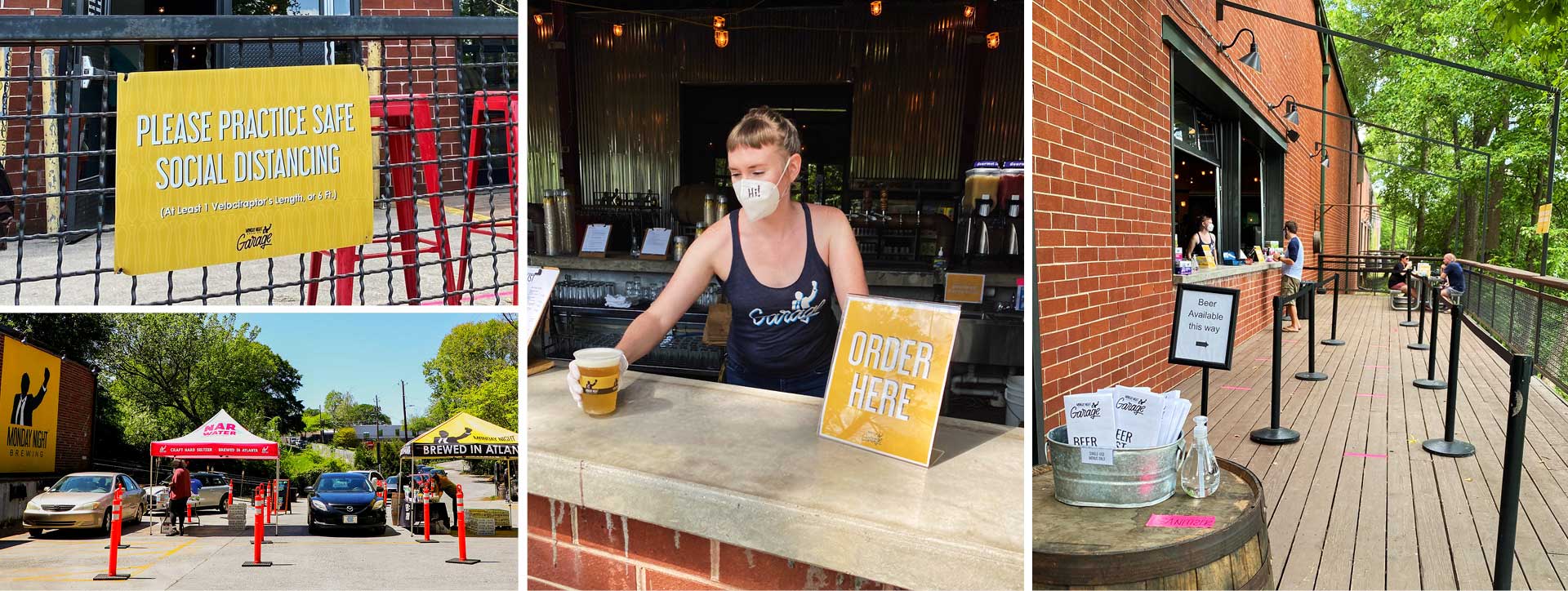
The Brewers Association releases a checklist for breweries preparing to reopen their doors. Meanwhile, amid lean times for the industry, the group announces layoffs and budget cuts.

Fundraising effort supports grants to help breweries in need cover their operational expenses.

This St. Louis brewery was making highly regarded beer, but that wasn’t enough to keep it going in a tightening market. Here, Founder and Brewer Kyle Kohlmorgen shares lessons learned in the getting to open—and then having to shut down—his dream.