What If Your Heart’s No Longer in It?
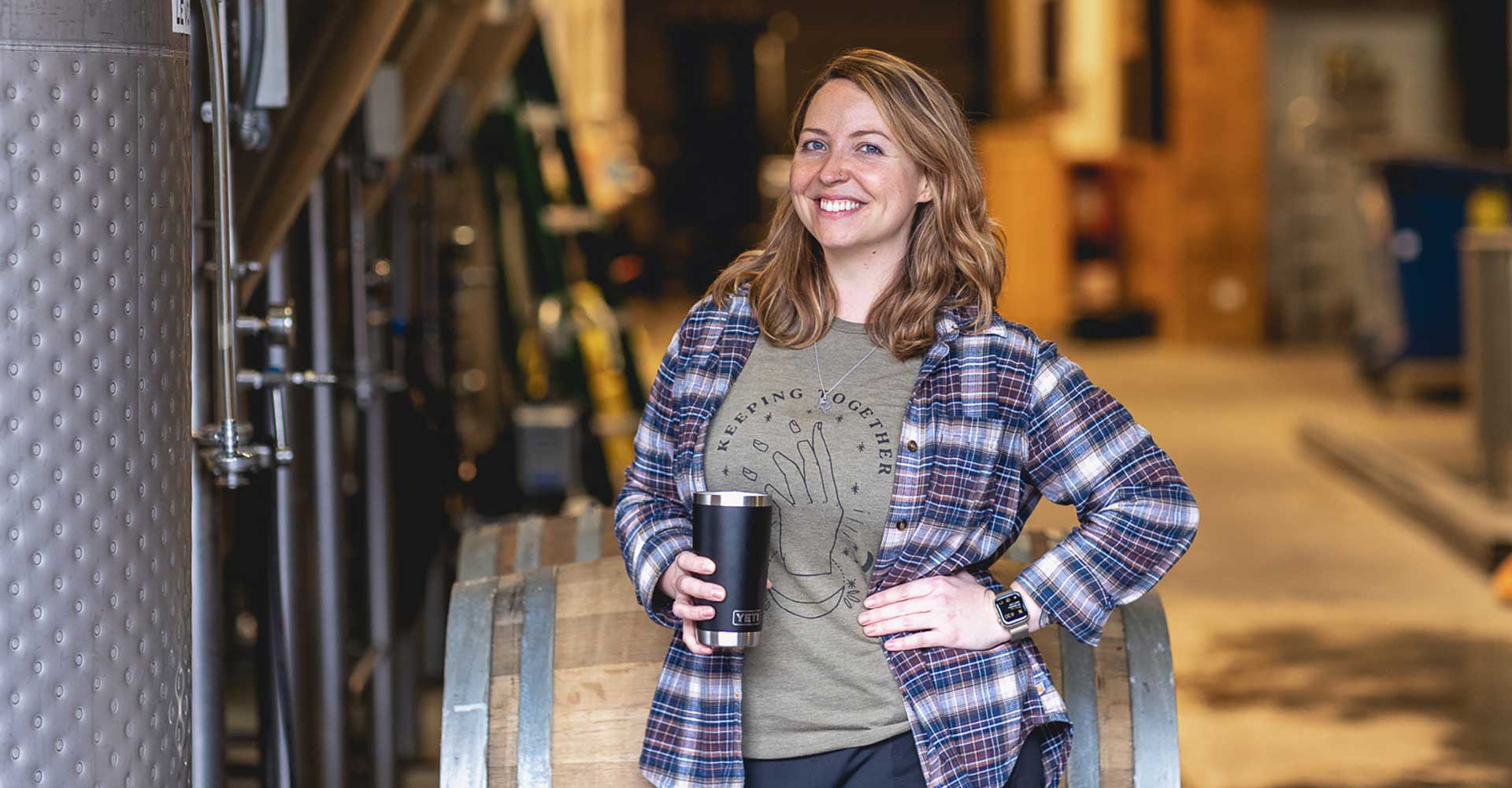
ALL ACCESSResults of a burnout survey indicate beer industry pros are asking fundamental questions about their career paths, often feeling undervalued—and some are leaving it all behind.
Showing 241-260 of 837 articles

Results of a burnout survey indicate beer industry pros are asking fundamental questions about their career paths, often feeling undervalued—and some are leaving it all behind.

Today, with distributors cutting back and tough competition at retail, it’s time to re-emphasize the festival as a way to attract new customers. Here are some experience-based tips on running a successful and profitable event.

In a market with no room for error, neither is there room for avoidable off-flavors—including diacetyl and other issues caused by hop creep. Research continues into its causes and how best to avoid or eliminate it before beer leaves the brewery.

From a new association for Black American brewers to the top beer in Africa, here are some news and announcements from around the industry.

With tighter competition, fewer wholesalers, and lower wholesaler interest, small breweries are looking for incremental ways to grow sales. That’s led to new models and some new opportunities—but there are no easy paths.

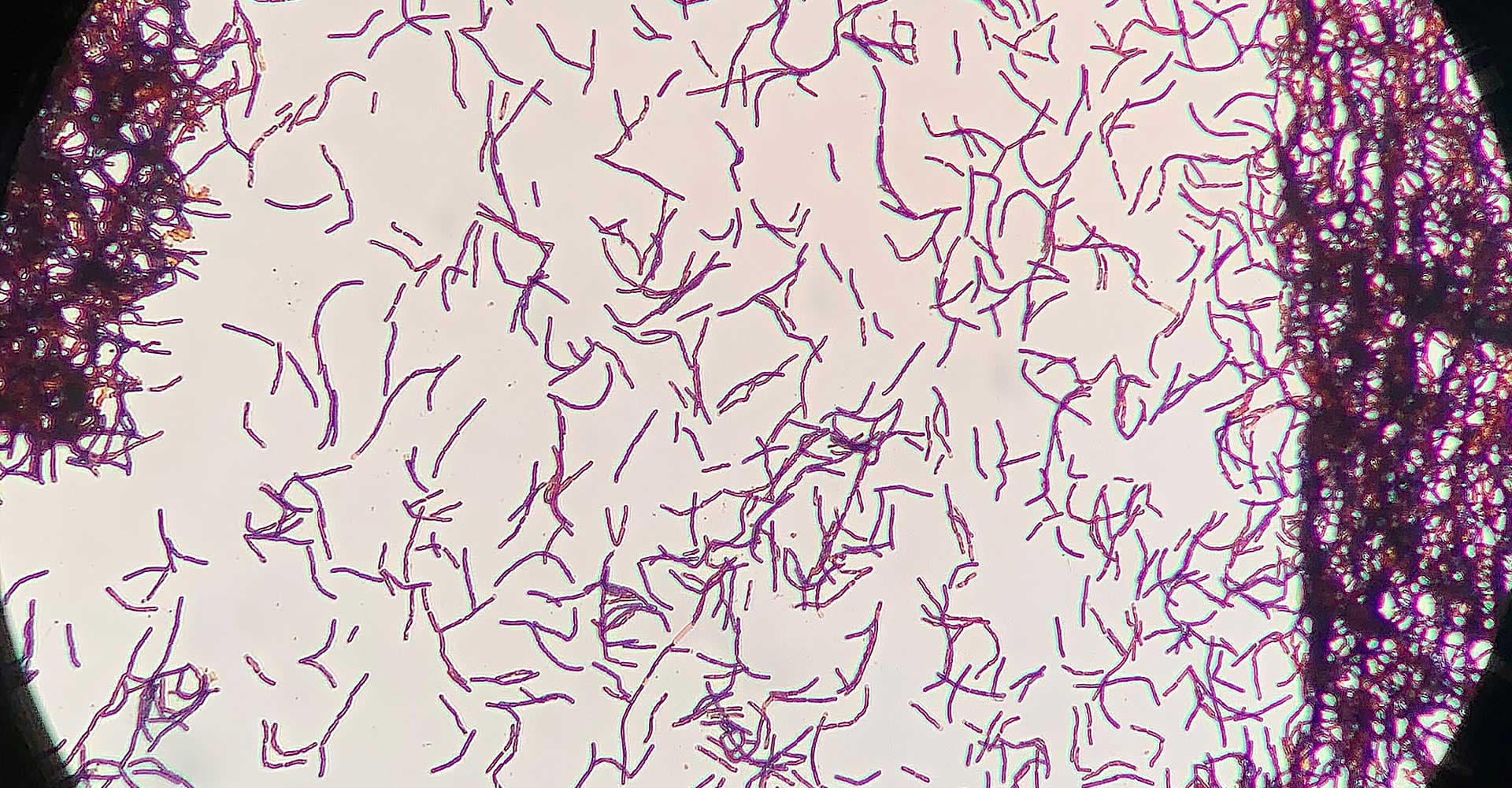
As brewers, we love our low DO levels and our cans of light, crisp lager in the summertime. Unfortunately, so do a couple of the stealthiest spoilage organisms known to the beer industry.

As damaging weather events become more common, breweries should consider whether investing in backup equipment now could help save money in the long term.

A recent survey found a high degree of occupational exhaustion among people who work various jobs in the brewing industry. Here we present the responses graphically as a violin plot.

For some breweries looking beyond beer, copackers have become vital partners for launching new products. Here’s what to know when weighing your options.

From Bay Area acquisitions to big new taprooms in the Midwest, here are some news and announcements from around the industry.

This week the Brewers Association updated its annual list of the top 50 craft brewers in the United States by volume of beer produced, so we’ve updated our infographic that tracks the shifts in rankings and new arrivals each year.

Better brewing through chemistry? From avoiding stuck mashes to boosting hop aroma while dodging diacetyl (and decreasing tank time), there may be multiple uses for exogenous enzymes in your brewery.

In Massachusetts, Notch has carved a niche for traditional lagers and ales of modest strength and for bar service that honors those traditions—and, along the way, its confident approach has had an outsized influence on the industry.

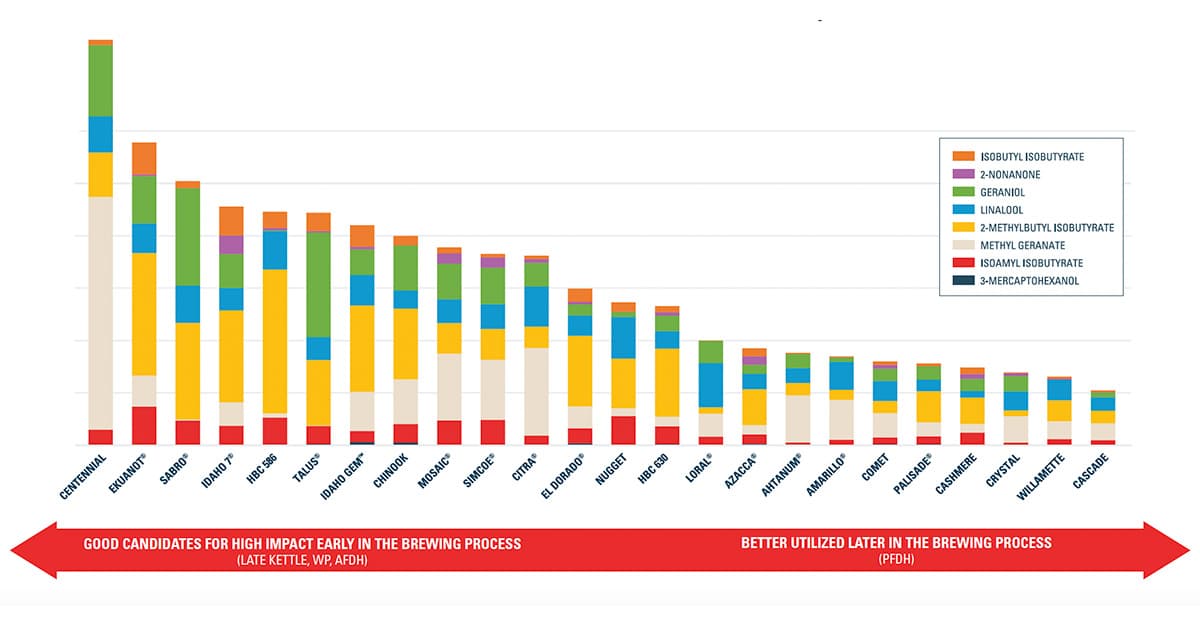
The 2022 harvest in Central Europe was historically bad, but the Pacific Northwest also had an off-year, with aromas of many varieties more muted than usual. Here’s how to make adjustments so you can brew the best beer from what you’ve got.

What kinds of beers has our Craft Beer & Brewing blind judging panel enjoyed the most? Here’s a visual breakdown of their top 50 beers scored over the past few years.

Much of the growth in convenience-store beer coolers is in the form of large, single-serve packages—but that doesn’t make the stovepipe a sure bet for all breweries.

Kettle acidification has become an important technique in the craft brewer’s bag of tricks. Here’s some advice from a few of the best in the business on how to get greater consistency and depth of flavor when deploying lactic acid–producing bacteria.

It’s long been known that malt contains precursor compounds that can be unlocked via fermentation for bright, tropical-fruit aromas. Researchers are beginning to quantify those contributions, and brewers are putting them to work in the brewhouse.

Some brewers put a lot of thought and care into their contest entries—and the rest are at a disadvantage. To increase your chances of winning, here are some top tips from the organizers of major international competitions.

They don’t just look impressive and produce some unique beers, but they’re also relatively inexpensive and easy to maintain. Might a foeder be a good fit for your cellar?