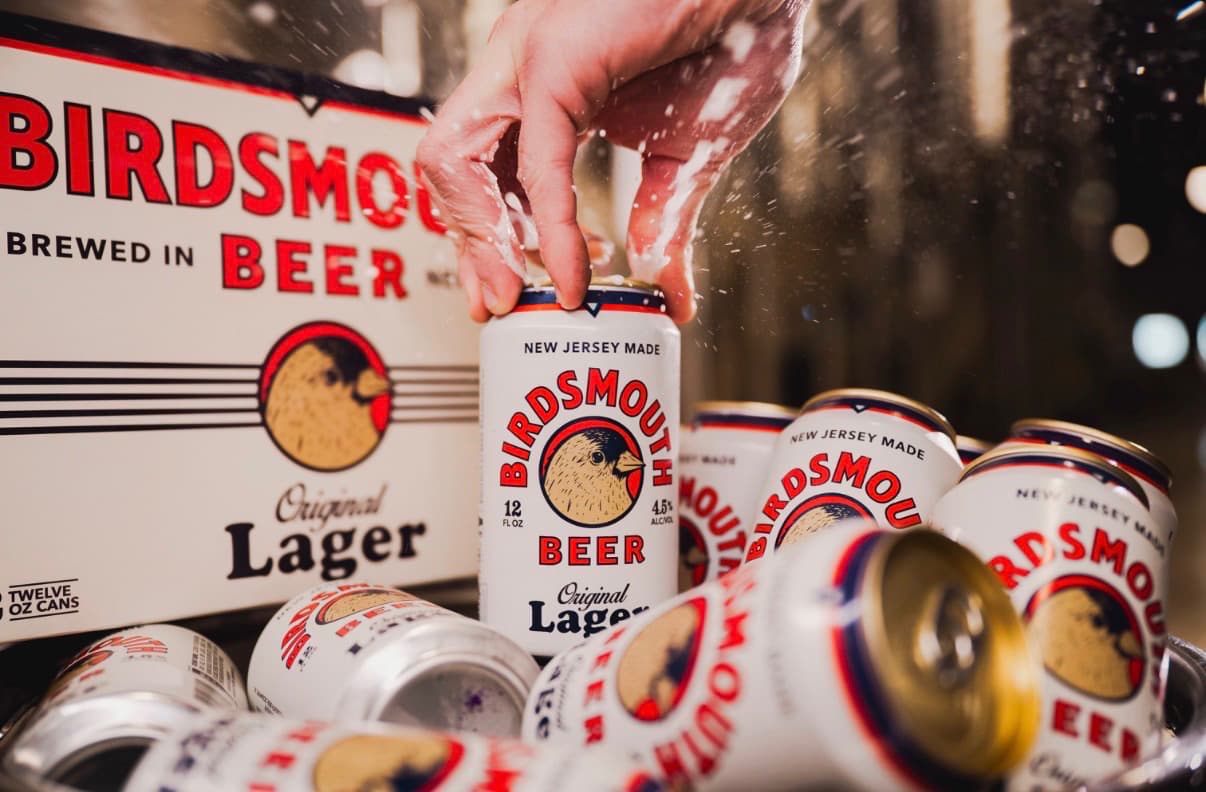
The Full Package: Design Trends to Know in 2026
Industry All Access
Among the current shifts in beer packaging and design: going small for cans and ABV, leaning into flavor and line extensions, and getting nostalgic.

48 articles in this category
Among the current shifts in beer packaging and design: going small for cans and ABV, leaning into flavor and line extensions, and getting nostalgic.
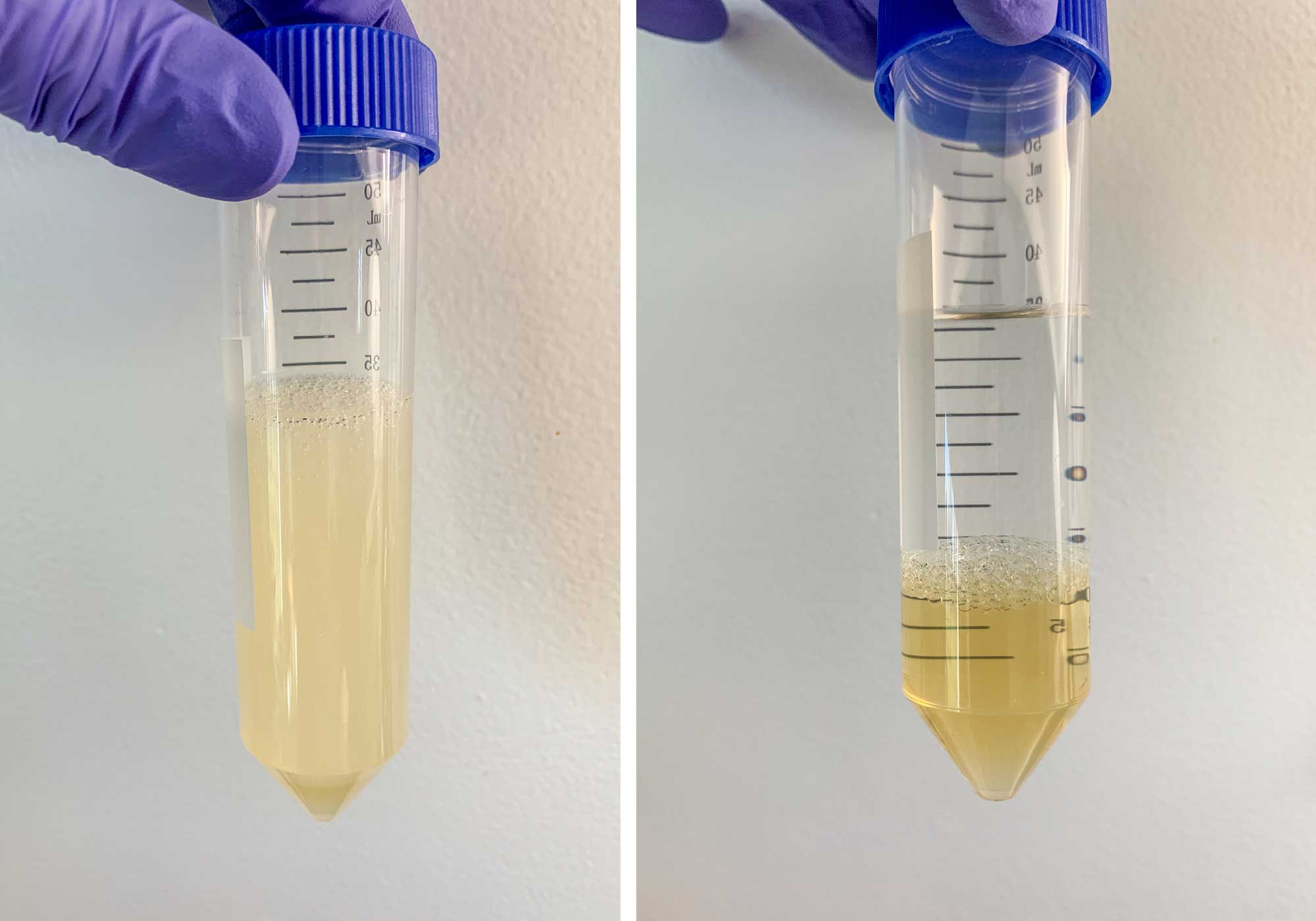
Bitterness is an important component of most beers, but the ways that we have to measure it are far from perfect. How can brewers effectively test for and quantify it?
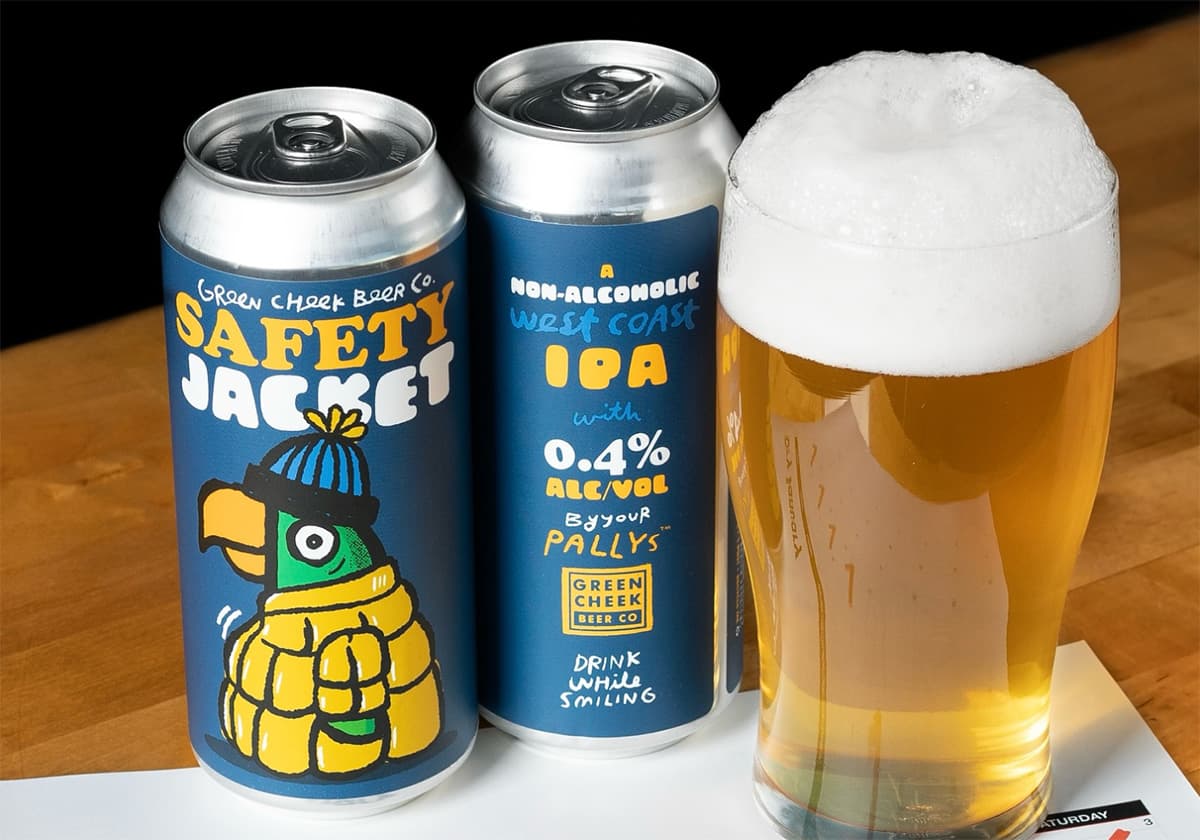
Special maltose-negative yeast strains offer an accessible route to nonalcoholic beer with a low cost of entry. While pitching the yeast is easy, however, dialing in a tasty NA product demands iteration and a careful process.
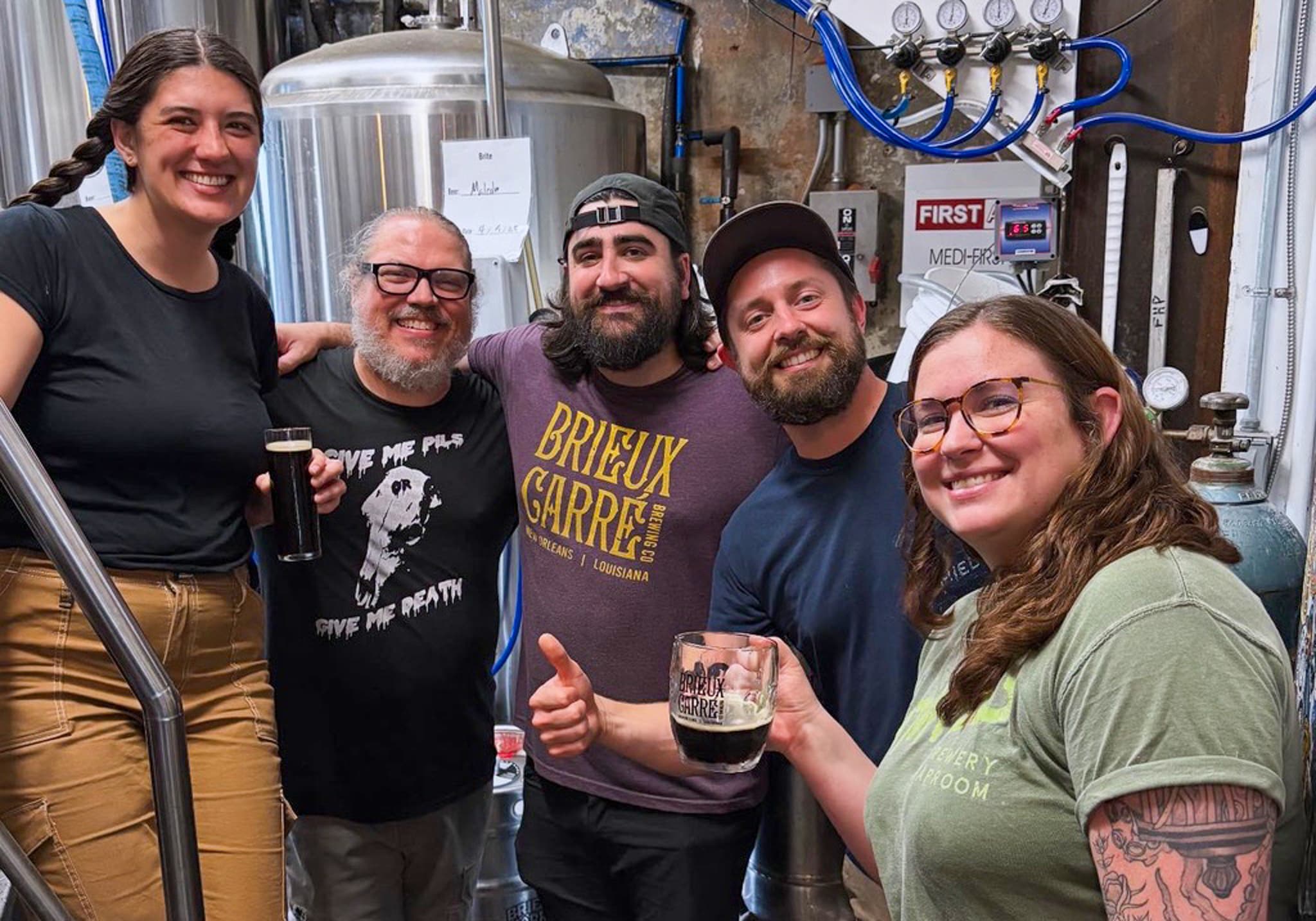
Collaboration is part of modern craft beer’s DNA, but today’s challenges mean brewers must be choosier about when and where they dedicate their time. From fellow industry pros, here are some key considerations to keep in mind.
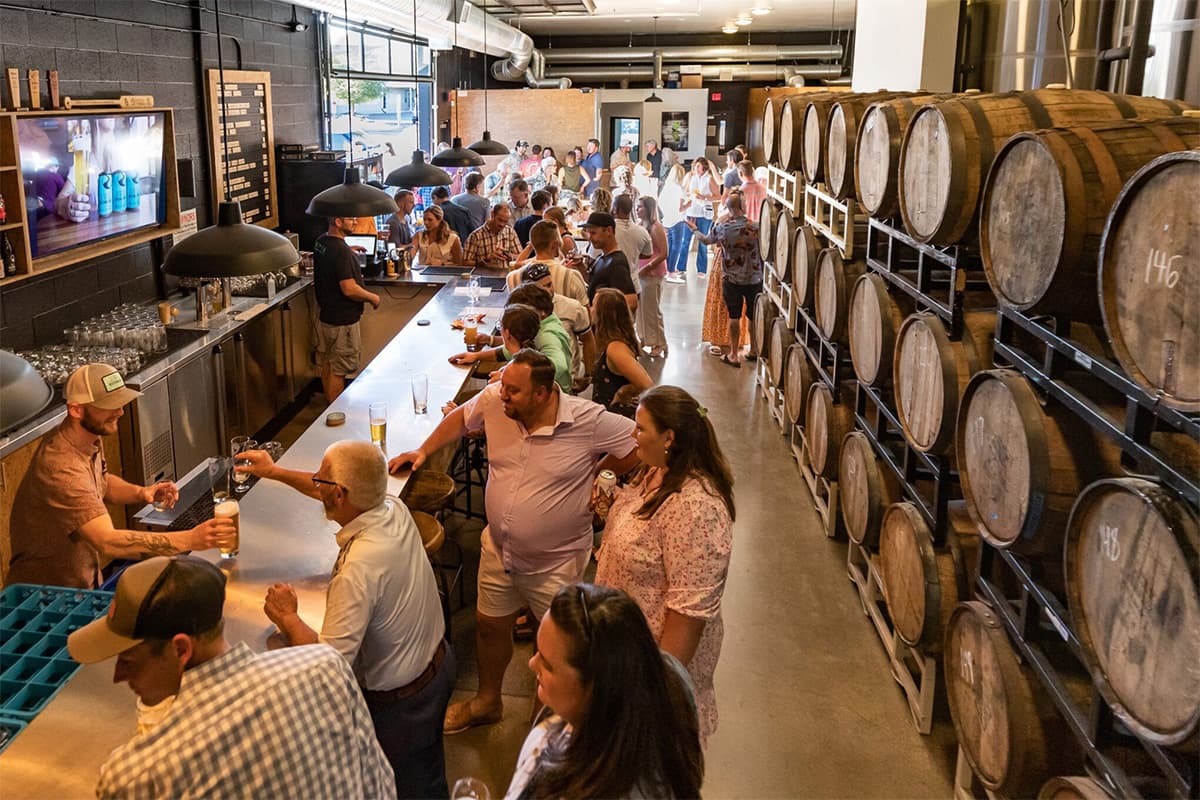
There is front of house, there is back of house—and if the only constant is chaos, then small breweries need to build flexibility into both their hospitality and manufacturing sides, while bearing in mind the long-term implications of cutting costs.
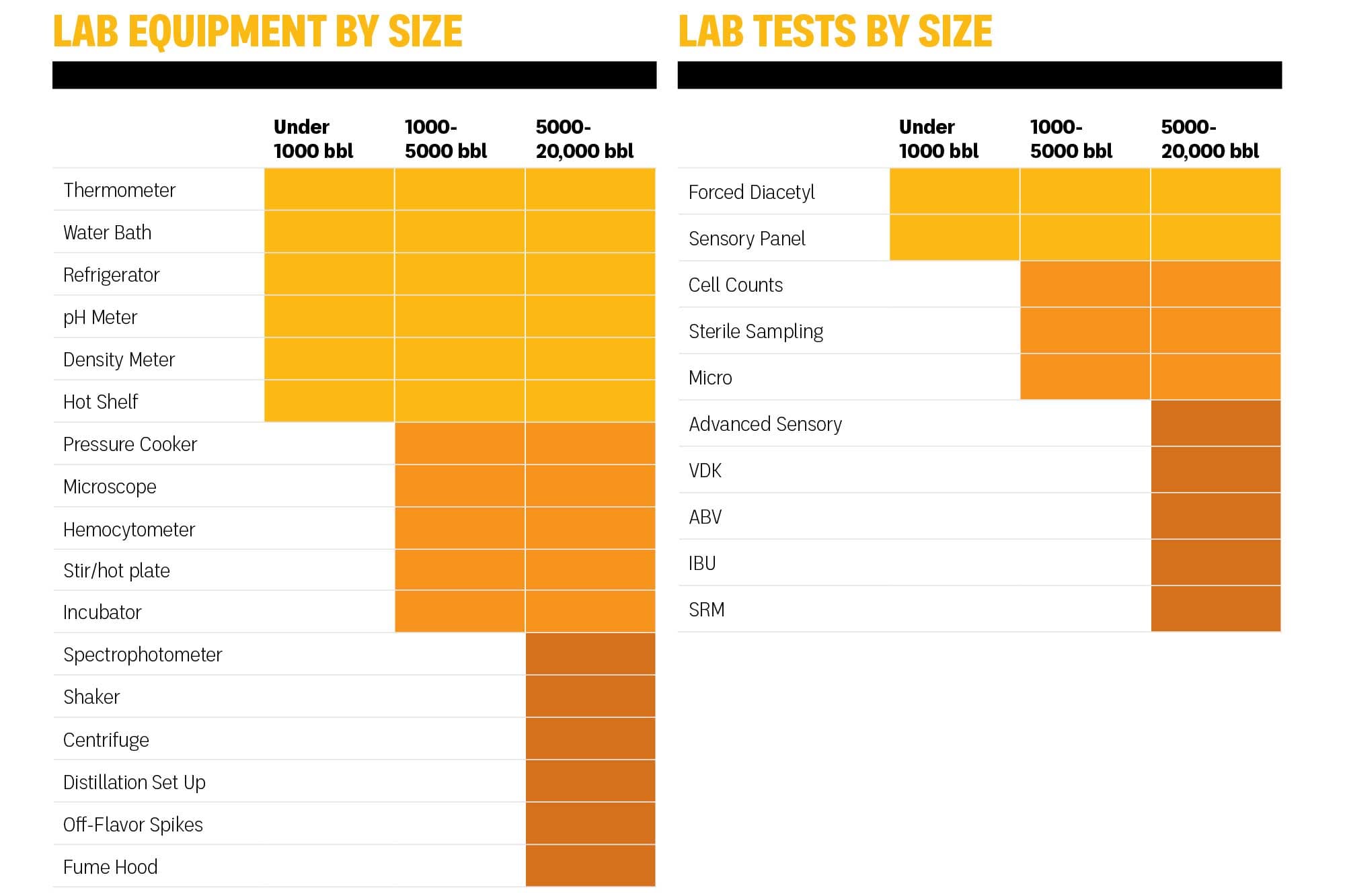
Adding a quality lab can seem daunting to a small brewery, but it’s not so bad when you know what equipment you need and which tests are appropriate for your scale. Here, we outline exactly what you should need.

An unusual residency program at Georgia’s Creature Comforts goes beyond other beer collabs, potentially serving as a model for those looking to build new paths of opportunity in the industry.
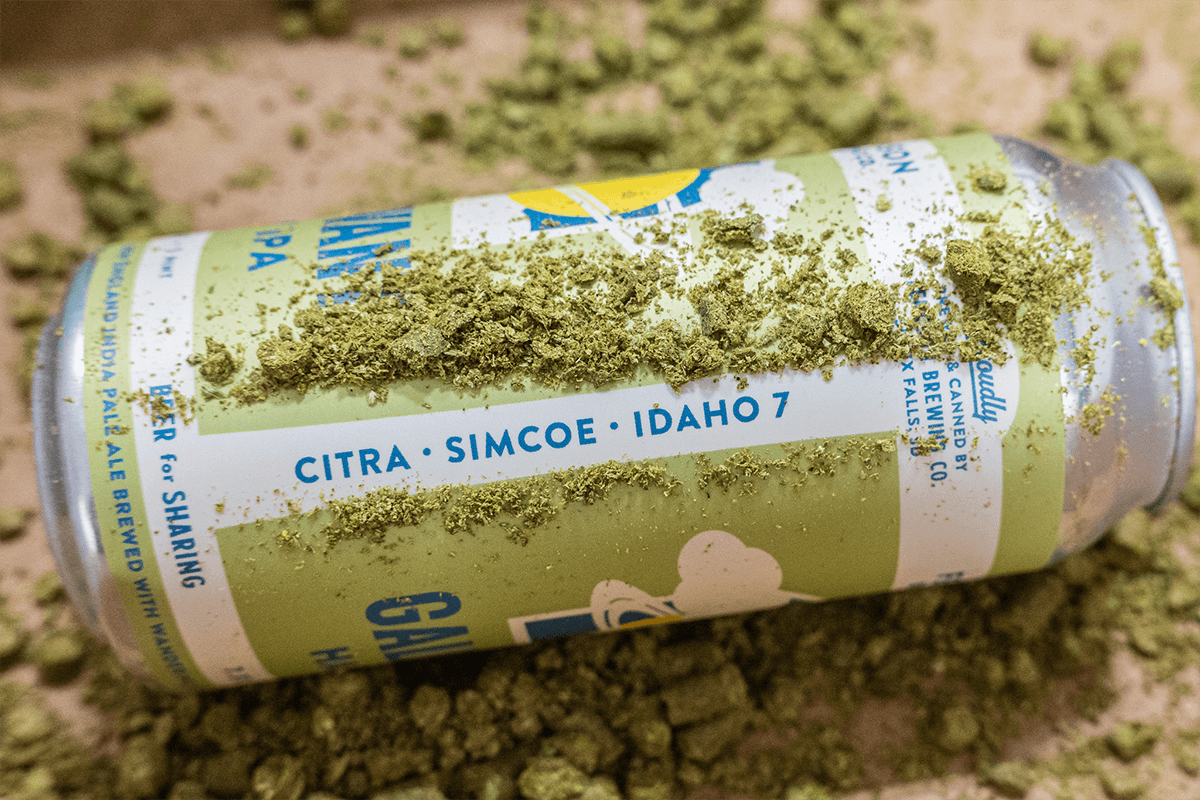
Your brewery has the potential to tap into a wider audience, bearing in mind that today’s typical drinkers aren’t beer geeks. Here’s how to grab their attention with flavor descriptions that resonate.
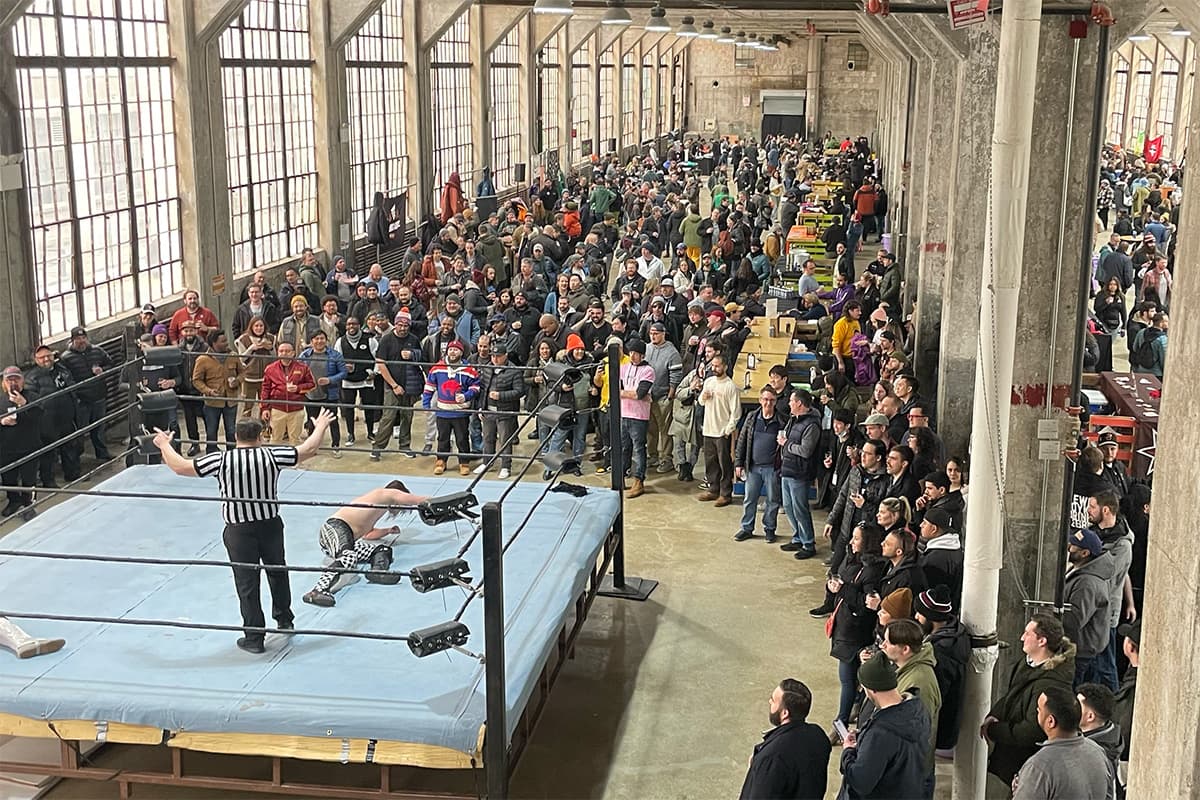
Local beer weeks started happening when craft beer was the new kid on the block, and they were ideal for attracting new customers. Yet they can still shift to appeal to today’s informed consumers—and breweries can benefit.
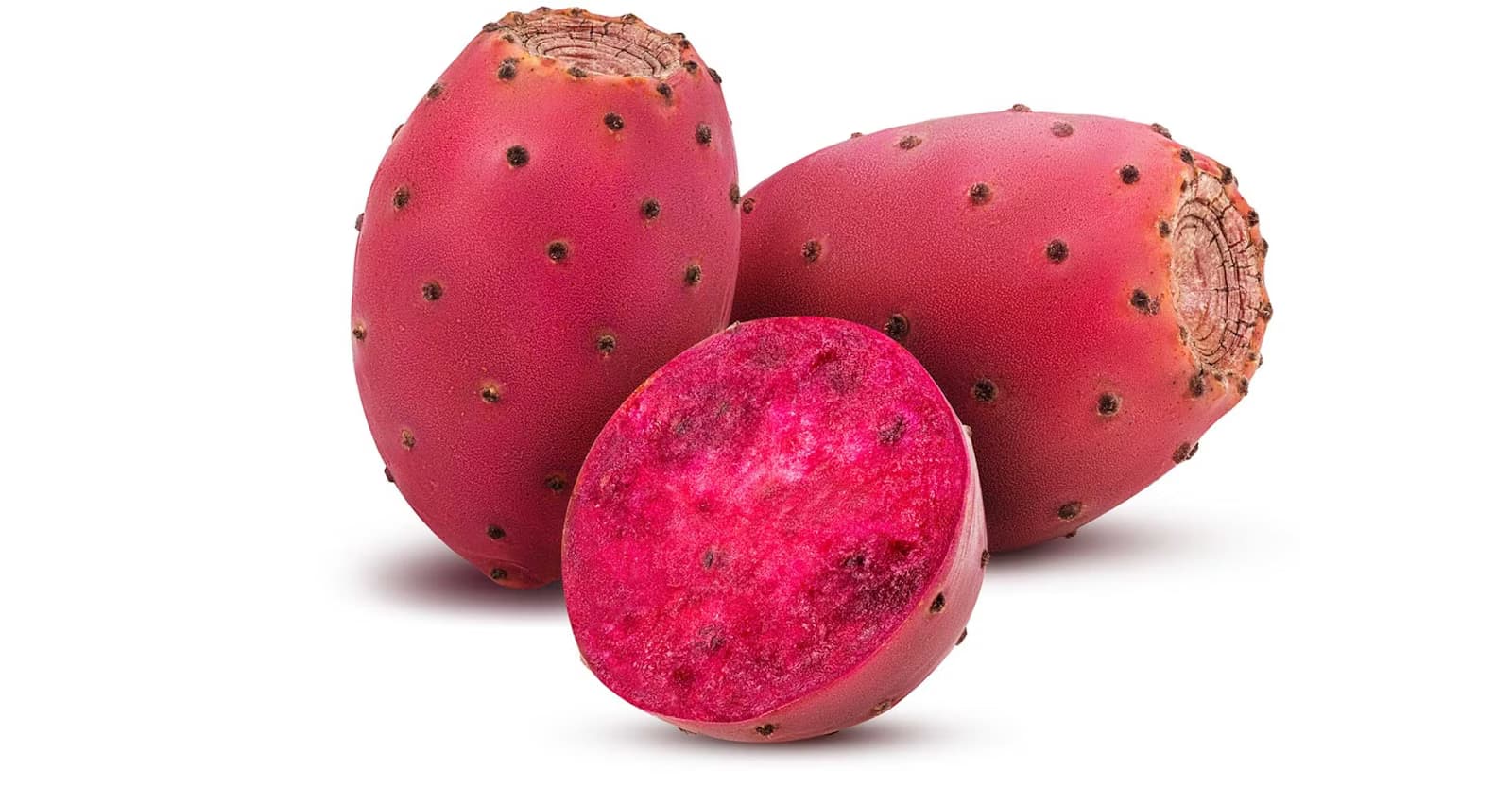
Getting label approval for beers that include certain ingredients should be a simpler process after the addition of two dozen items to a list of those exempt from formula requirements.
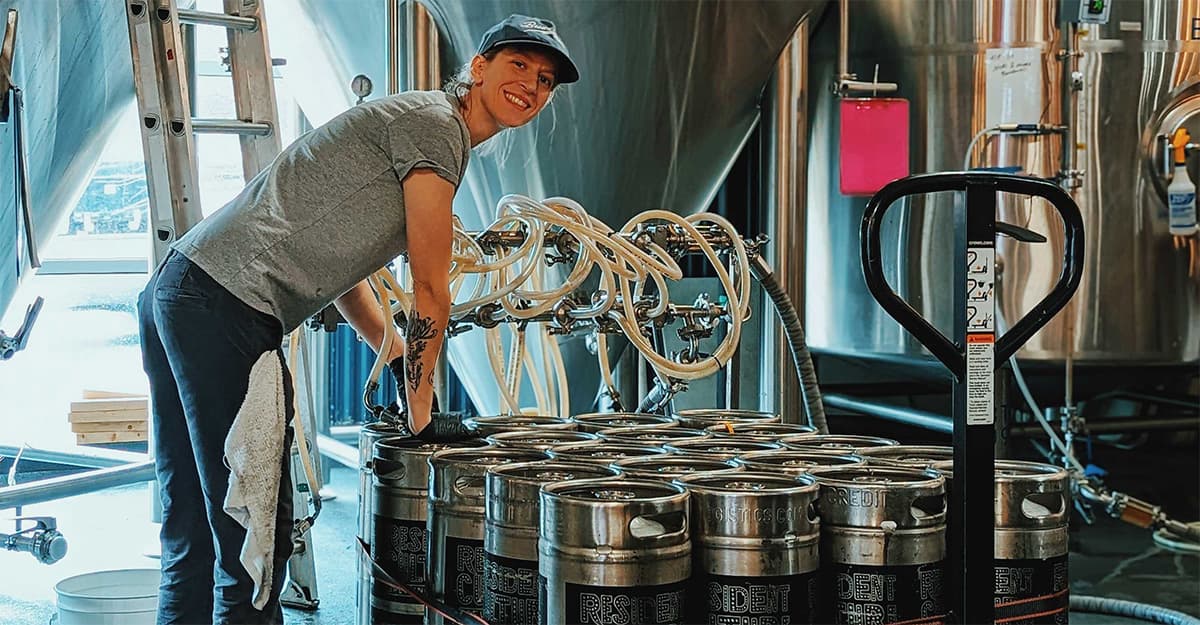
Understanding the cost of wages and benefits is more important than ever. The balance is in finding creative ways to keep them steady while ensuring that employees feel valued.
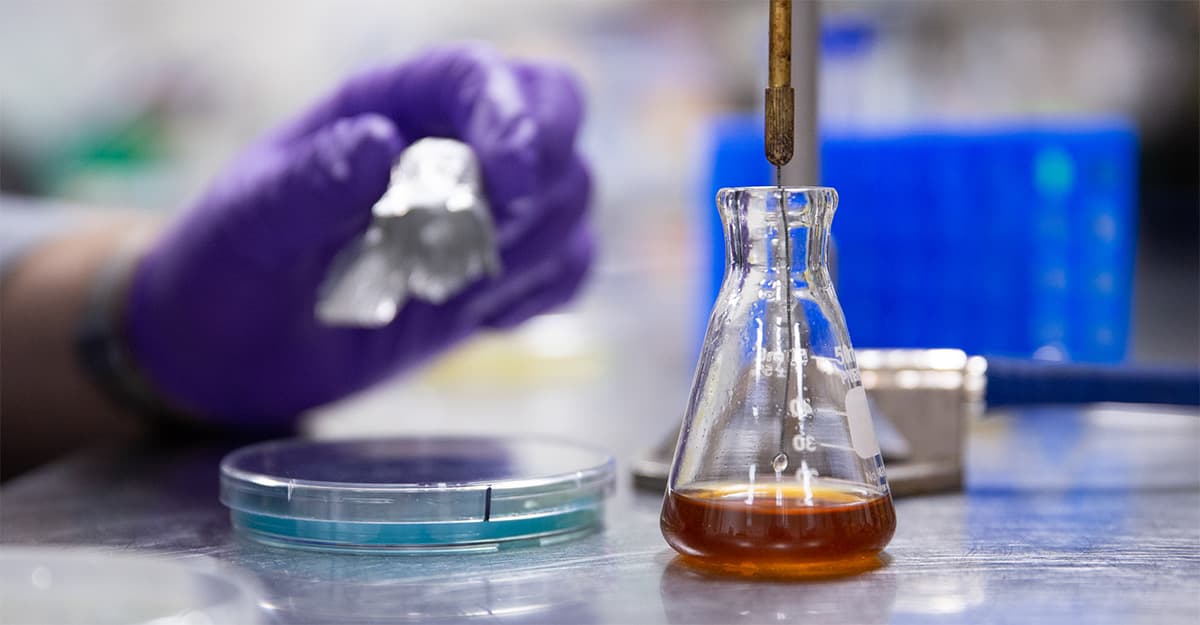
One way that yeast labs are developing new strains is a method called adaptive lab evolution, which avoids genetic modification while aiming for specific traits sought by brewers—such as greater tolerance to alcohol, or to terpenes. Here’s how it works.
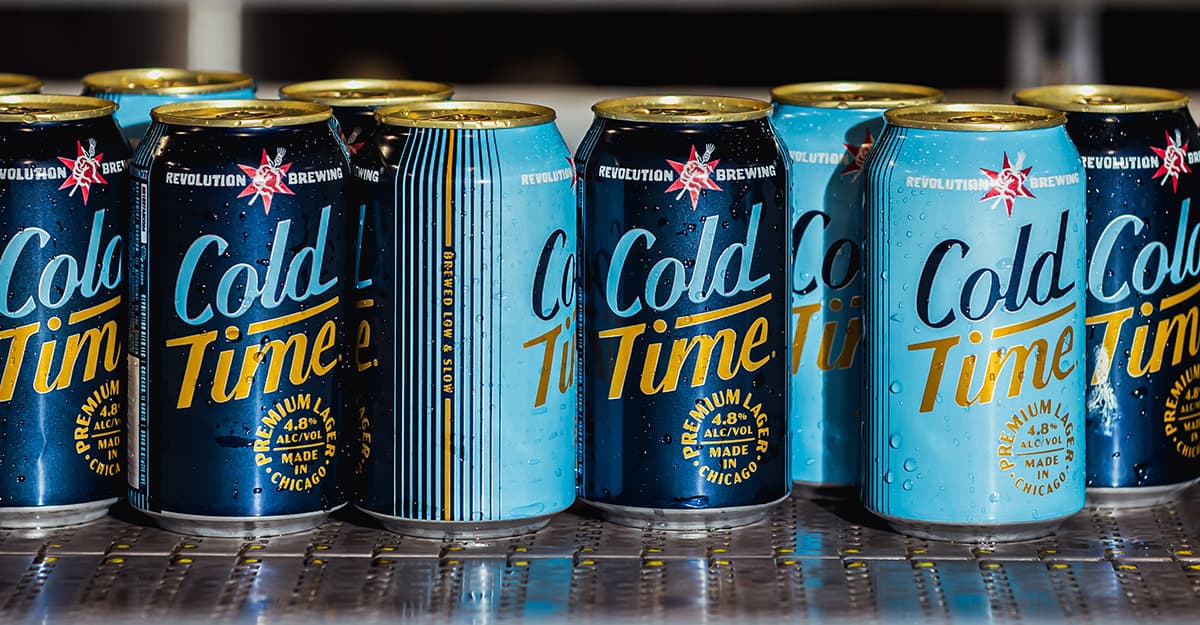
While the tech is still young, the digital printing of cans is growing in capacity and becoming more accessible—and it can be done quickly, in batches as small as a half-pallet.

For anyone serious about quality, there’s nothing quite as satisfying as a well-thought-out binder packed with standard operating procedures. Here’s how to get started on SOPs for your brewery’s quality program.
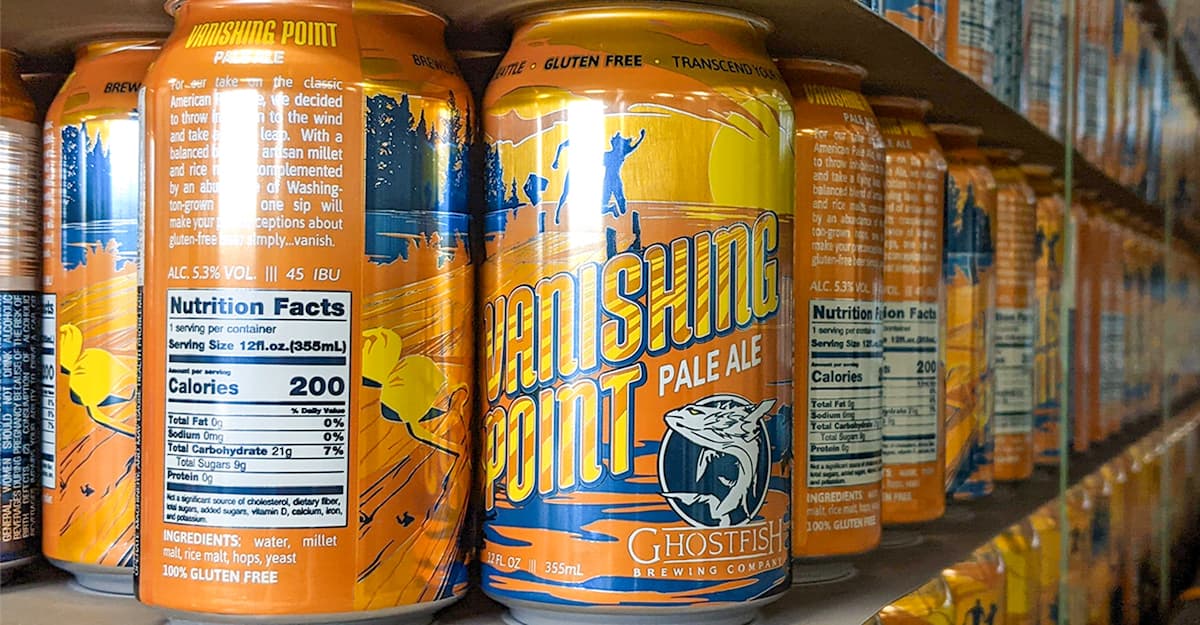
The process behind long-expected changes in federal labeling rules is lumbering into motion. Brewers have until March 29 to submit public comments on how proposed requirements would affect their businesses.
The Hawaii-based brewery plans to release a beer called Kokua, with all proceeds going to relief efforts, and it invites all interested breweries to join the project and brew a Kokua beer.

From the latest Anchor twist to hazy genes, here are some news and announcements from around the industry.
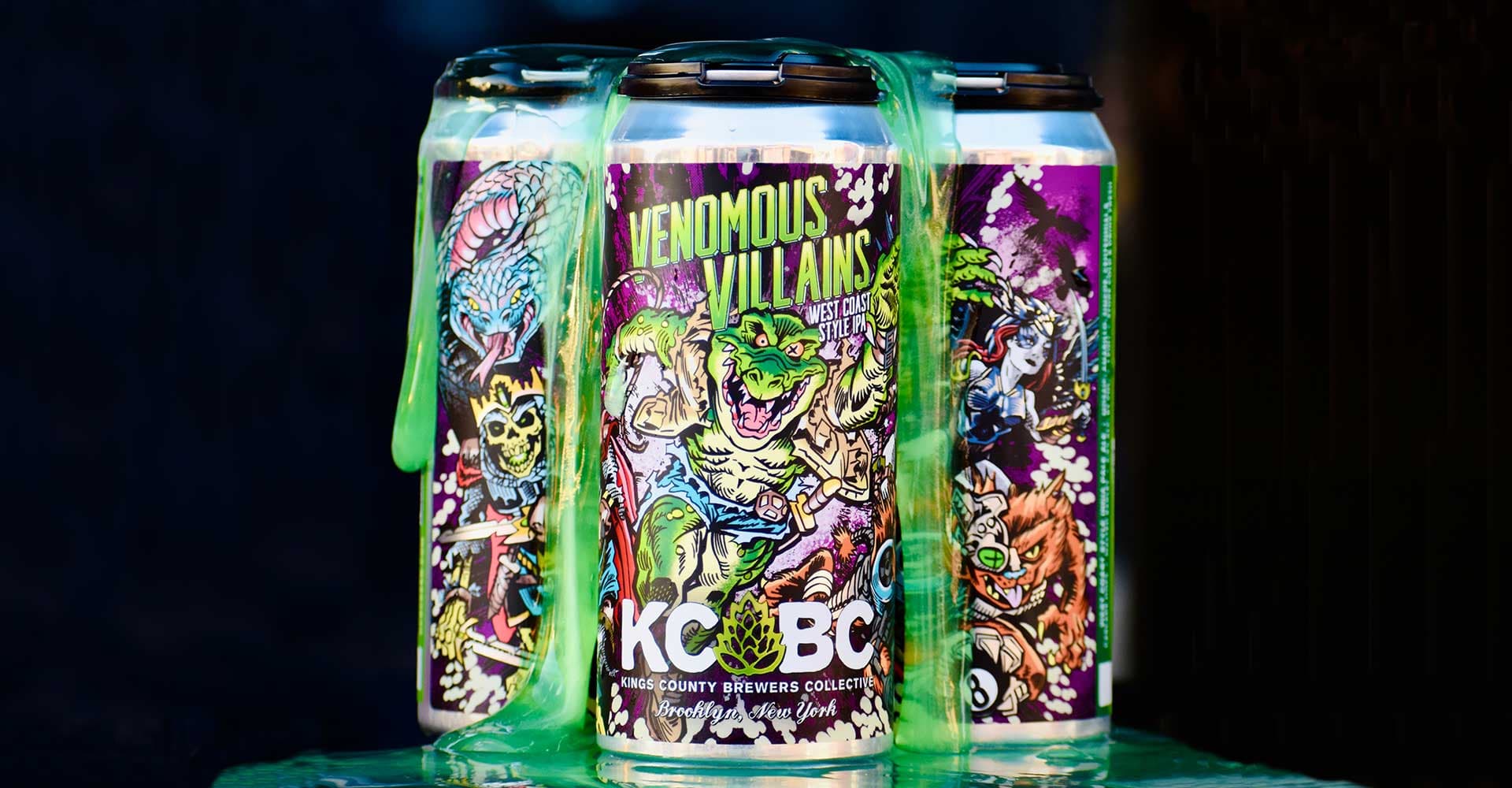
From nostalgia and augmented reality to big cans and clear communication of flavor, here’s how today’s breweries are standing out on increasingly crowded retail shelves.
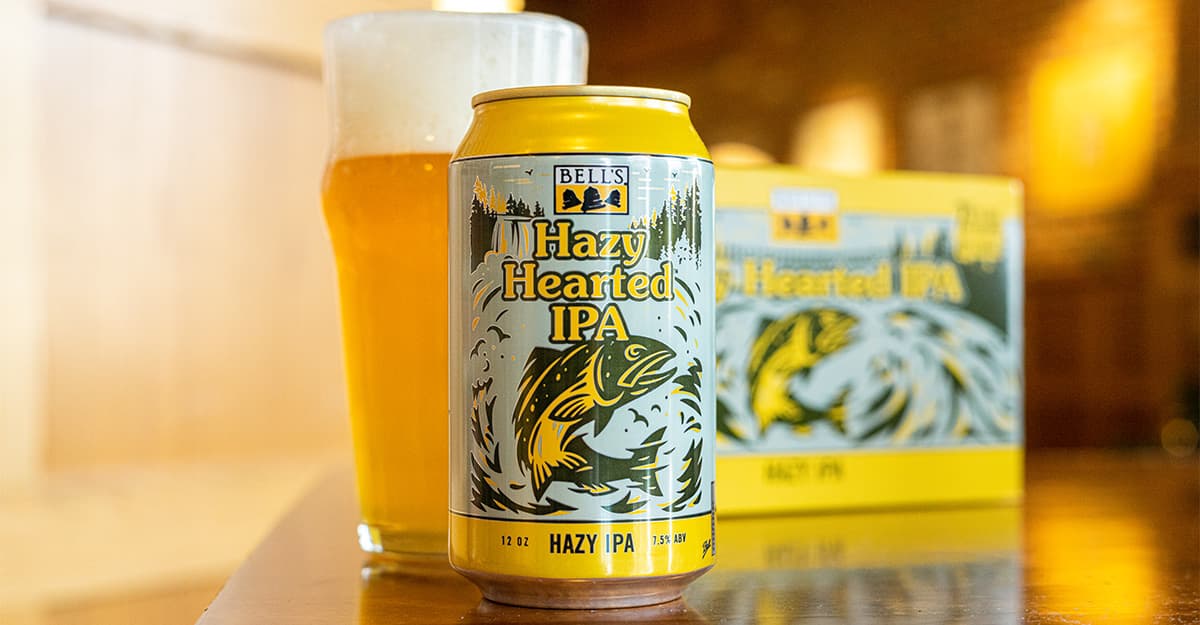
From an icon going hazy to resealable beer cans, here are some recent news and announcements from around the industry.

From Jackson Hole acquisitions to cross-border collabs, here are some recent news and announcements from around the industry.