Turning the Yeast-Pitch Dial to Better Achieve Target Flavor
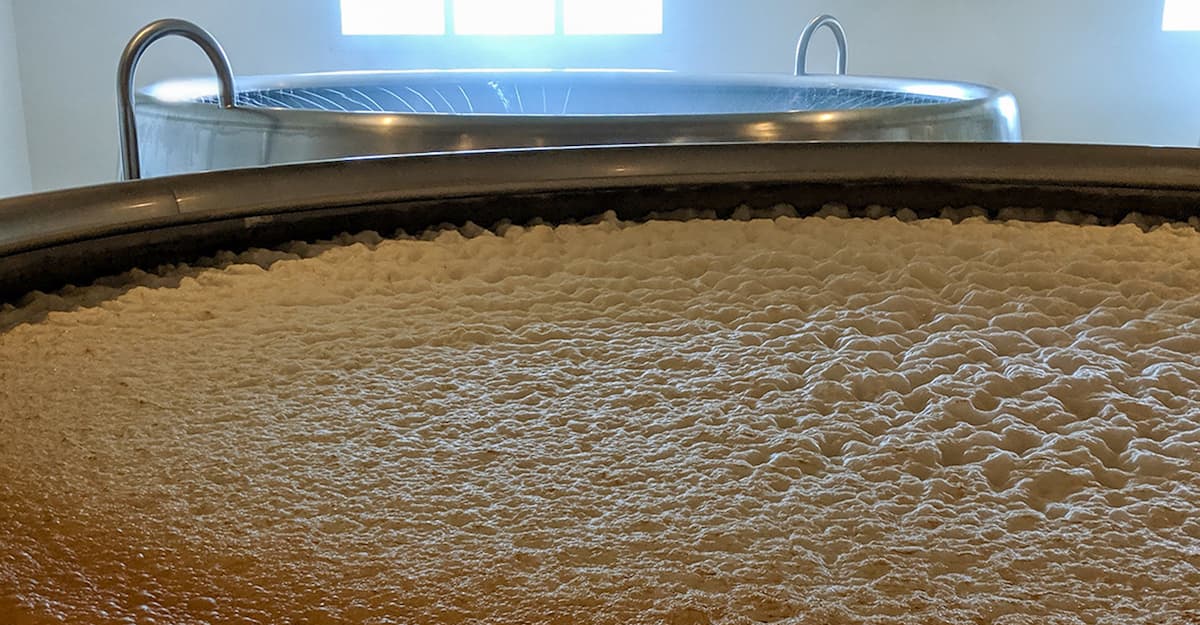
ALL ACCESSWe know that yeast strain and fermentation temperature are highly impactful on beer flavor, but there’s a more subtle variable that brewers often overlook: pitch rate.
20 articles in this category

We know that yeast strain and fermentation temperature are highly impactful on beer flavor, but there’s a more subtle variable that brewers often overlook: pitch rate.

Whether it’s a table beer that expresses terroir or a bare-bones local lager that lets its ingredients shine, there may be opportunities for small breweries to tap into a segment of wine that’s buzzing.

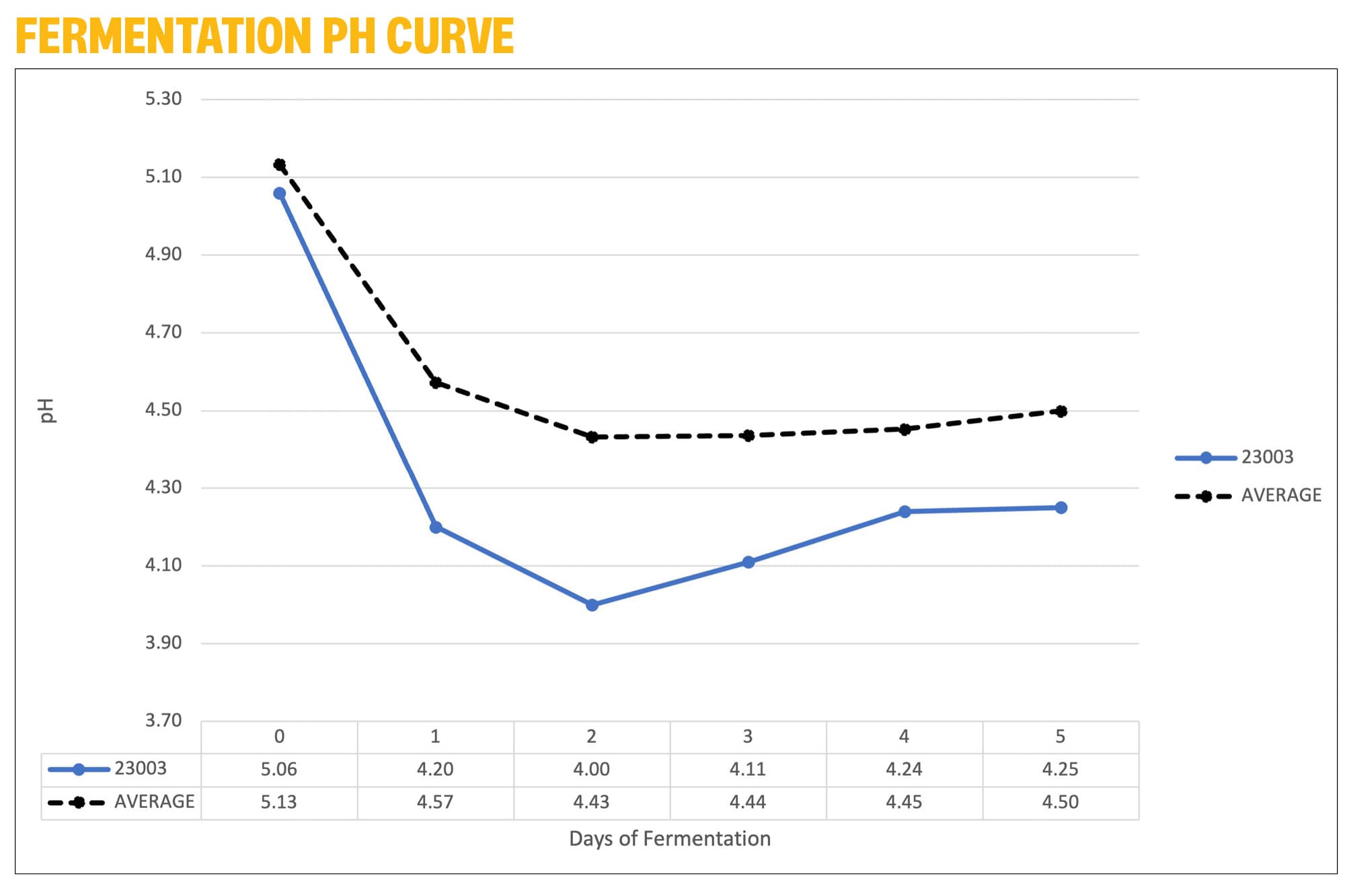
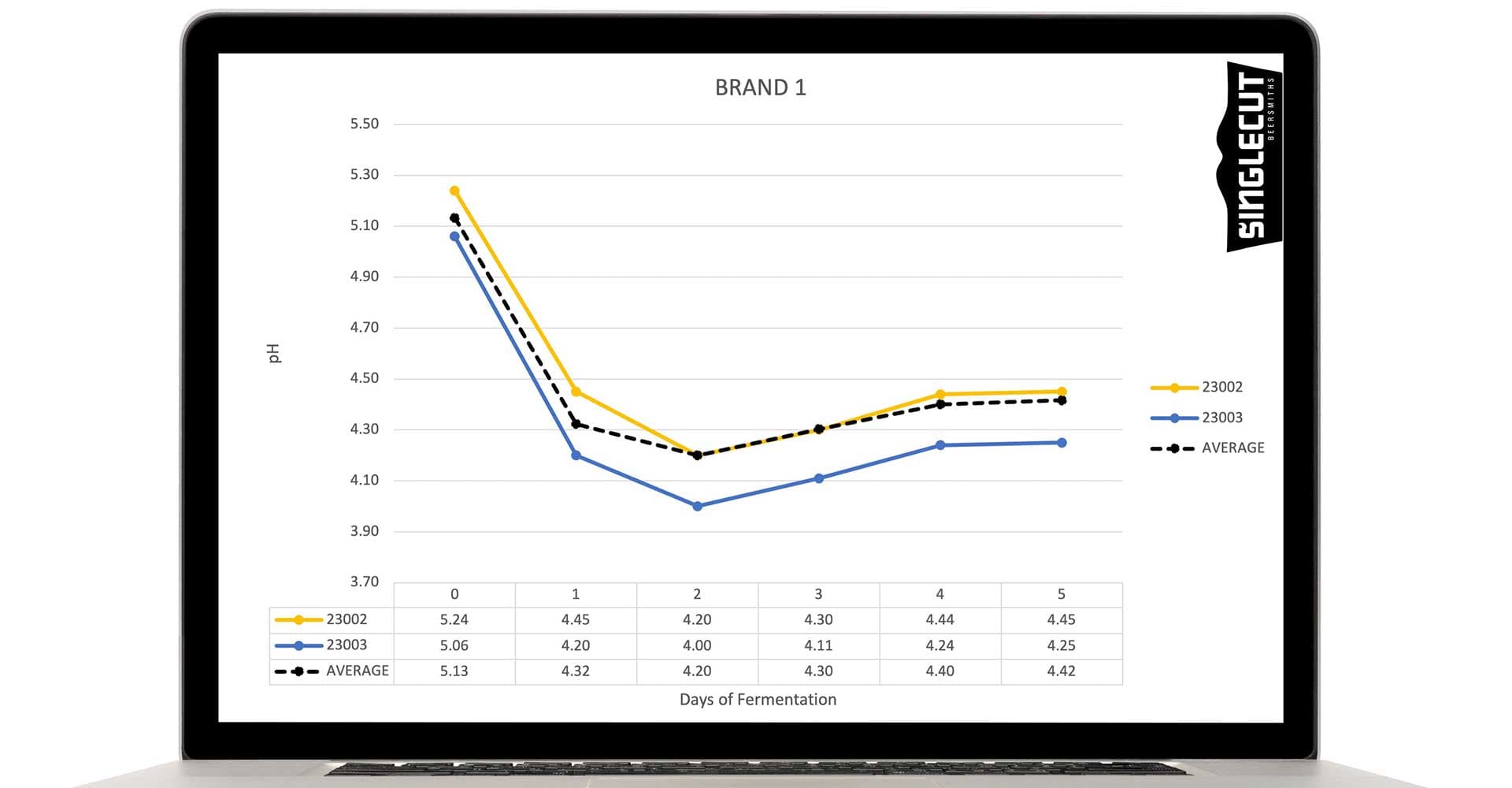
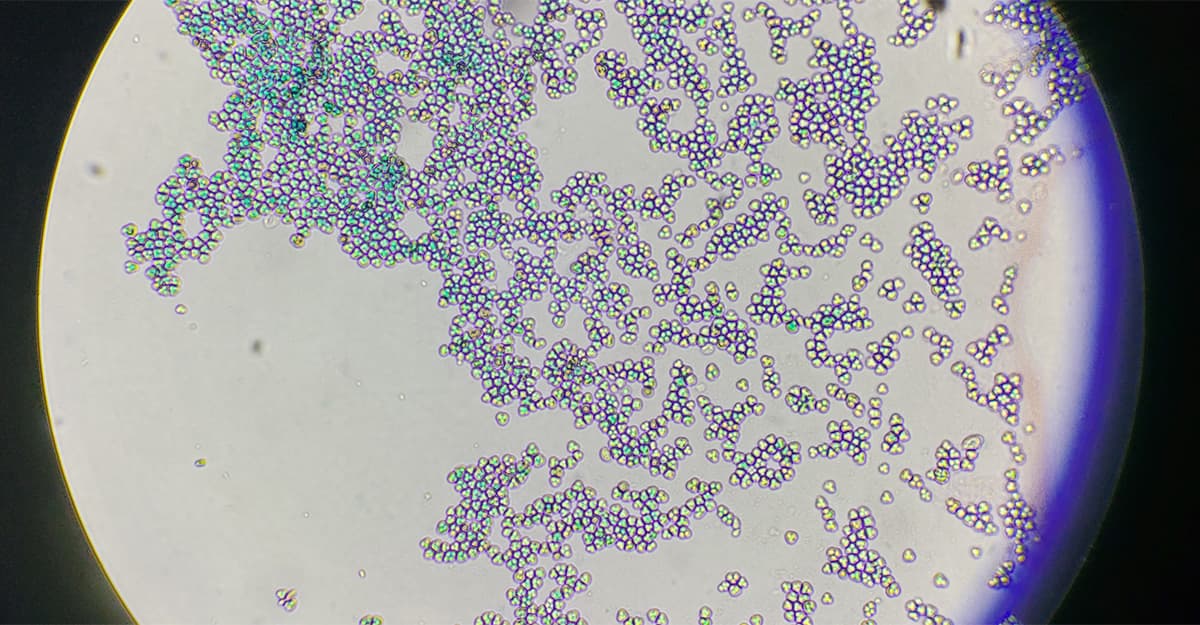
Many smaller breweries lack the resources to perform regular cell counts on their yeast pitches or slurries. Luckily, yeast share some of their secrets with us via pH values, and that can be an easy way to check on their health. Here’s what to know.

Researchers and yeast labs are looking closer at whether yeast-killing yeast—such as those that snuff out diastatic strains, preventing cross-contamination—may have broader applications in brewing.

Recent experiments at New Belgium could help smaller breweries decide whether the benefits of mid-fermentation dry hopping are worth the potential costs.

Are common misconceptions contaminating your cellar? We asked the yeast labs about what things brewers often get wrong. Here’s their advice.

A method known to the largest lager brewers and many homebrewers remains relatively rare at small breweries—pressure fermentation. When properly applied, it can be an effective way to trim tank time and control the quality of cleaner-fermenting beers.

With a tight focus on oak-aged beers inspired by Belgian lambic and gueuze, Lisa and Brandon Boldt are making their niche more convivial and approachable.

They don’t just look impressive and produce some unique beers, but they’re also relatively inexpensive and easy to maintain. Might a foeder be a good fit for your cellar?

Widely available programs such as Excel or Google Sheets can be simple yet powerful tools for your brewing business, helping you achieve more consistent fermentations and a more predictable brewing schedule.

Some brewers make a strong argument for wider, shallower fermentors—for better esters, healthier yeast, quicker turnaround, and more.

What is open fermentation, and why do some brewing businesses—both traditional and modern—swear by it? Here we take the lid off this method and consider its unique set of strengths and drawbacks.

Happy yeast make better beer and a stronger brewing business. Here are some tips from the yeast whisperers to maximize your fermentations and lock in greater consistency.

For a smaller brewery ready to improve data collection and quality control, the idea of adding a lab or dedicated staff may seem out of reach. However, there are real steps that any brewery can take to help ensure quality—and many cost little or nothing.

Brewers have become adept at squeezing more fruit flavors out of their hops as well as producing lush fruit beers that evoke tropical cocktails. However, there is another way to amplify those crowd-pleasing flavors in your beers.

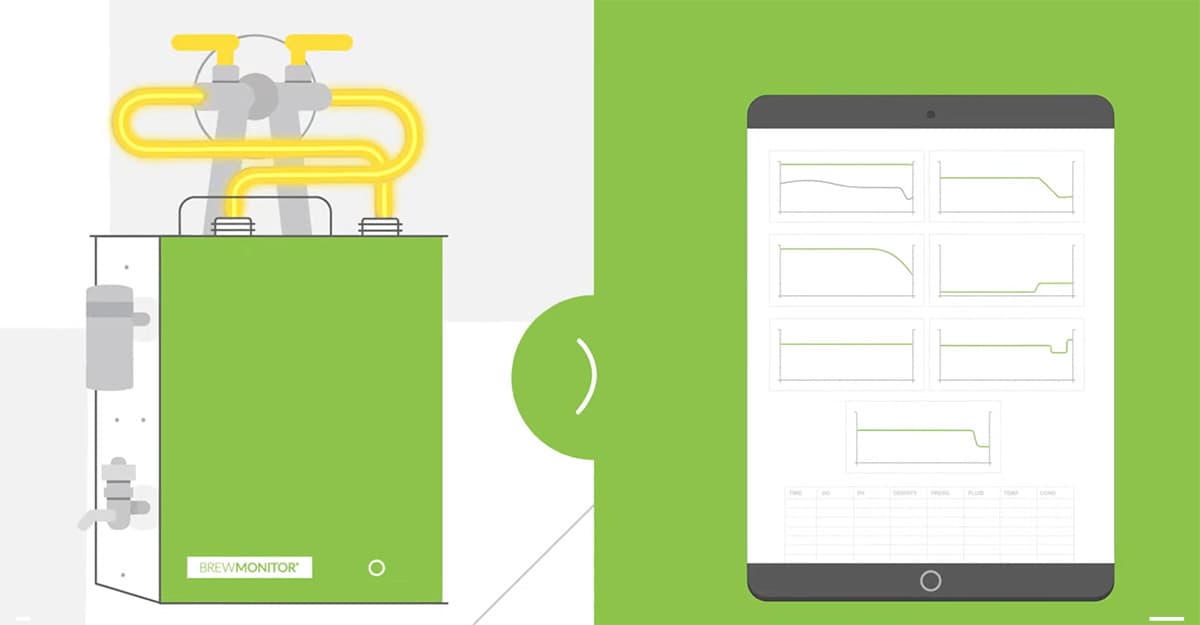
Devices that monitor fermentation in real time and apps that make data analysis a snap can help improve quality and output. They can also save breweries money, reducing the chances for error.

Yeast labs are enjoying sales success with clean kveik strains, since their ability to ferment lager-like beers in much less time has obvious appeal. Besides reduced costs and climate impact, they are potential game-changers for hotter climates worldwide.

Deep roots in the community and wide-open doors were in the schematics of Green Bench Brewing of St. Petersburg, Florida, from the start. Since then, head brewer and co-owner Khris Johnson has shepherded the brewery from strength to strength.

Christian DeBenedetti once wrote about beer. Now he makes it—collecting wild yeast from bees and plums and using oak puncheons for primary fermentation. In Oregon’s Willamette Valley, the future of Wolves & People remains unwritten.

Stubborn idealism meets commercial reality at one of the country’s best-regarded mixed-fermentation breweries. But as the market continues to change, how will the brewery’s strategy change with it?