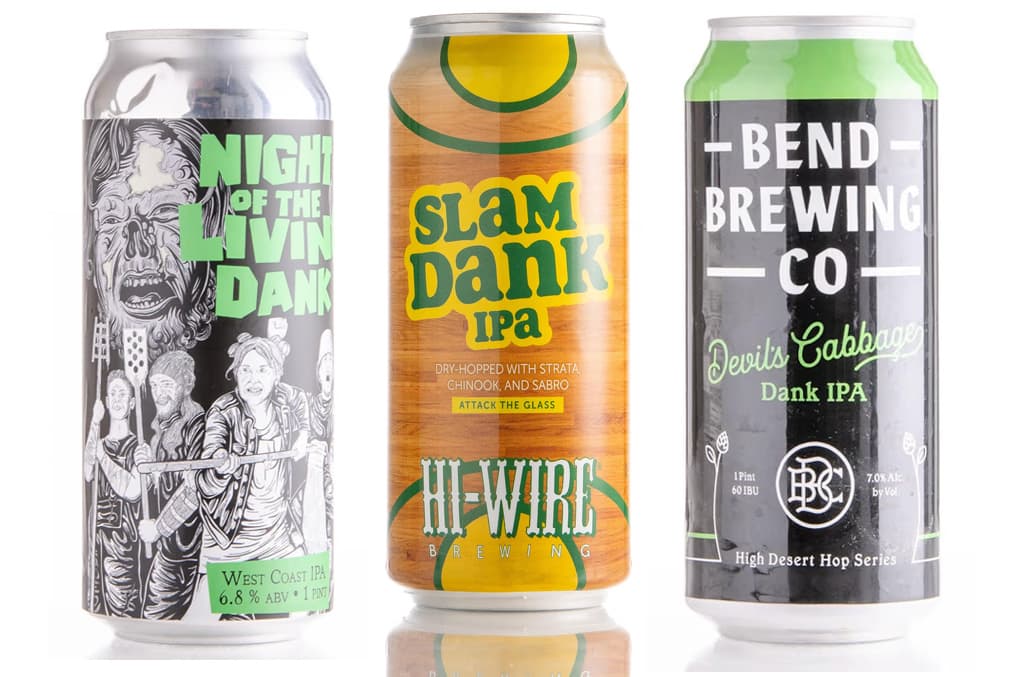
Hops Insider: Let’s Dive into Dank
Industry All Access
Sensory specialists wonder what to do with a word that means weed to one person, Grandma’s basement to another, and resinous to a third.

8 articles in this category
Sensory specialists wonder what to do with a word that means weed to one person, Grandma’s basement to another, and resinous to a third.
It’s long been known that malt contains precursor compounds that can be unlocked via fermentation for bright, tropical-fruit aromas. Researchers are beginning to quantify those contributions, and brewers are putting them to work in the brewhouse.
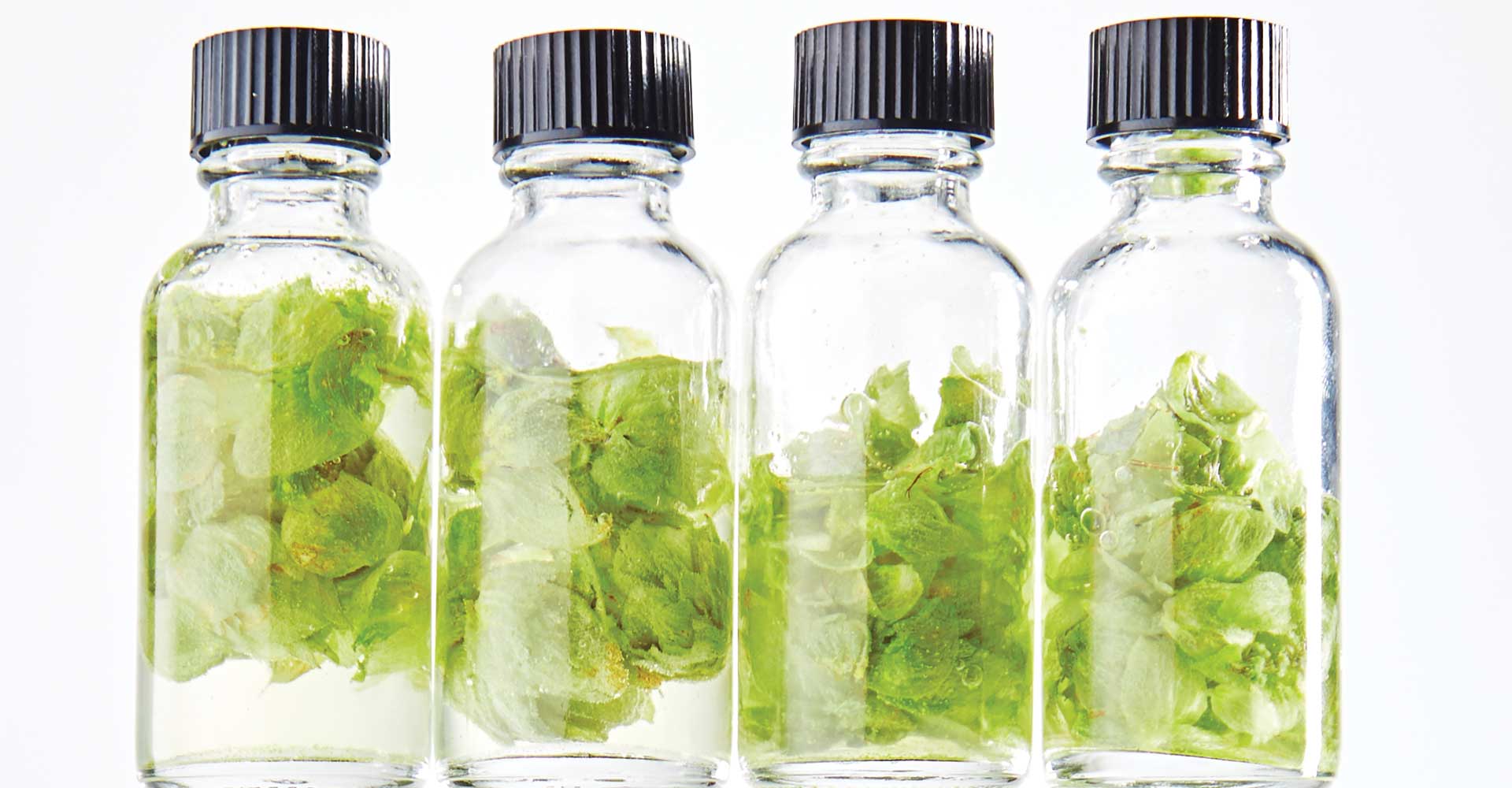
Welcome to “Searching for Thiols: Season 6.” The plot is getting more complicated, but it includes looking beyond hops to find more thiols to pack into beer, developing new yeast strains, and reconsidering practices both in the brewhouse and on the farm.
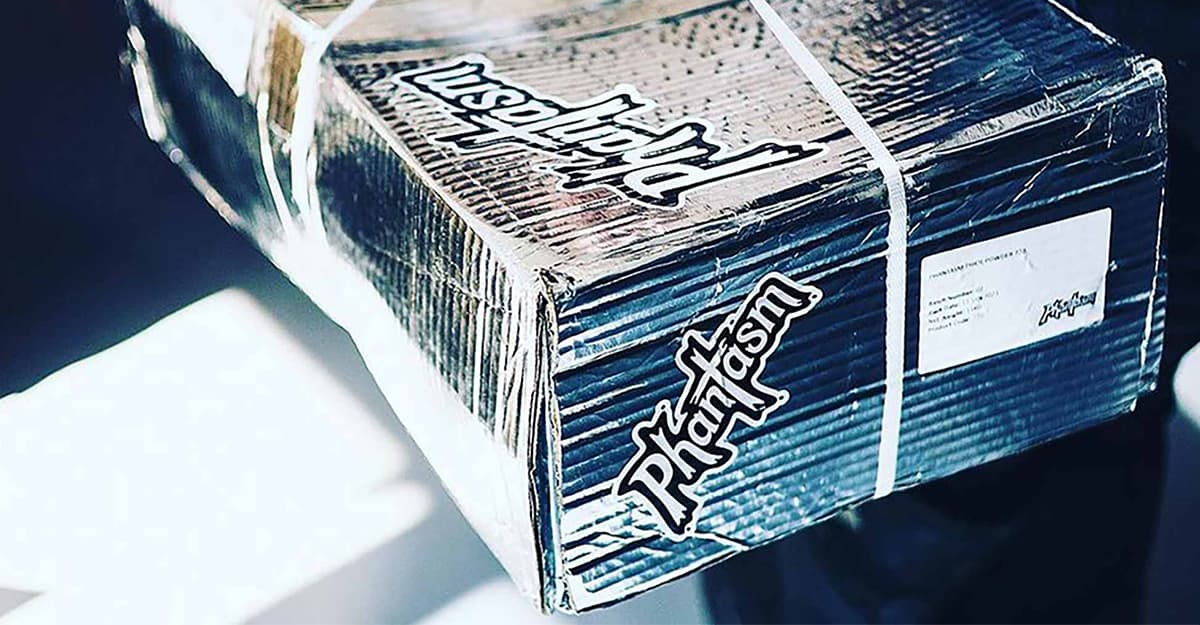
In the last of a three-part series focused on hop-related products that weren’t available to 20th century brewers, Stan Hieronymus examines the potential of a powder made from grape skins.

Labs and brewers are only beginning to discover the potential benefits of bioengineered yeast strains, from improving the flavor and quality of the beer to quicker turnaround time and potential cost savings.
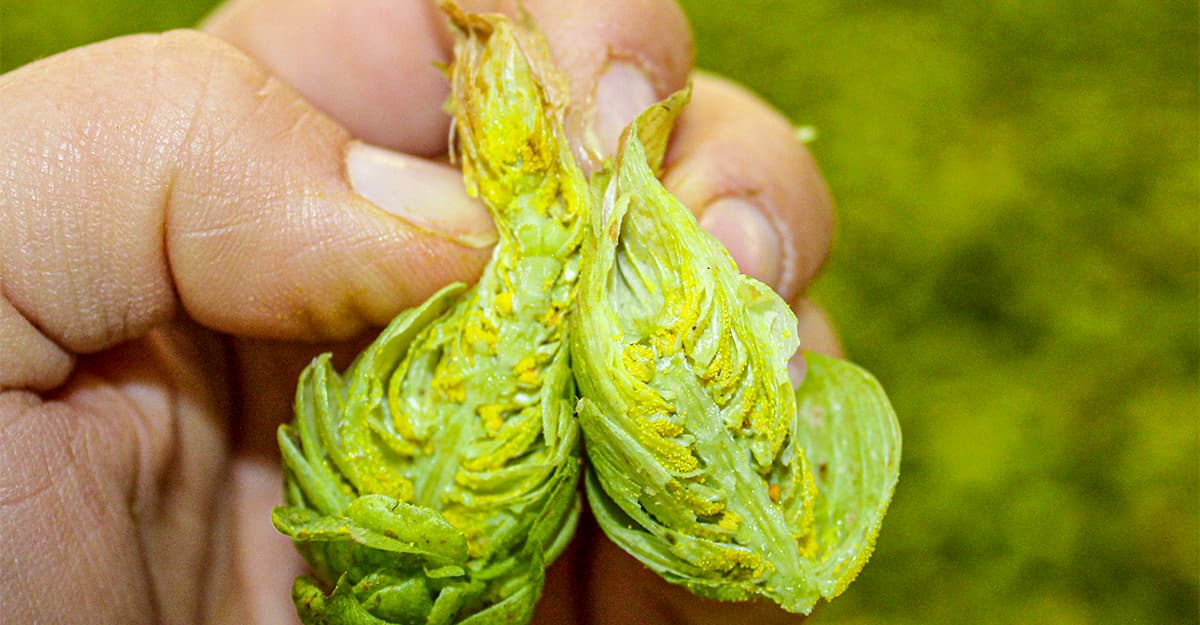
Hops vary from farm to farm, lot to lot, and year to year—but few variables have as much influence on the final aroma and flavor of the hops as when they’re harvested. Stan Hieronymus explains the developing science.
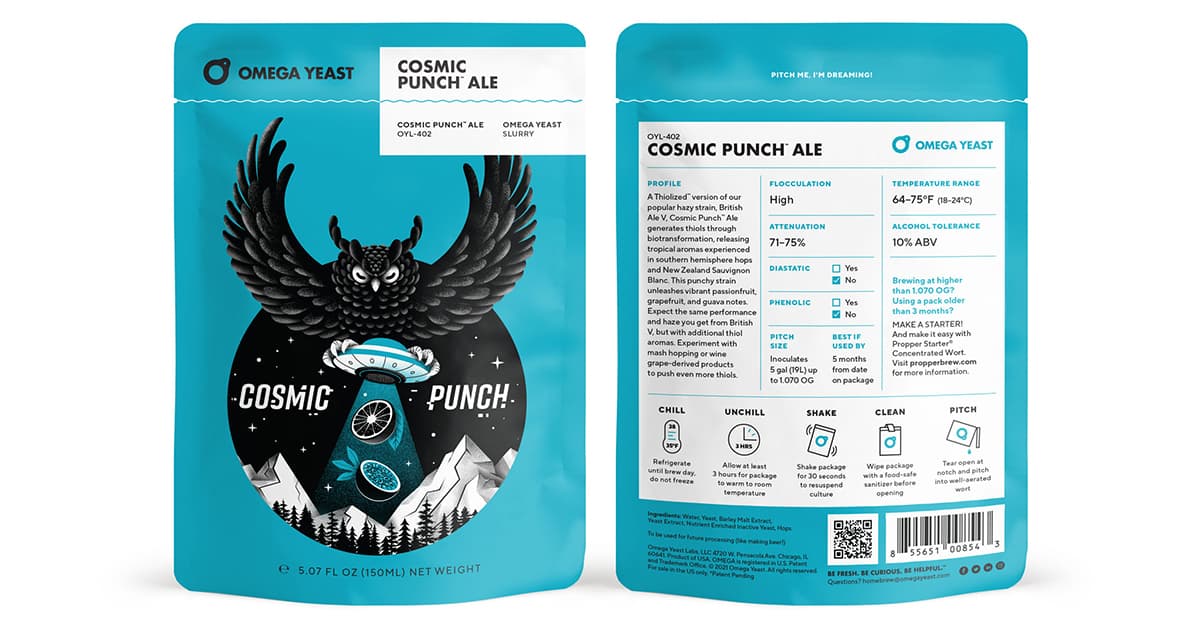
Here’s how new yeasts are taking advantage of genetic editing and modification to free up thiols—not only in hops, but also in barley malt—for more expressive tropical aromas and flavors.

There are “cheater” hops and there are “cheaper” hops, but the latter can also offer the big exotic aromas and flavors that are popular today. Stan Hieronymus has specific suggestions for varieties and how they might be employed in the brewhouse.