Hops Insider: Pinpointing the Perfect Pick Time for Better Beer
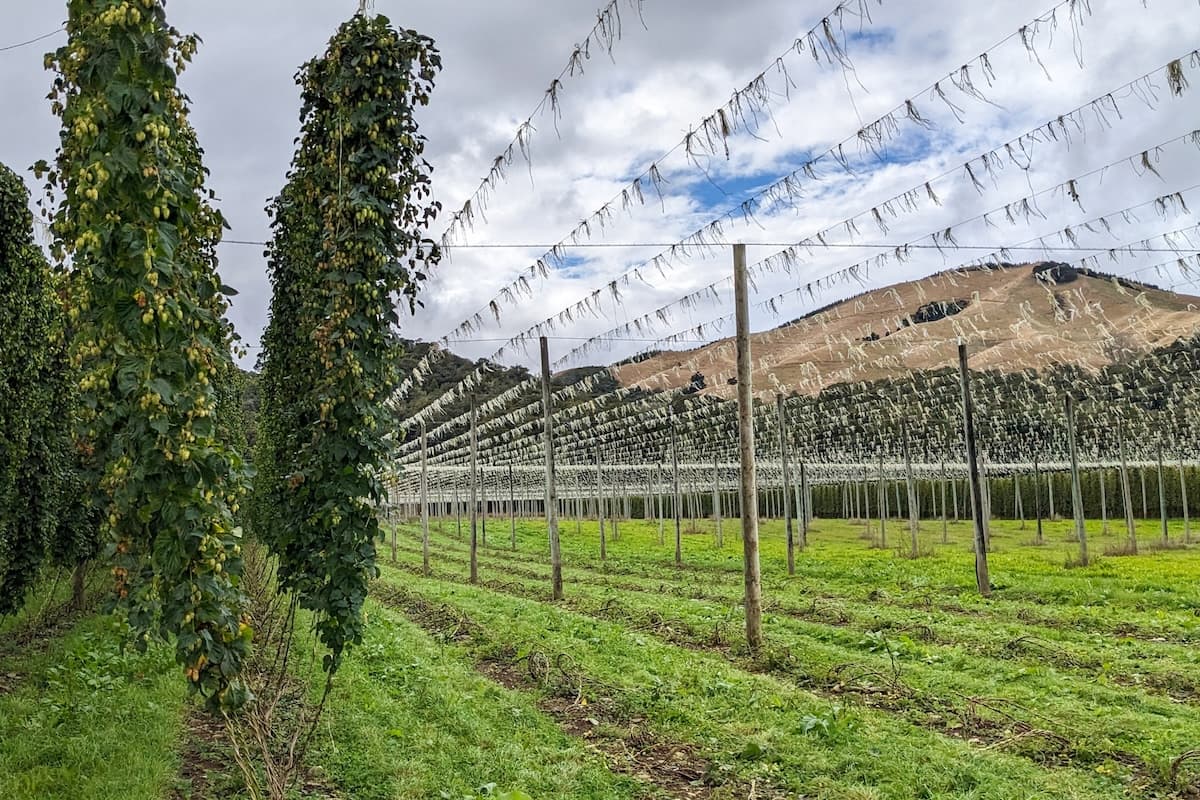
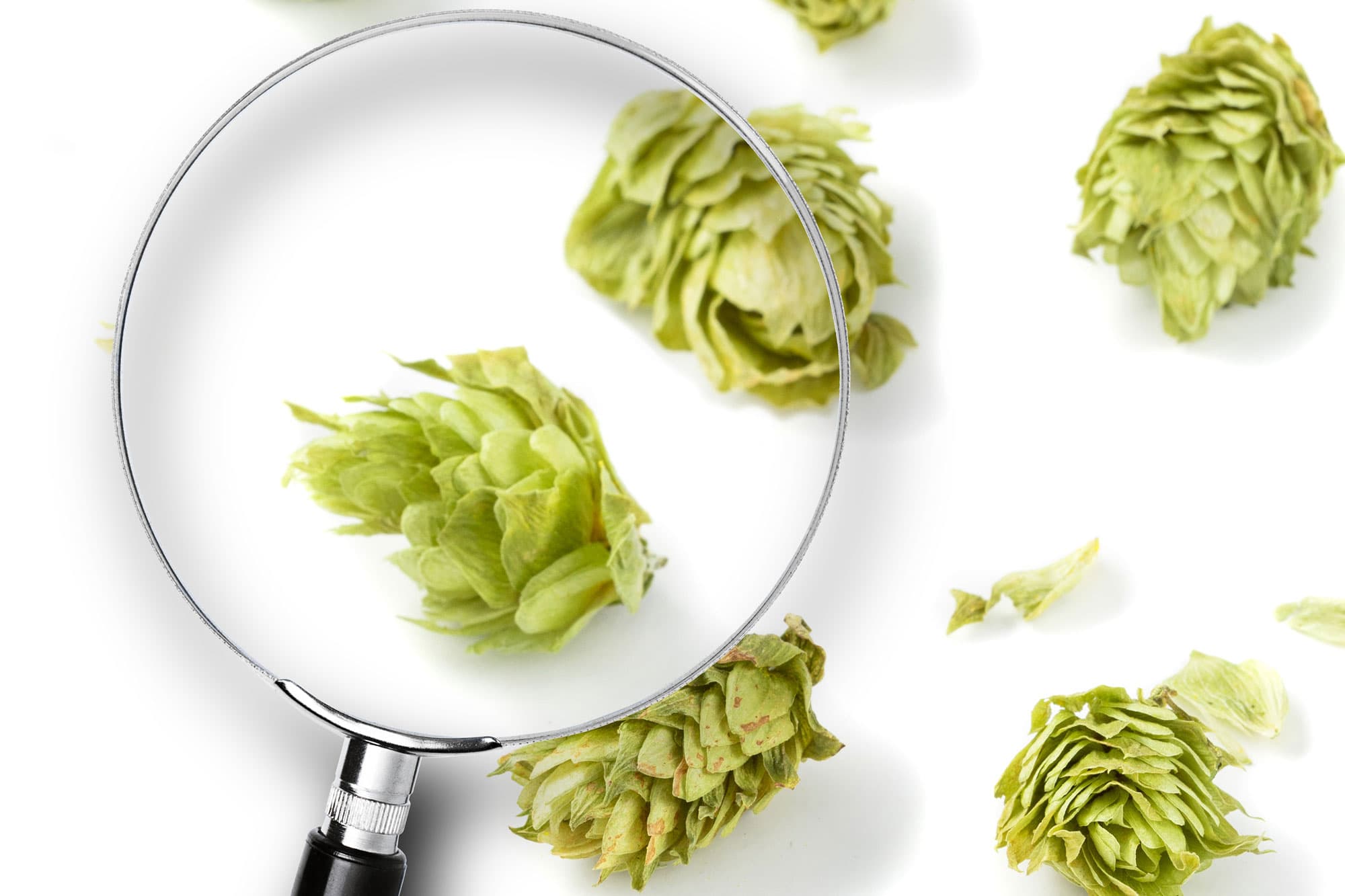
ALL ACCESSBacked by research, farmers are using harvest windows and hop maturity to enhance aroma and get brewers the profiles they want the most.
38 articles in this category

Backed by research, farmers are using harvest windows and hop maturity to enhance aroma and get brewers the profiles they want the most.

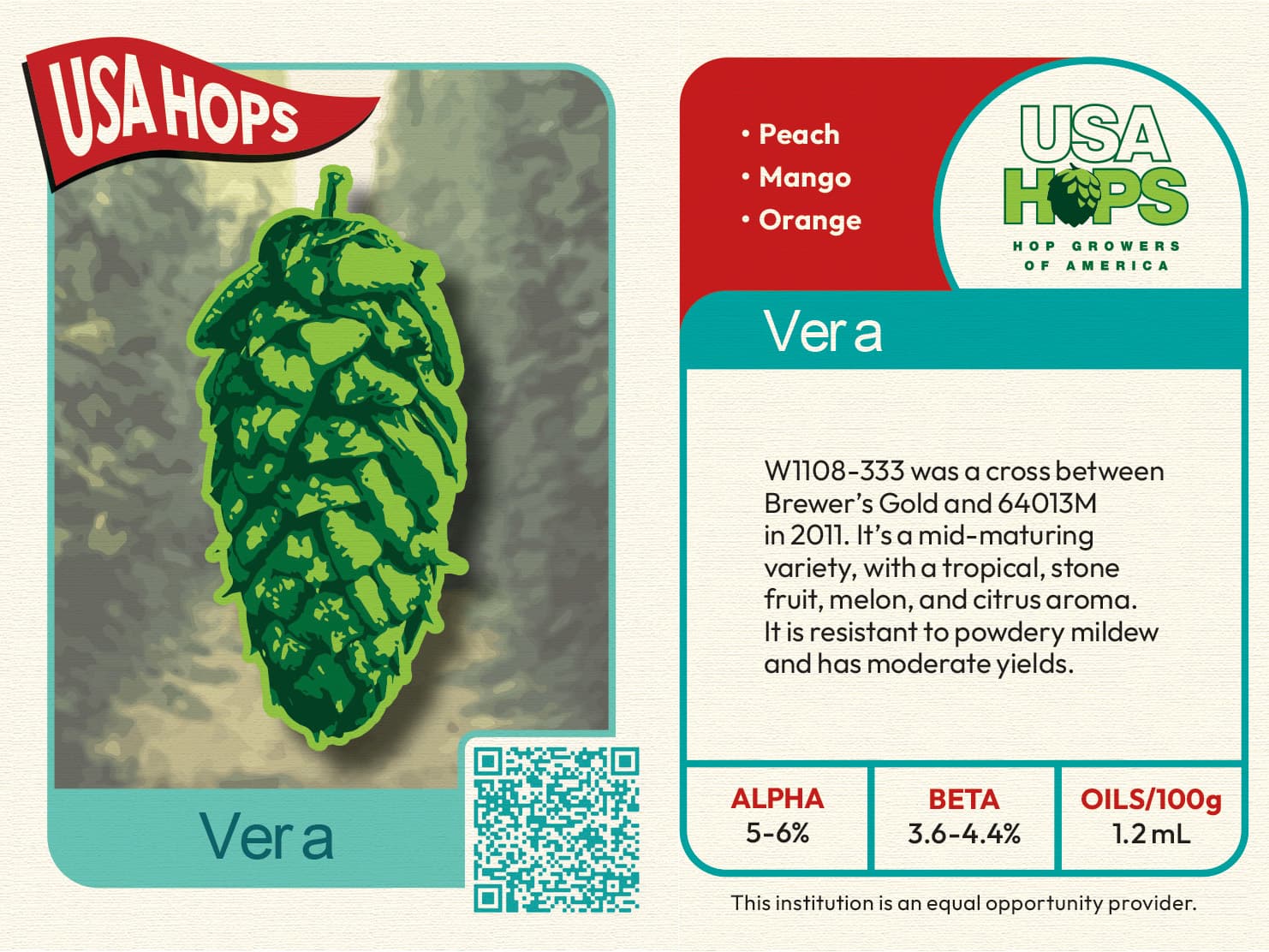
Public hops that any farmer can grow have their supporters, including the Brewers Association. Ultimately, however, the success of new varieties such as Vera and Thora will depend on demand from brewers.

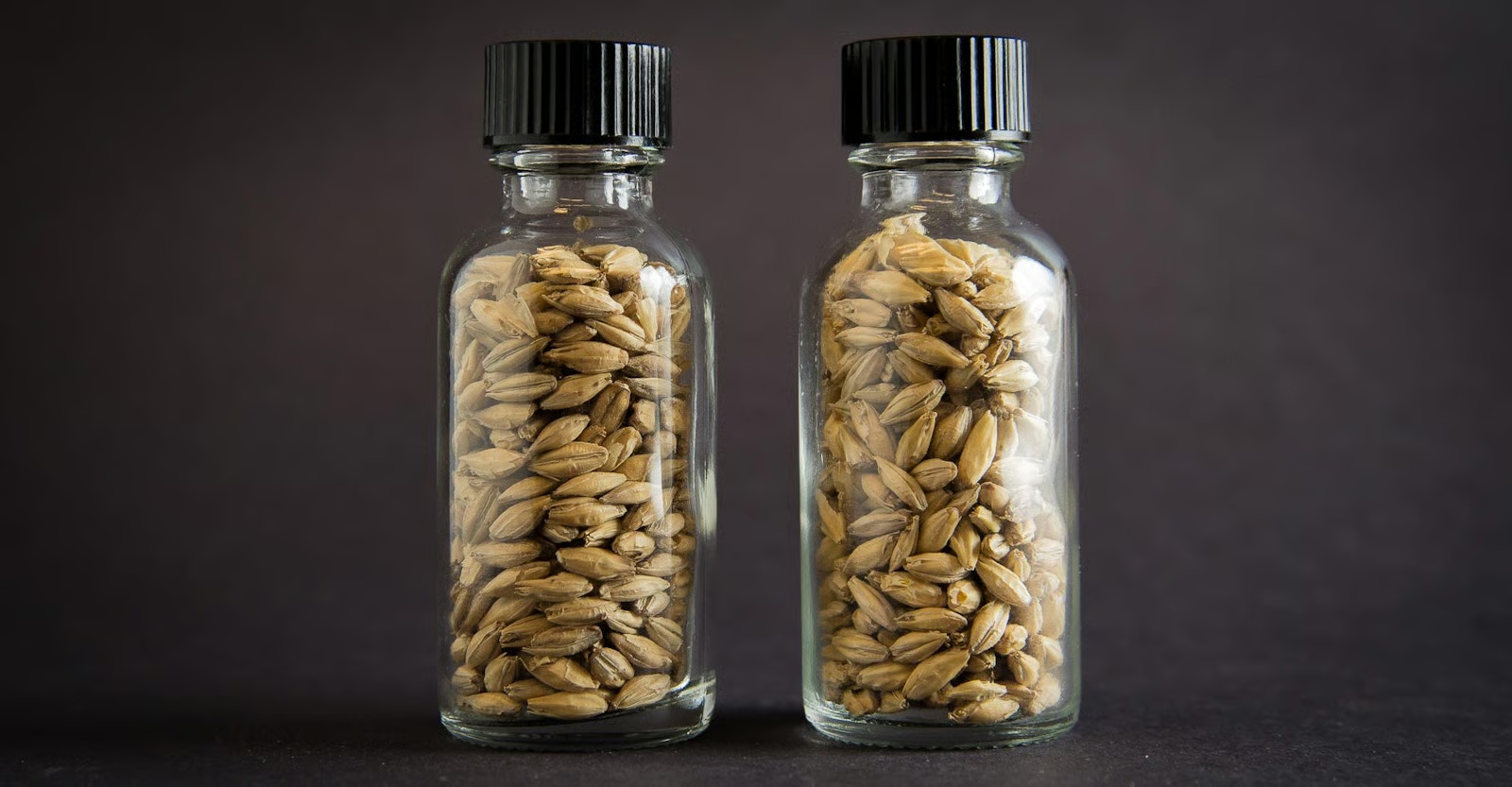
First developed by multinational lager breweries, hybrid malting barleys are now available that can extend shelf life while eliminating DMS and improving quality, among other possible benefits. Will smaller breweries find a use for them?

In today’s hop-forward beers, whirlpool additions contribute many of the IBUs—yet the results are less clear-cut than adding to the boil. Research—some new, some not so new—may provide direction.

Getting label approval for beers that include certain ingredients should be a simpler process after the addition of two dozen items to a list of those exempt from formula requirements.

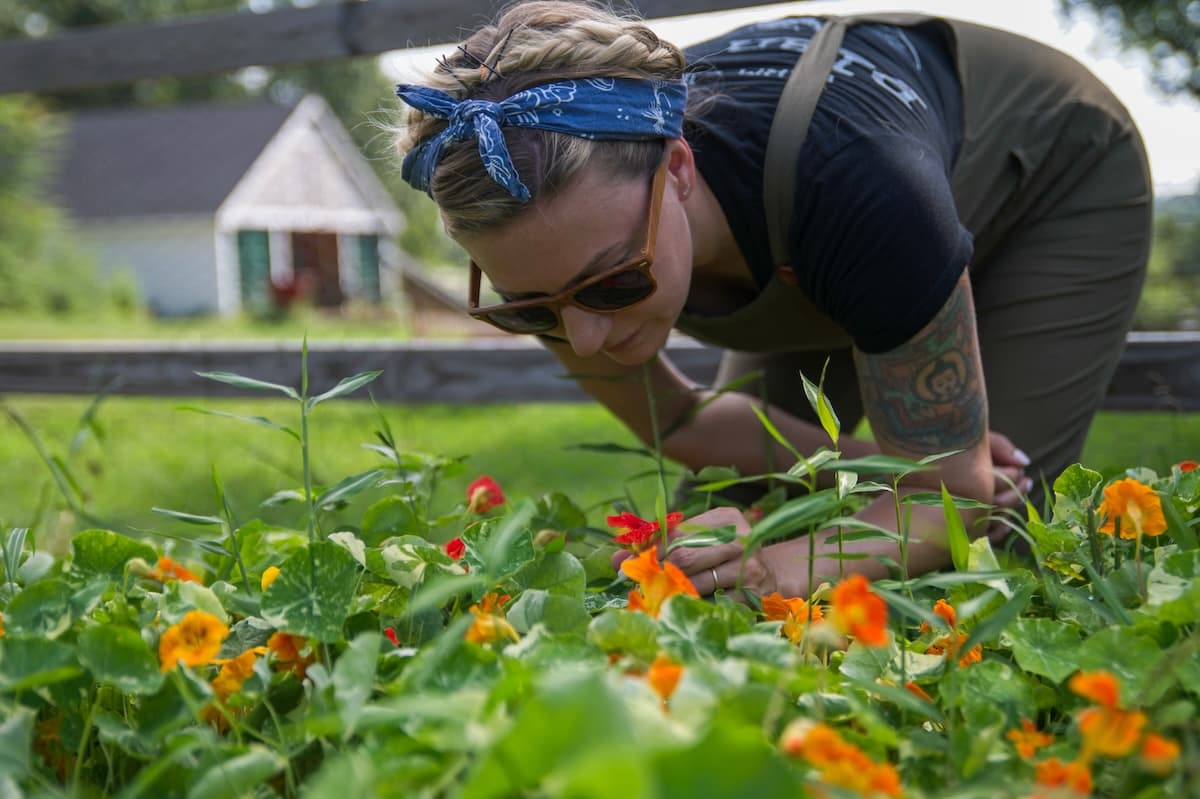
Beer is already made from plants, and foraging for local flavor is nothing new to terroir-focused breweries. So, what does it mean to brew with botanicals—and could your brewery capitalize on the trend?

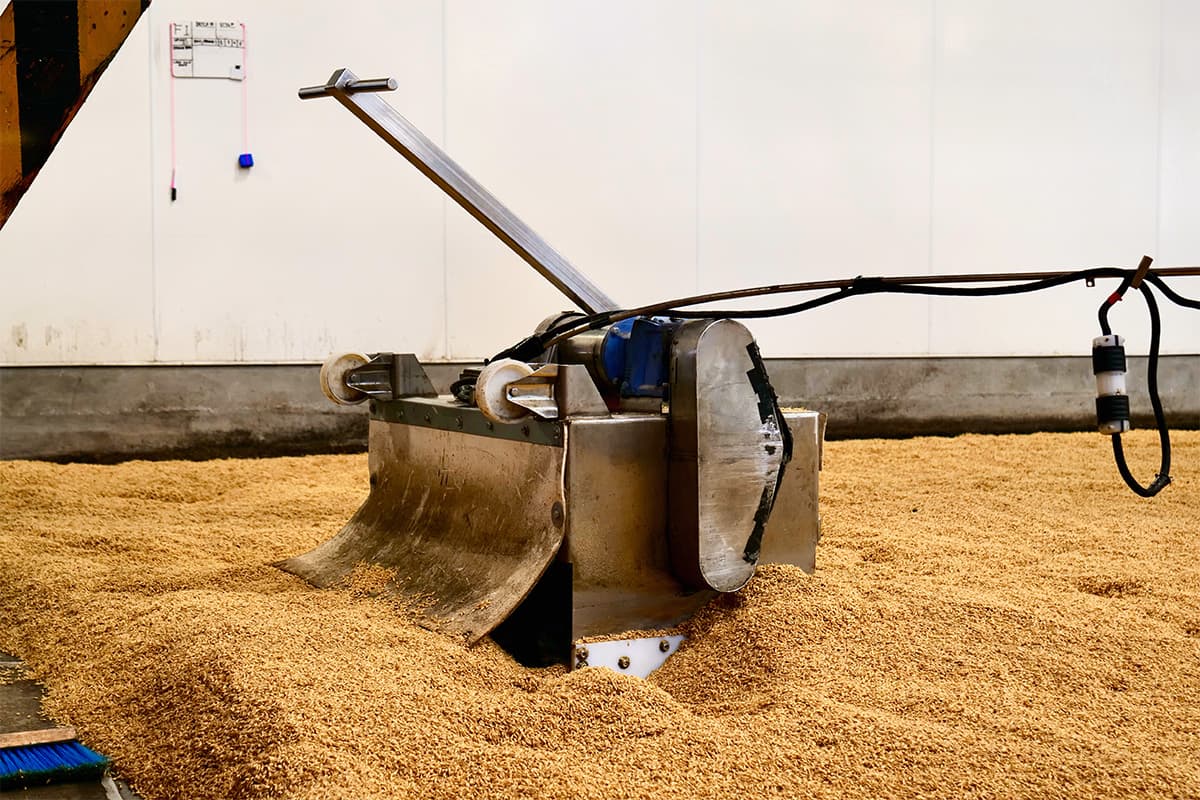
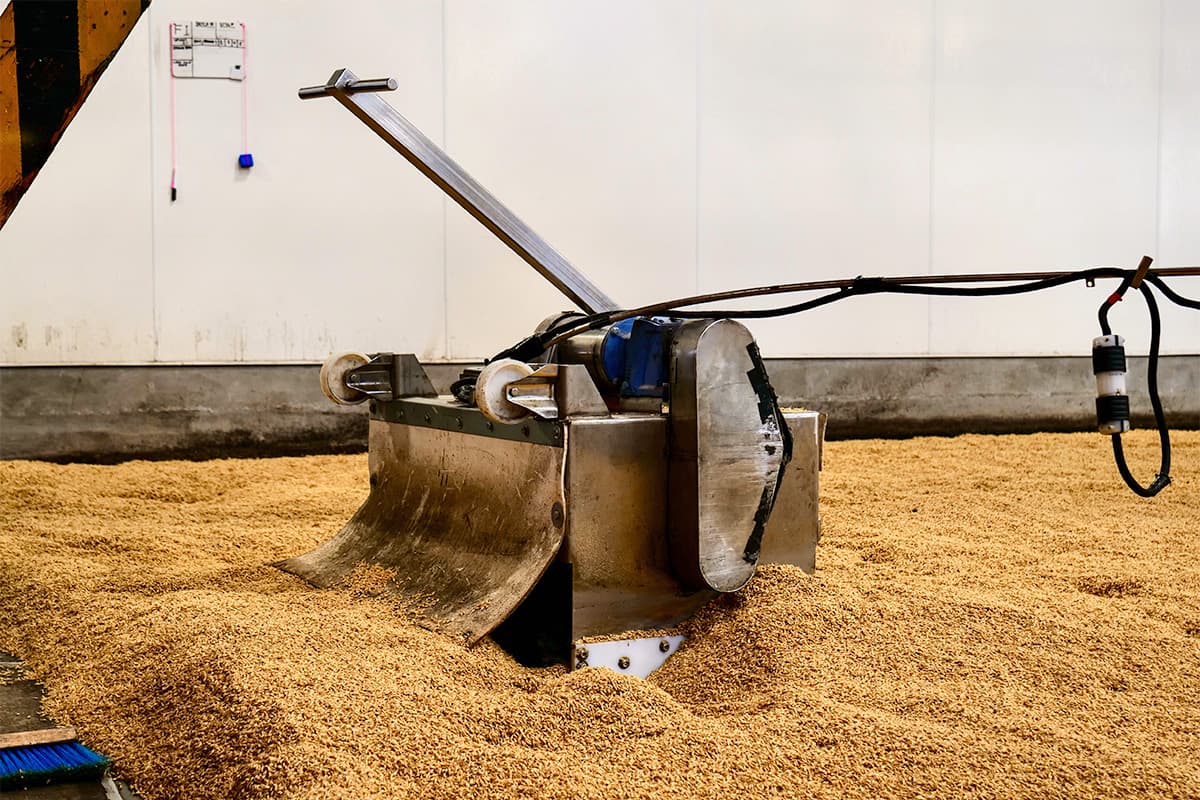
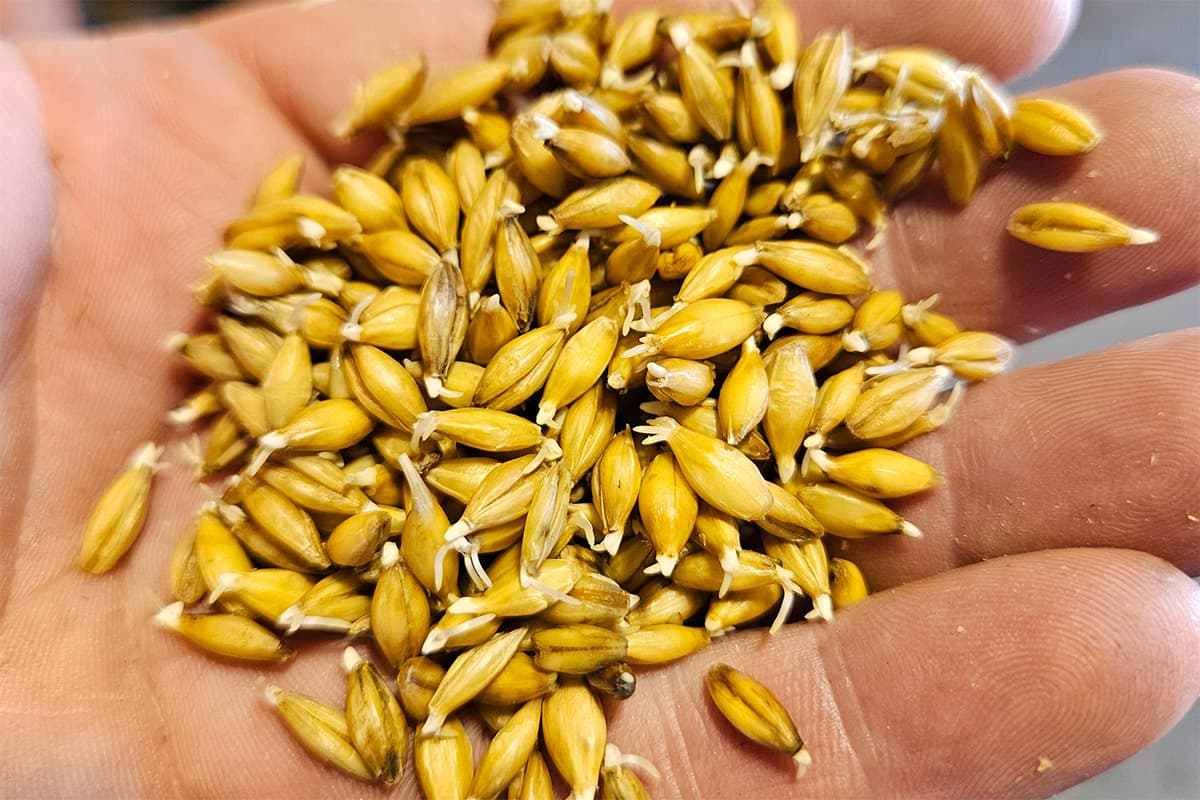
Could floor-malted barley provide an edge for your beers? It has old-fashioned charm and its share of fans, even if its differences with pneumatic malt are relatively subtle. However, new research is beginning to explore what makes floor-malted barley different.

Whether farm breweries are out in the country or right downtown, state licenses for them depend on flexible benchmarks for local ingredients. There are lessons to be learned for any state considering similar privileges for breweries that aim to buy local.

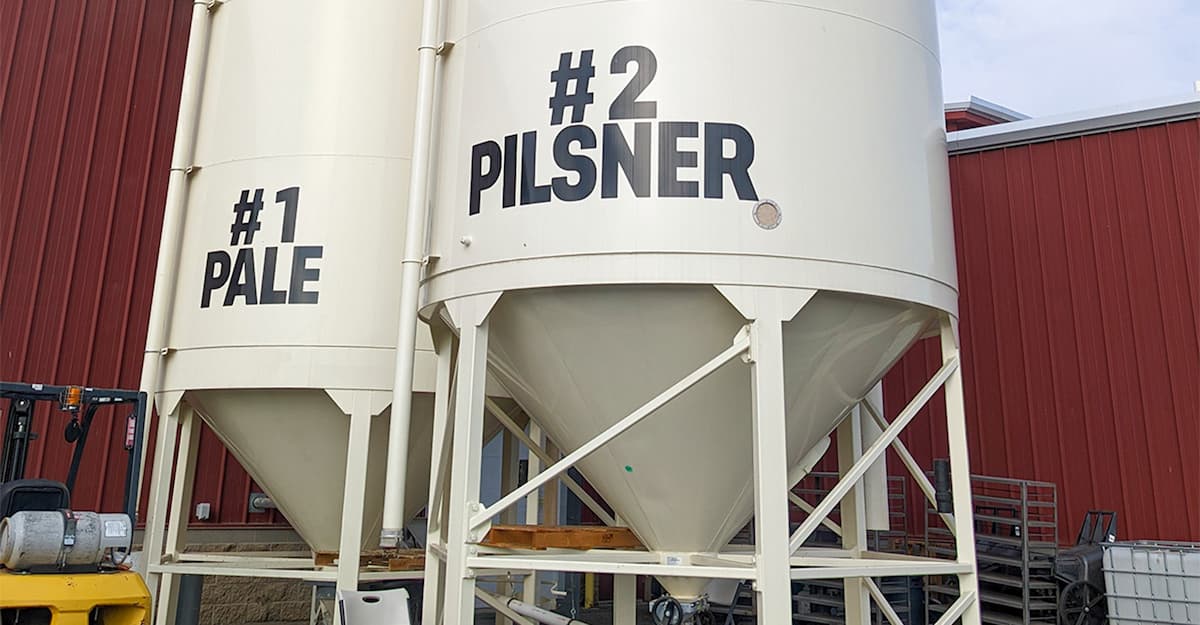
Whether it’s the various costs involved, location, conveyance, or keeping peace with the neighbors, here are some key considerations when it’s time for your brewery to bulk up.

Despite recent troubles with input costs and supply chain, the vibes coming from the malt market seem relatively calm and upbeat. Hey, let’s not jinx it.

Whether using whole fruit or purees, breweries benefit by estimating their needs in advance.

While malted corn isn’t always easy to work with, craft maltsters and brewers are figuring out how best to use what is essentially a new and flavorful ingredient. As interest grows, so will the options and the expertise.

A poor harvest in North America last year is combining with hot weather and war in Europe to constrain supply and raise prices. However, there are reasons to be optimistic. Here’s what you need to know to stay on top of your malt supply.

The Heidelberg-based maltster is inviting brewers around the world to brew an altbier with Bestmalz ingredients and enter their competition.

While hop harvest commences in the Southern Hemisphere, field work is already under way on many hop farms in the North. Here are some things that brewers should know about the season to come.

Weather conditions in 2021 led to a challenging barley crop—the smallest in the US since 1934—leaving maltsters scrambling while prices climb. How significant was the decline? Here, we plot the past decade of U.S. barley harvests.

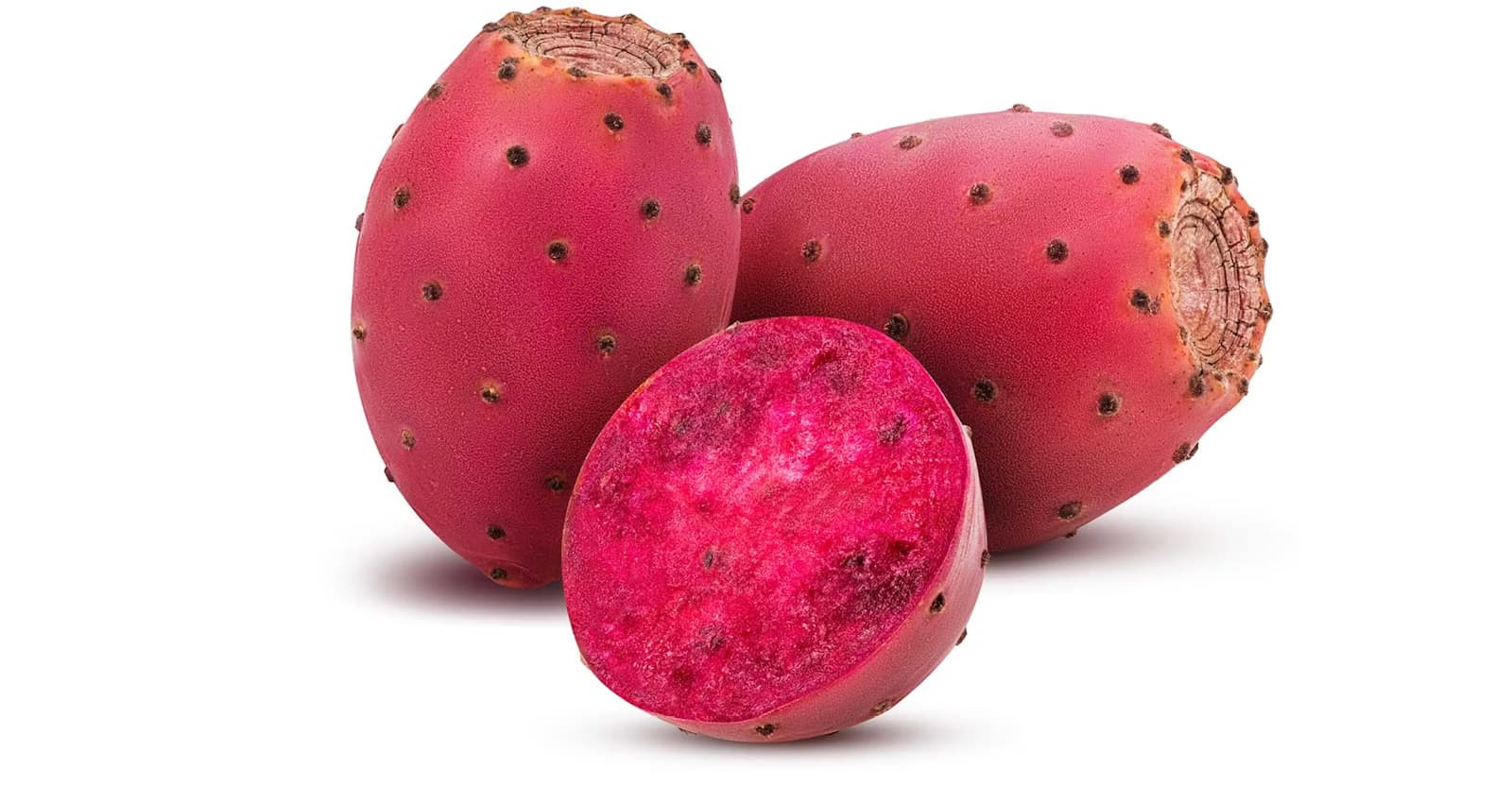
Money doesn’t grow on trees, but fruit does—and yet, it can be a finite resource. For all the talk of how climate could affect malt and hops, fruit is another raw material of modern beer that’s vulnerable to weather, as well as to supply-chain issues.

It’s an immensely complex task, but sensory science and chemical analysis are bringing us closer to understanding the relationship between barley genetics and beer flavor.

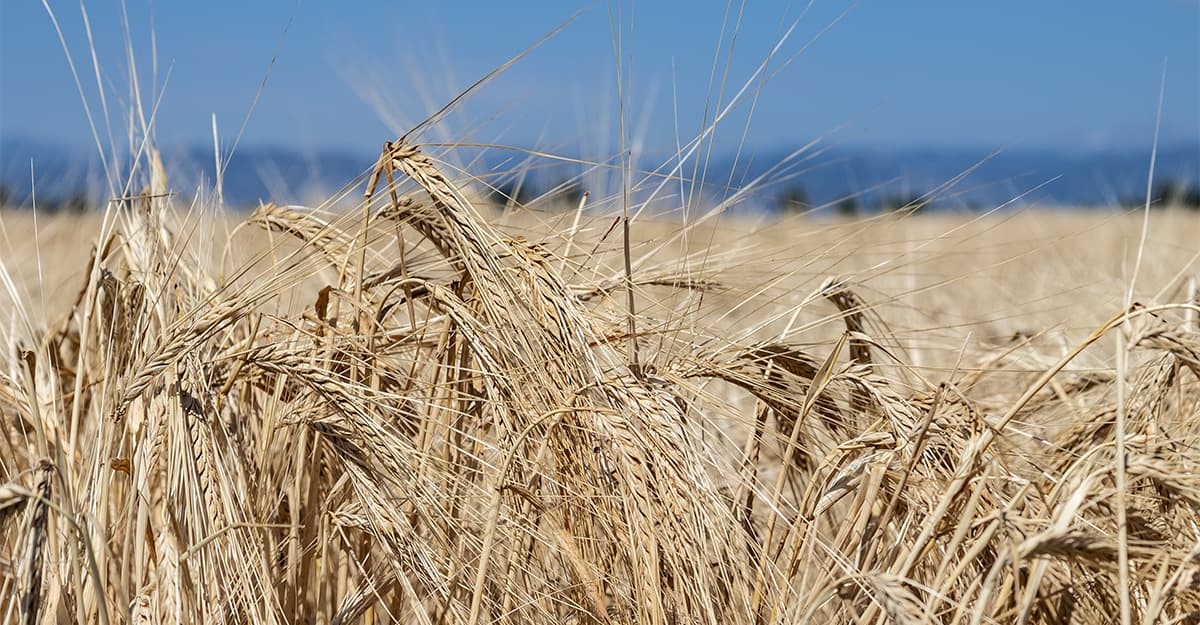
Efficiency and the needs of industry have dominated North American barley growing, limiting what’s grown and where. However, independent brewers seeking locally grown options are spurring the development of new, distinctive varieties in unusual places.

New hop-derived products for aroma and flavor are appearing faster than brewers can learn how best to use them. Stan Hieronymus is here with a primer.