How Smaller Breweries Can Think Bigger for Off-Premise Sales
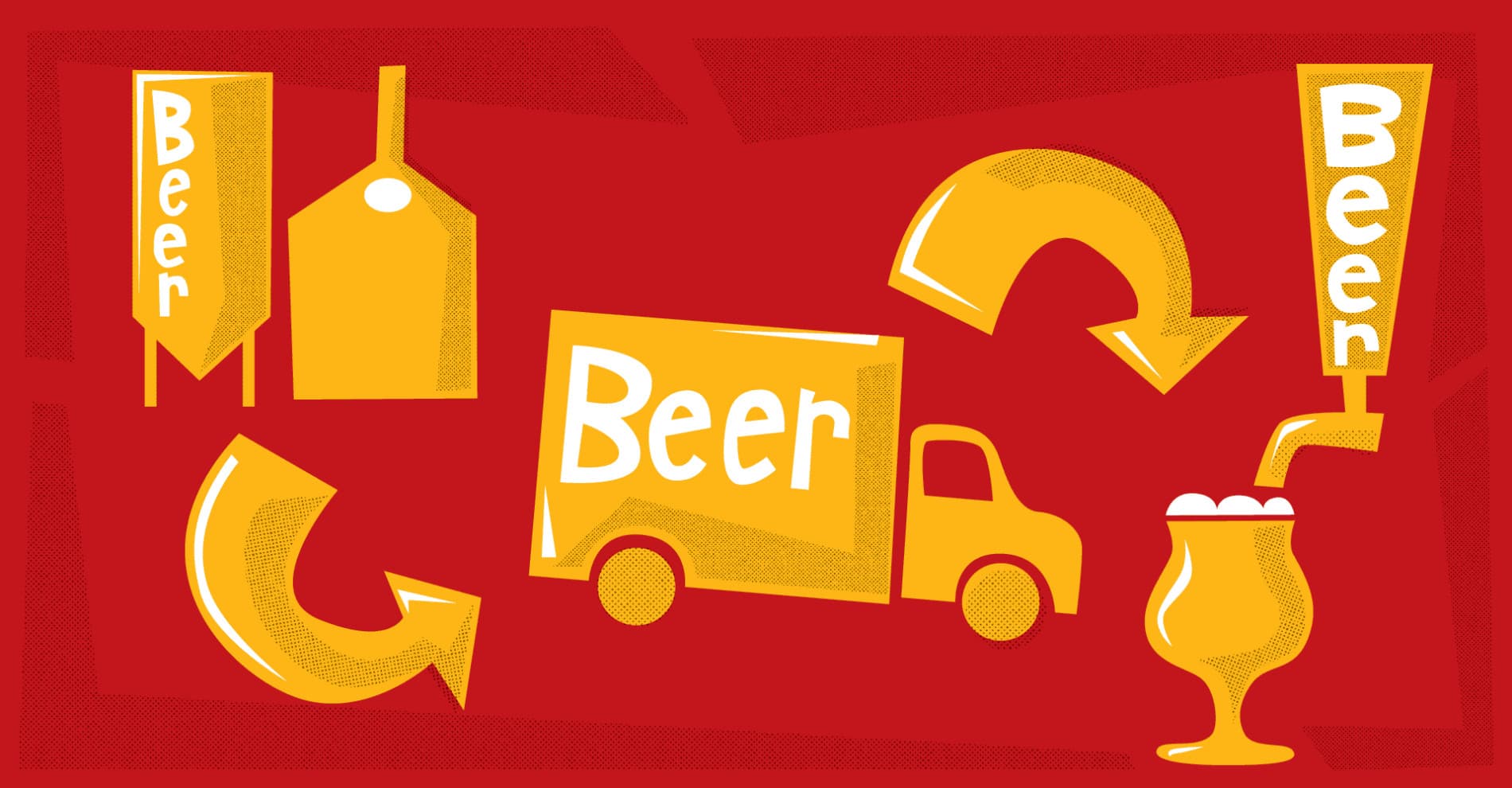
When it comes to growing sales beyond the taproom, even smaller breweries can professionalize and secure wins.
95 articles in this category

When it comes to growing sales beyond the taproom, even smaller breweries can professionalize and secure wins.

Rising costs and geopolitical instability make this another year in which forecasting and procurement demand small breweries’ utmost attention.

Much of the real work of selling beer happens at the bar—and it often starts with a question. Here’s how to ready your taproom team with the answers that satisfy customers and promote sales.

Security for your brewery’s staff, guests, and property starts with proper preparation.

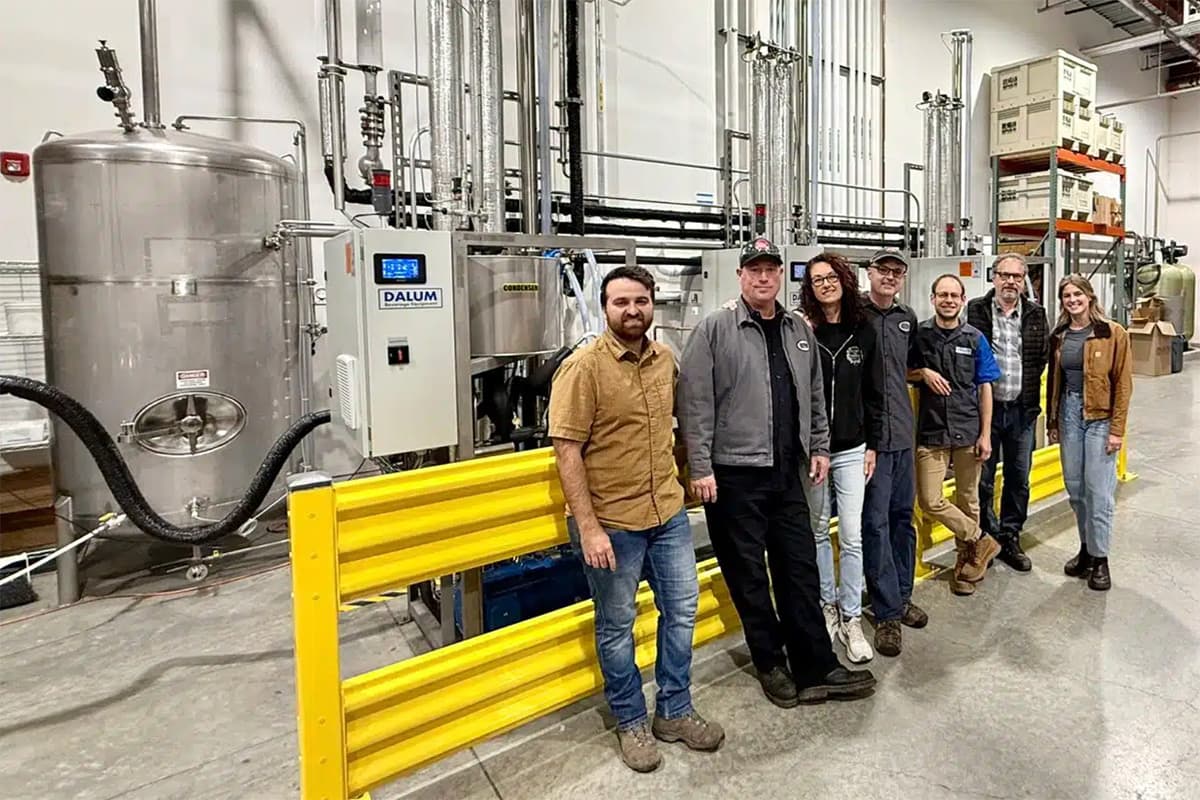
Once the purview of large-scale production plants, recovering the carbon dioxide produced during fermentation is increasingly viable for smaller craft breweries—and it’s increasingly popular, too.

Whether it’s a table beer that expresses terroir or a bare-bones local lager that lets its ingredients shine, there may be opportunities for small breweries to tap into a segment of wine that’s buzzing.

Artificial intelligence is here, and brewing will never be the same. But will it be death from a thousand cuts or a million little improvements?

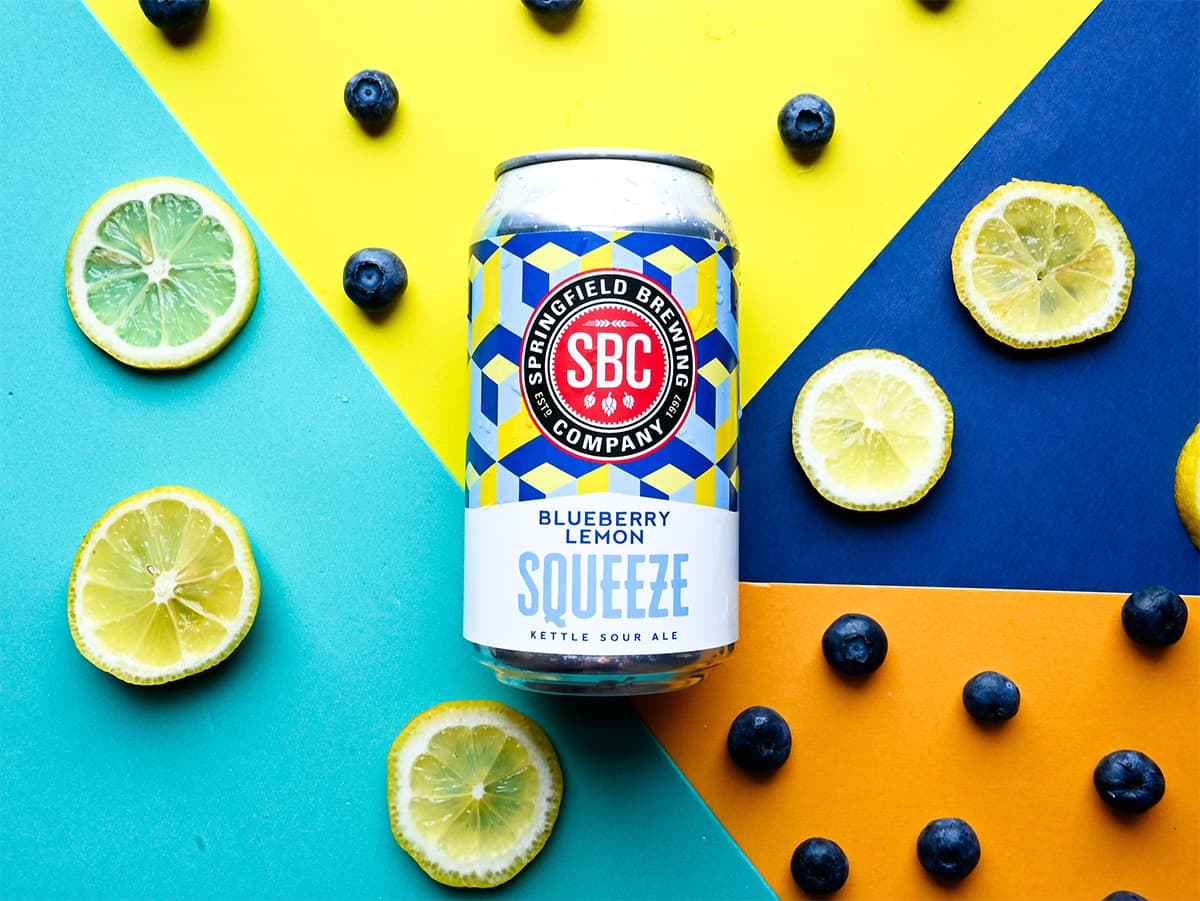
When done thoughtfully, fruited sours, spiked sodas, and even hard seltzers can address many of the same drinker demands as RTD cocktails.

These hospitality veterans are leveraging a quirky location and daylight synergy with coffee and cocktails to tune a vibe that's in sync with their city.

Amid the attractions of Atlantic City, Amanda Cardinali’s farmhouse-inspired Living Beer Project has taken root, embracing New Jersey ingredients, an open-ended creative process, and passion projects that intrigue customers.

An unusual residency program at Georgia’s Creature Comforts goes beyond other beer collabs, potentially serving as a model for those looking to build new paths of opportunity in the industry.

In the hills of rural eastern Ohio, you won’t find Wooly Pig Farm Brewery by accident. Yet with an accomplished brewer who brews only unfiltered lager, sells it all on-site, and feeds spent grain to the hogs, there are plenty of reasons to find it on purpose.

Whether through consolidation or layoffs, a brewery can lose its point of contact at a wholesaler. Here’s how to keep sales on track while strengthening your partnerships in the middle tier.

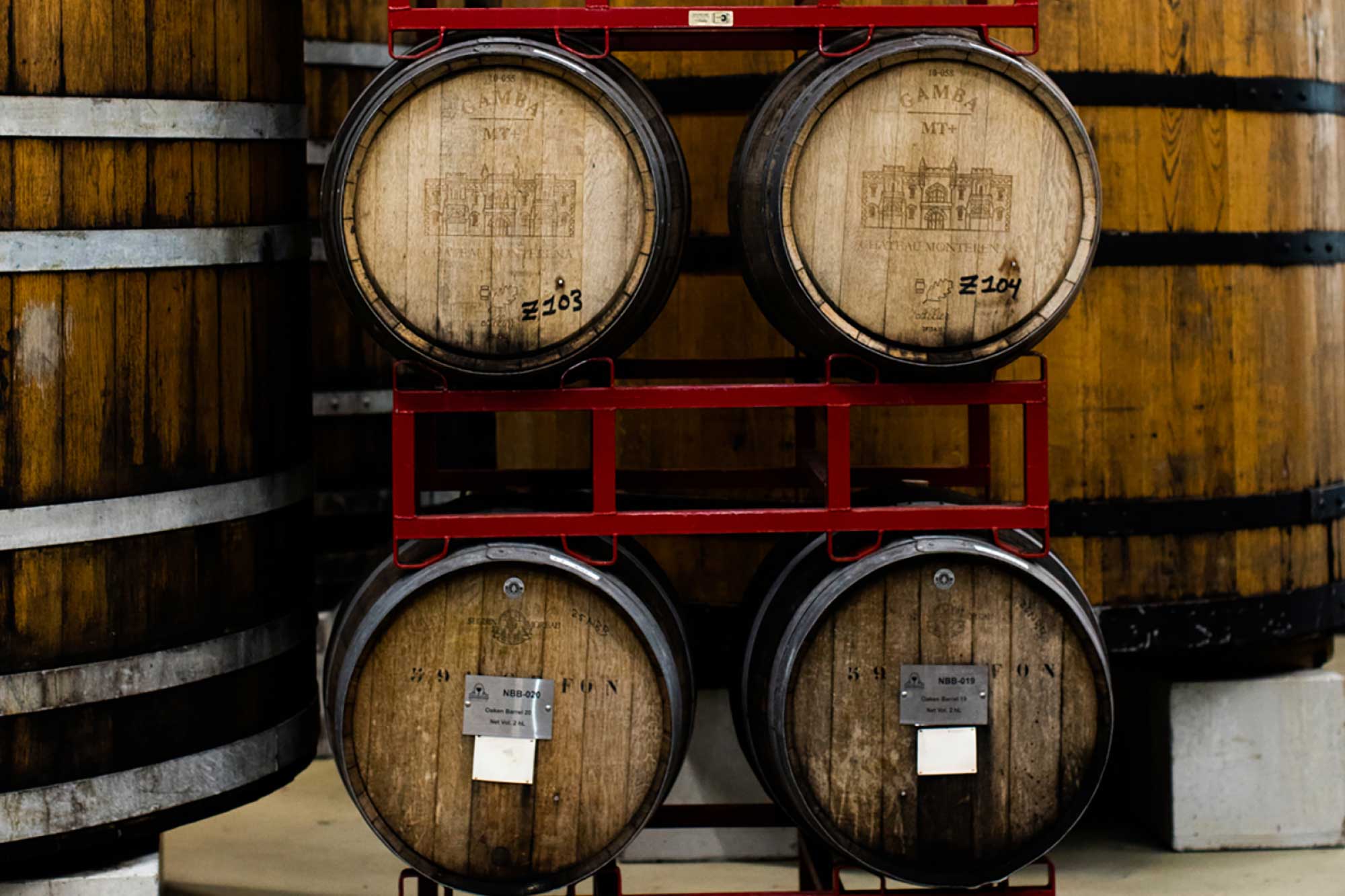
The old tech of the oak barrel still works beautifully in the brewery—but it does need a nice, solid thwack with the mallet now and then. Brewers are already janitors, plumbers, and microbiologists, among other things. Might as well add coopers to the list.

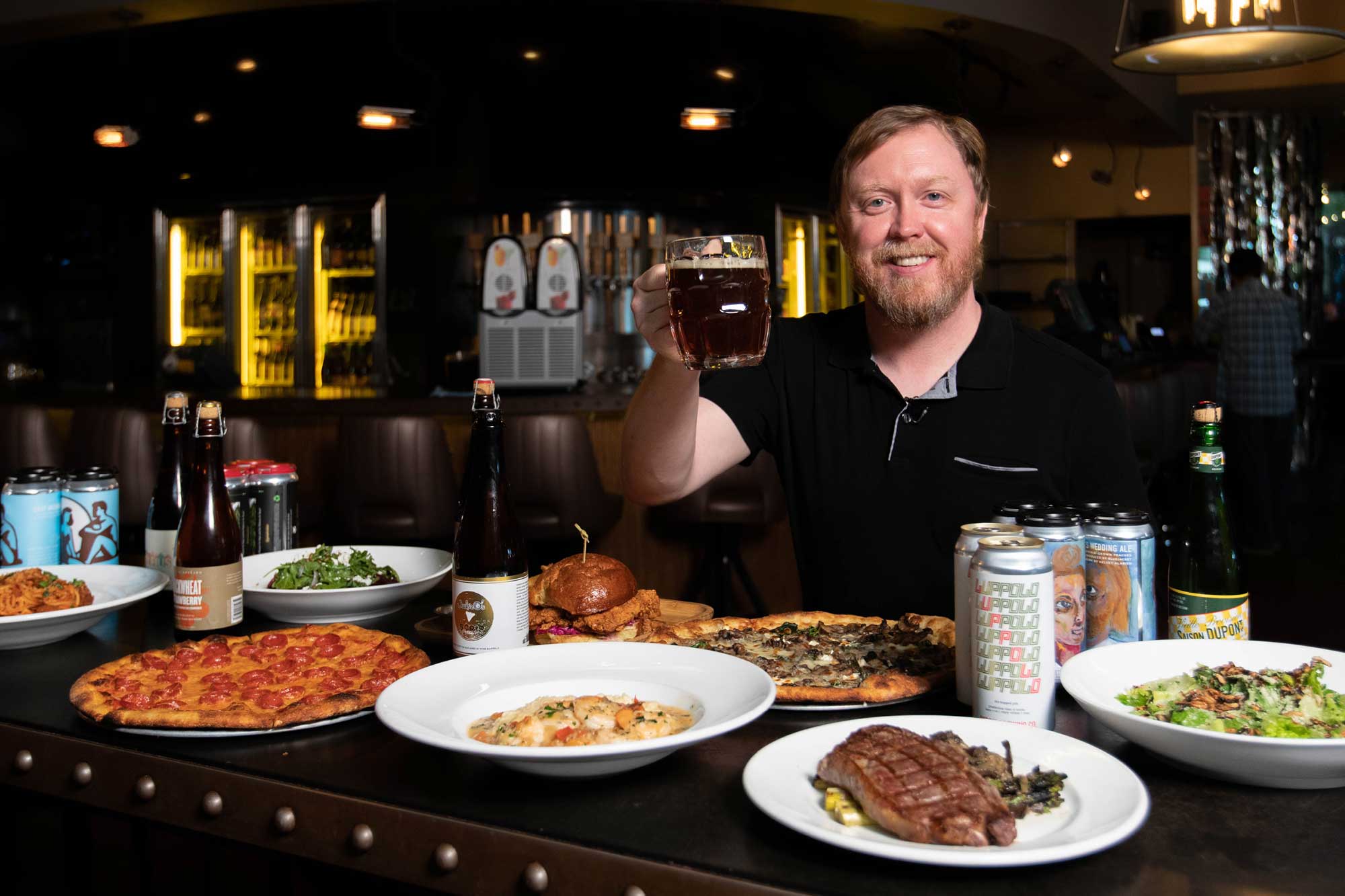
By taking some new approaches to pairing beer and food, we can energize the craft-brewing scene and create the kinds of experiences that keep people coming back for more.

Without wavering from its core beers or mission, this 15-year-old brewery is enjoying steady growth and planning for more. Here’s what its team has learned about the merits of staying true to the principles that got them there. (It helps when people are always ready for Lunch.)

The farming practices are still new and not always clearly defined, but supporters of regenerative agriculture make the case that it could lead to better grains, better beer, and happier farmers.

Seeking capability rather than job-specific experience while cross-training your staff on a variety of tasks can reap dividends. Here’s how some brewery operators are looking at hiring in a new way that strengthens their teams and offers competitive advantages.

Amid wholesaler consolidation and a tightening market, could alternative distribution methods help small breweries achieve their goals?

Going beyond barley into ancient grains can be a way to form stronger connections with local farmers, promote sustainable agriculture, and produce more distinctive beers.