
Infographic: Returning to Healthy Hops Balance
Spanning two decades, here’s a glance at the numbers on the quantity of hops being kept in storage—an important indicator for the health of the hop market.

62 articles in this category
Spanning two decades, here’s a glance at the numbers on the quantity of hops being kept in storage—an important indicator for the health of the hop market.
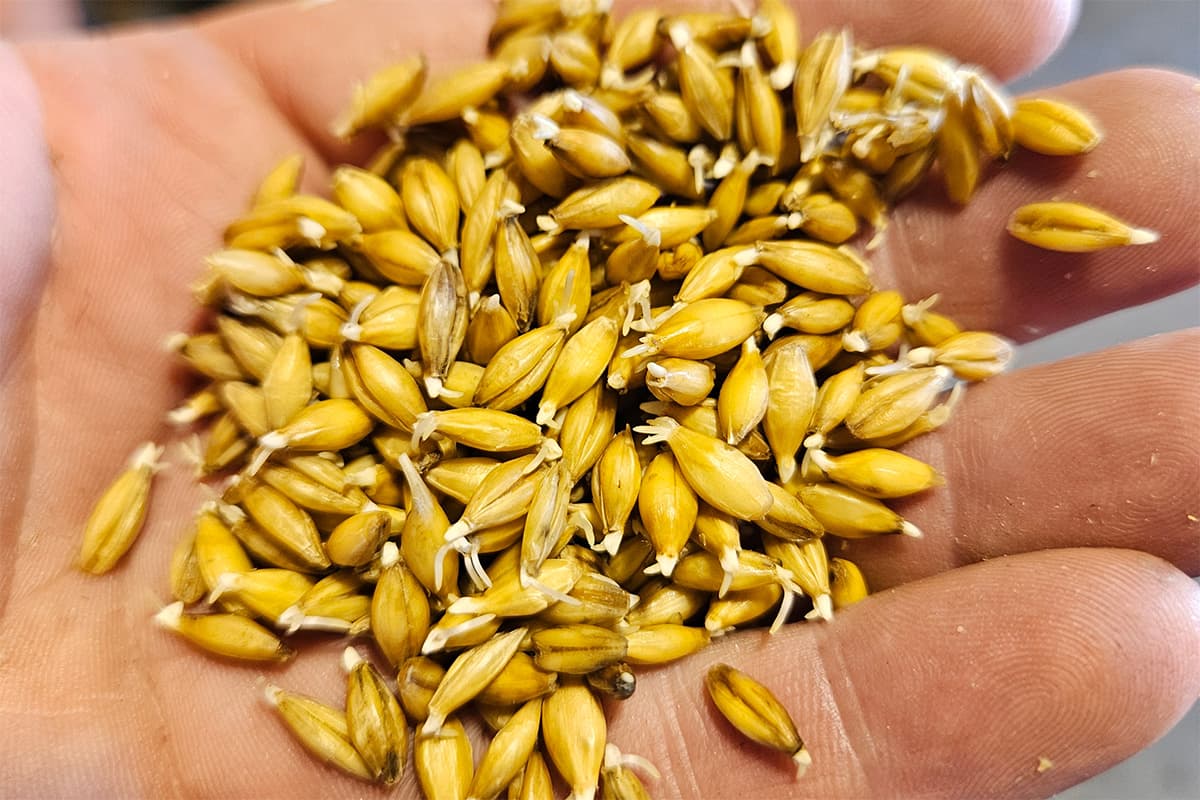
Once seen as a luxurious adventure—with high prices and inconsistent quality—local malts with fresh, unique flavors are winning over some brewers, even as the costs of imported malts rise.
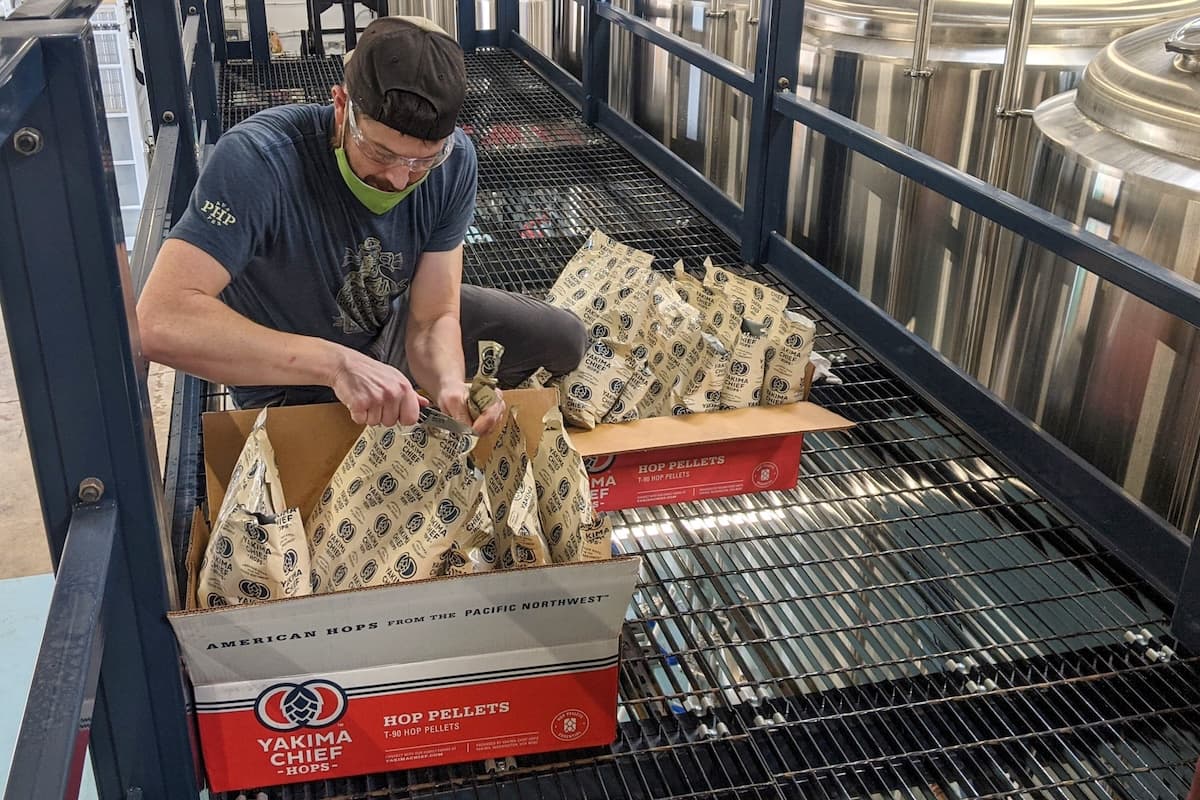
Before you commit to using the newest new hop variety, it may be wise to consider how many different varieties your brewery can—or even should—use.
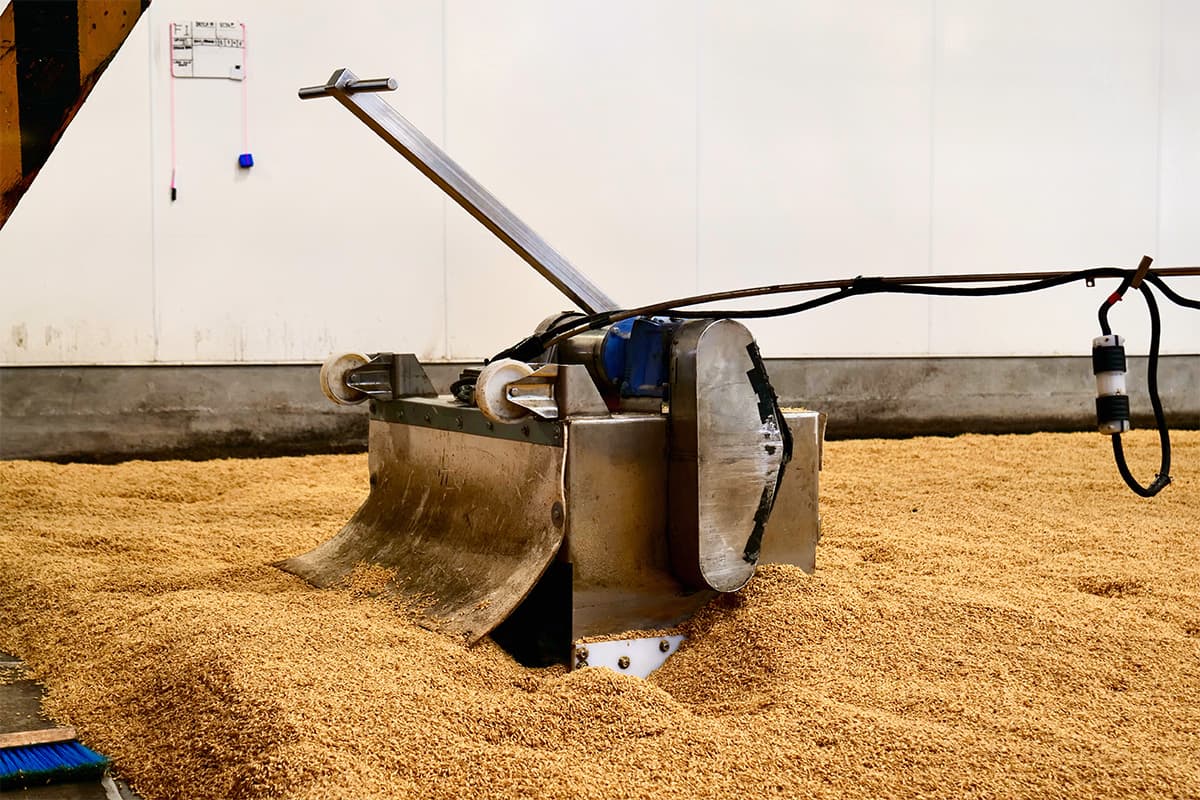
A new category in the 2026 Great American Beer Festival competition aims to raise the profile of craft maltsters and their offerings. Here’s what the malt-minded pros suggest for brewing up an entry—and it starts with collaboration.
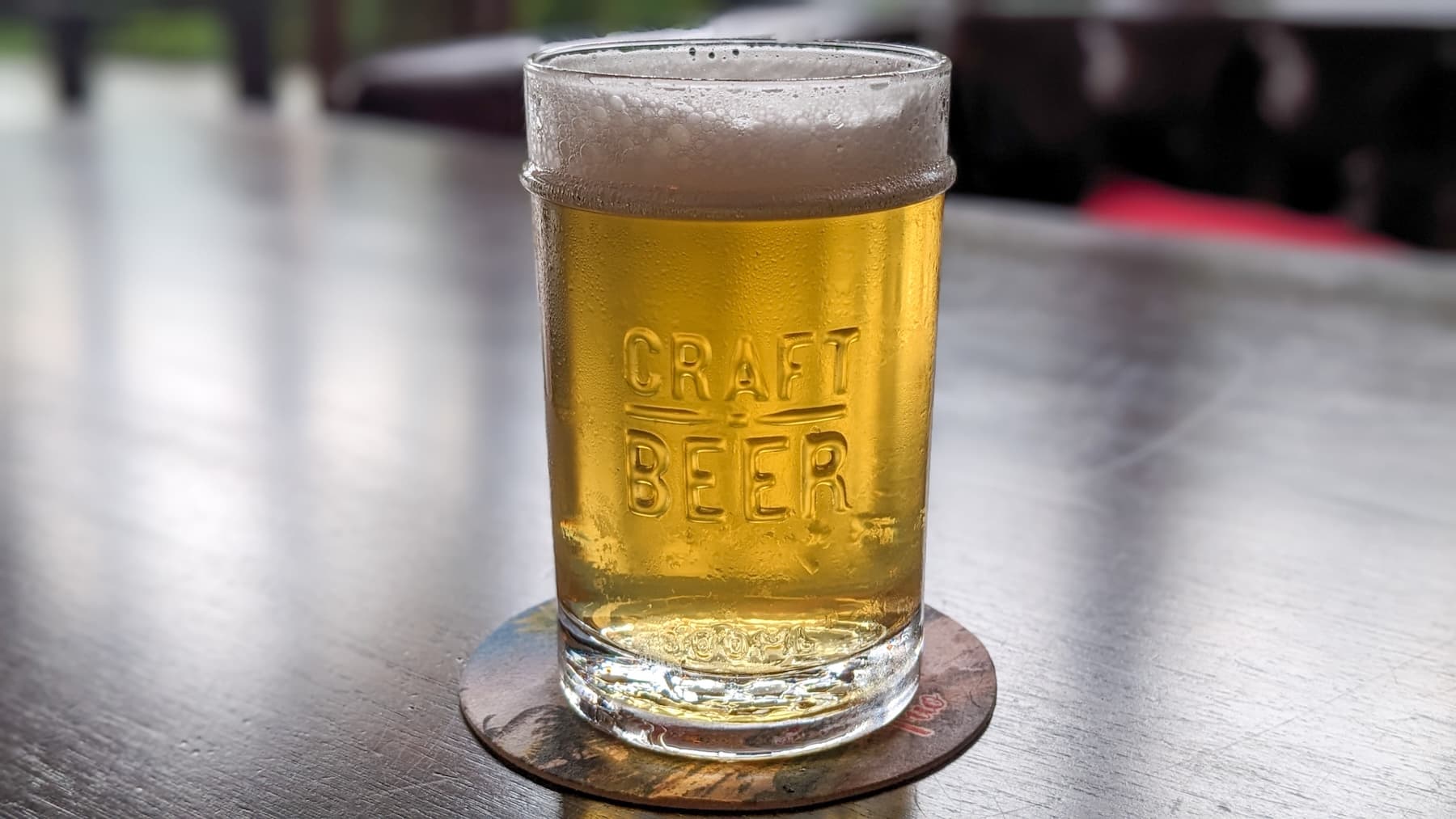
As craft lager matures, many brewers are coloring outside the lines of classic European styles by embracing American hops that offer similar character but better agronomics, consistency, price—and the chance to make something new.
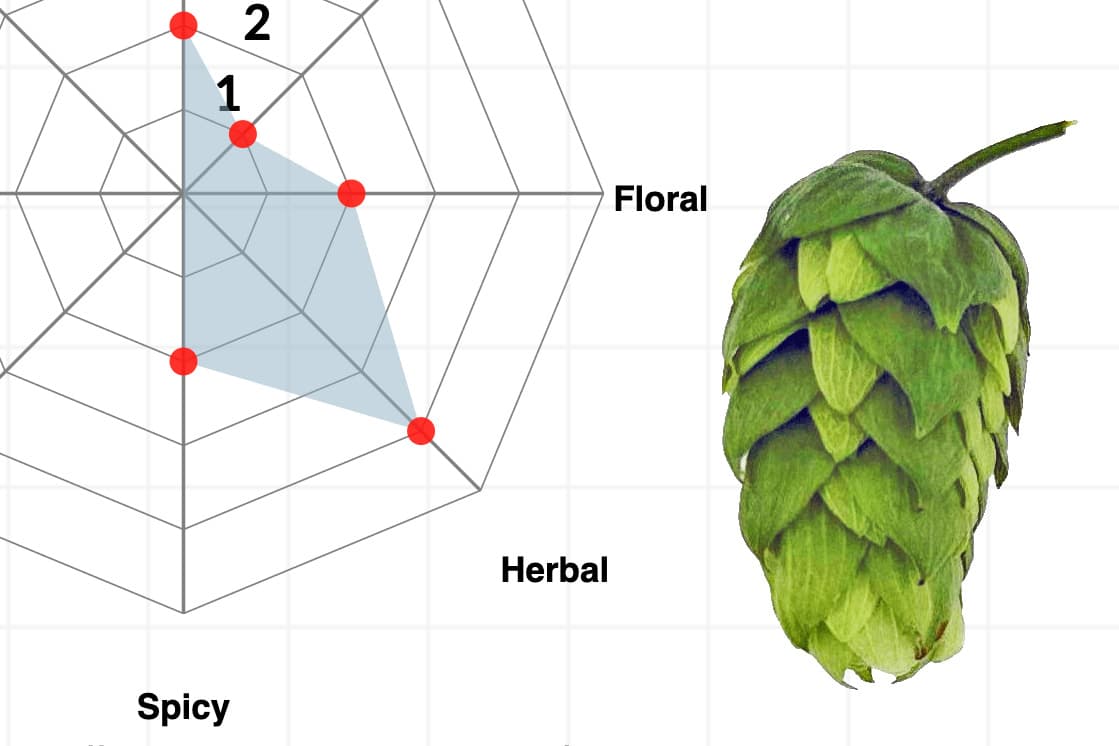
American brewers are “incredibly articulate” when it comes to IPA hops. What do they have to learn about lager hops? To get up to speed, they may need to go beyond the rub.
There are plenty of levers that brewers can pull to help their hop-forward beers taste fresher, for longer, out in the wild.
The stats that come with your malt can be a challenge to decipher, but cracking that code can lead to better, more consistent beer. From brewers and maltsters who know the scores, here are tips on how to make the best use of them in your brewery.
From pandan to seaweed, there are certain flavors catching on with consumers. For breweries willing to experiment, it might be possible to capture some of that buzz.
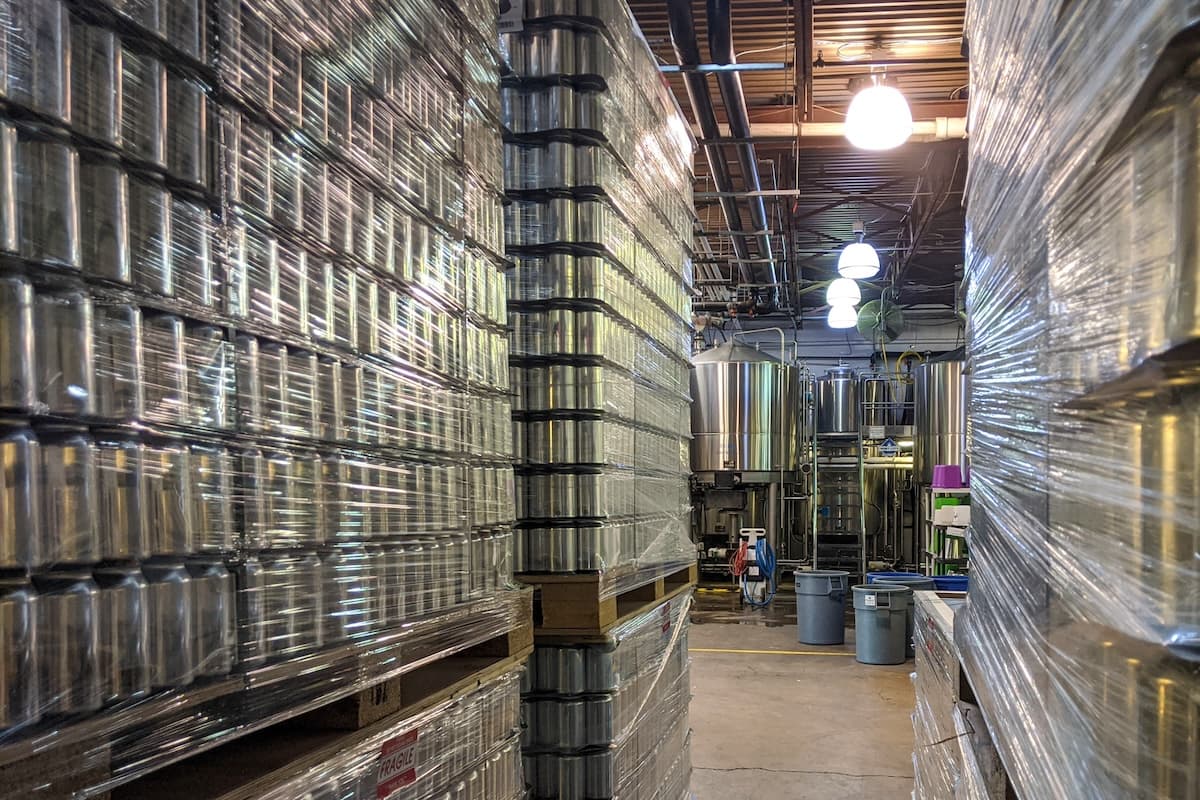
Rising costs and geopolitical instability make this another year in which forecasting and procurement demand small breweries’ utmost attention.
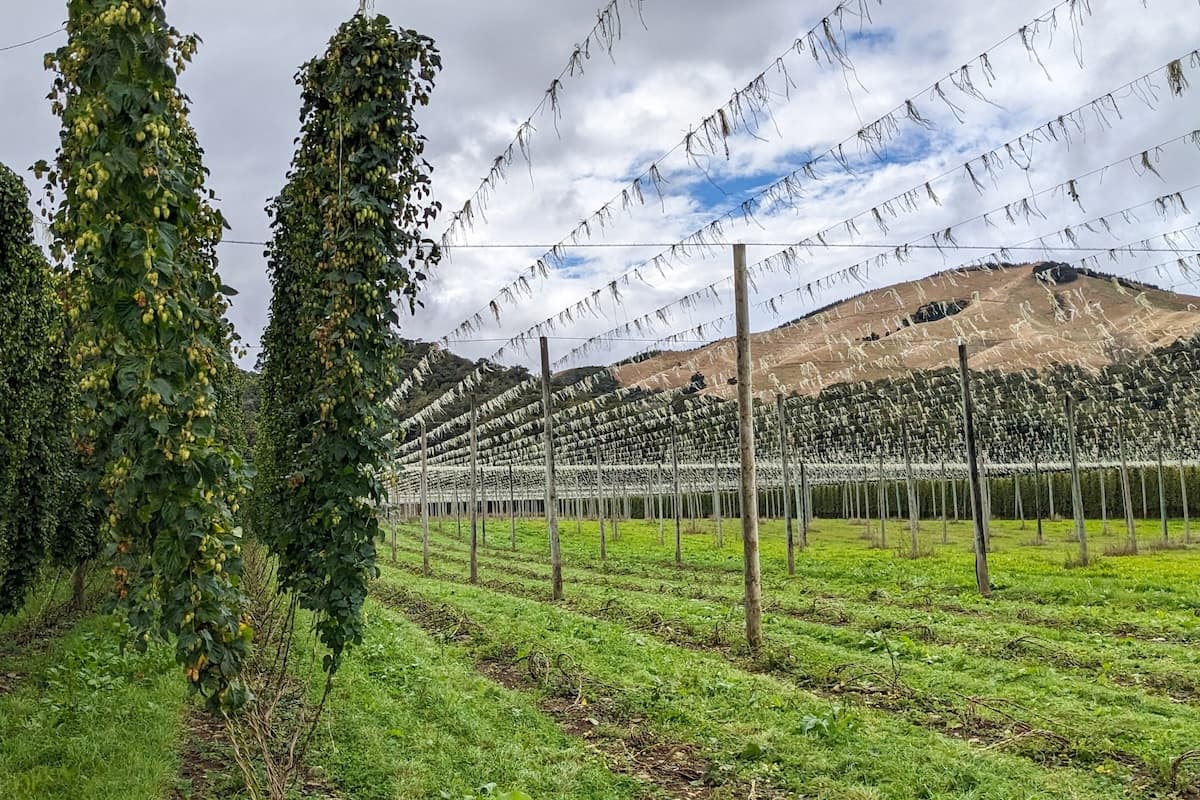
Backed by research, farmers are using harvest windows and hop maturity to enhance aroma and get brewers the profiles they want the most.
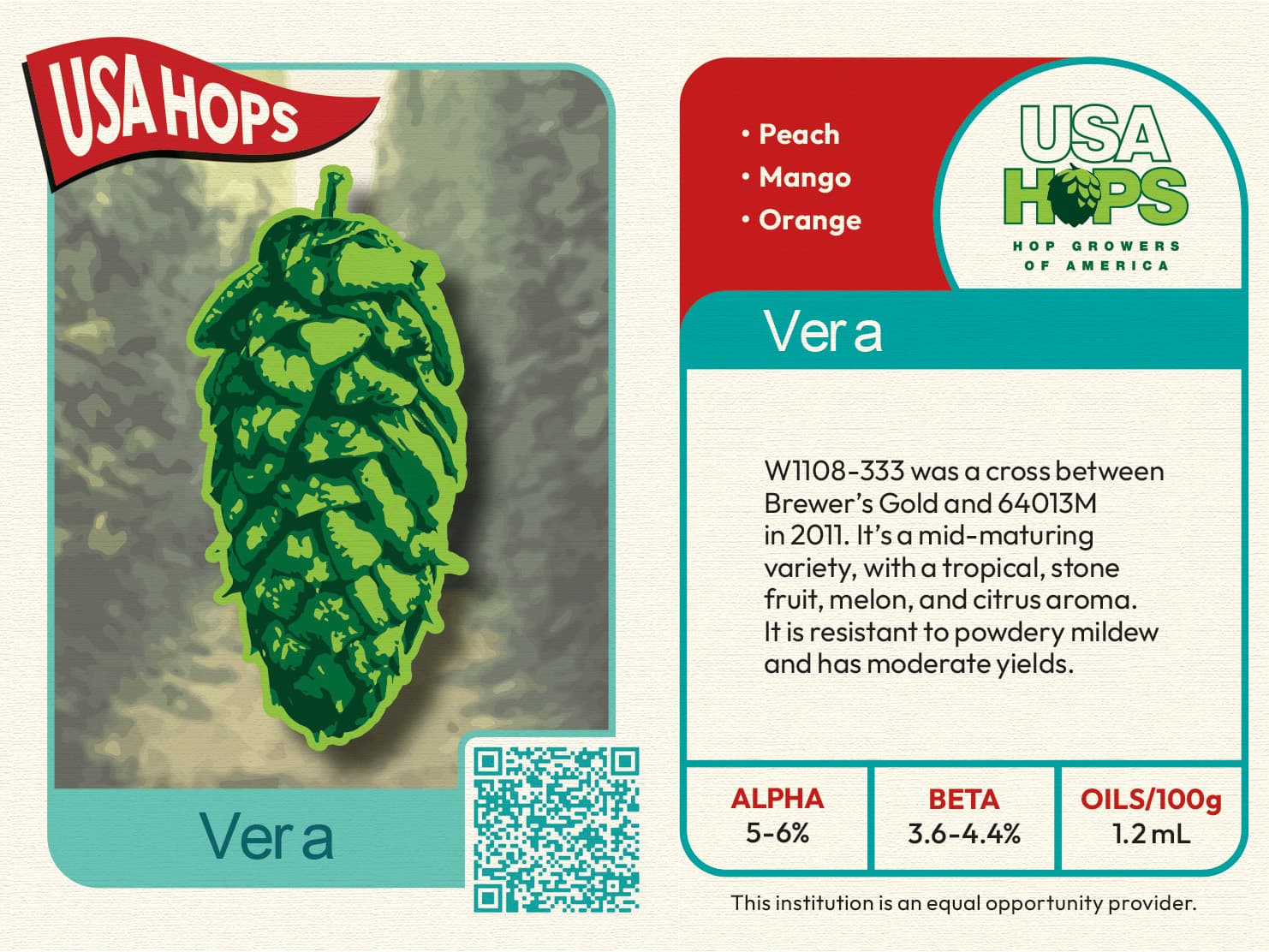
Public hops that any farmer can grow have their supporters, including the Brewers Association. Ultimately, however, the success of new varieties such as Vera and Thora will depend on demand from brewers.
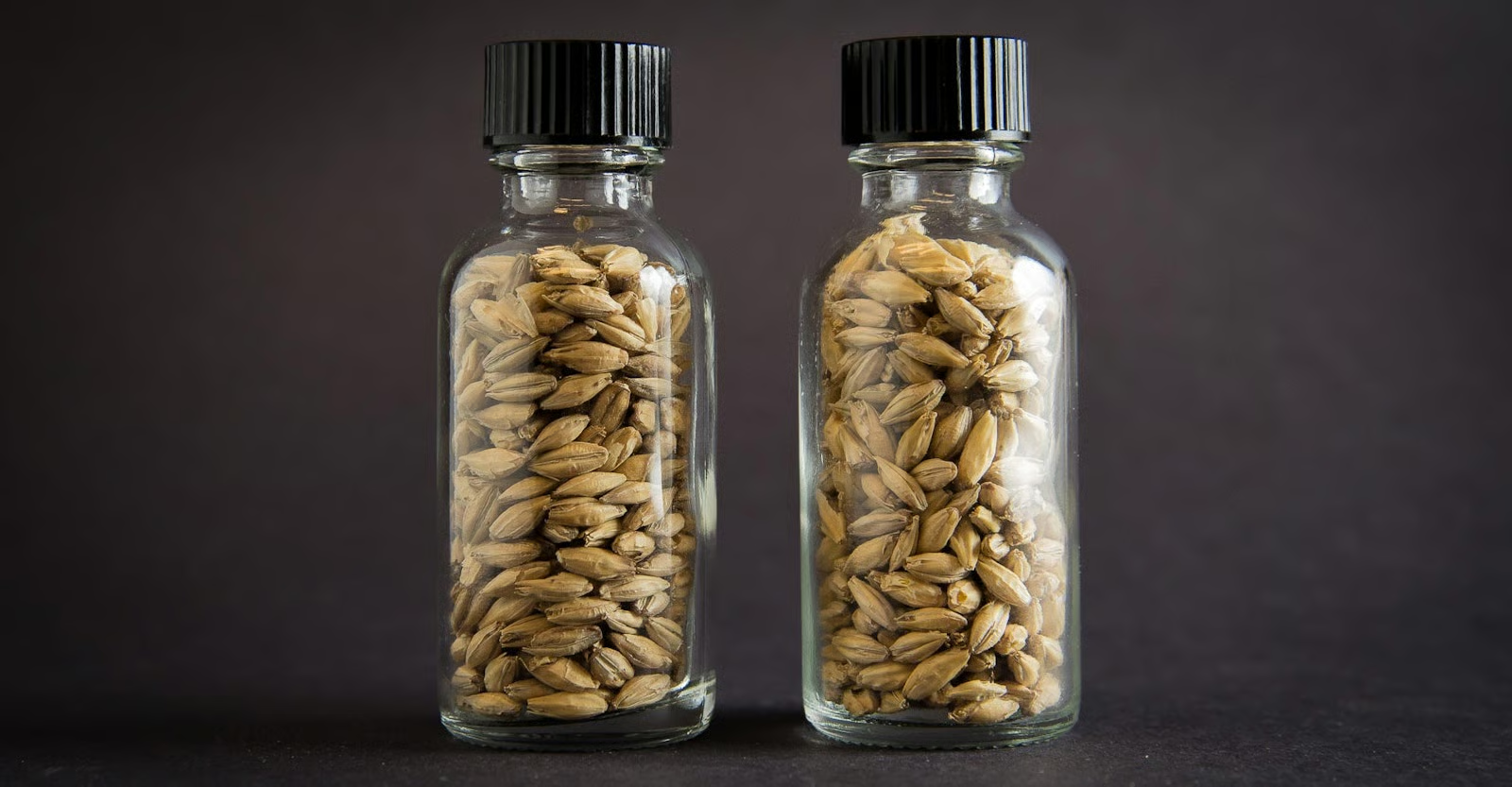
First developed by multinational lager breweries, hybrid malting barleys are now available that can extend shelf life while eliminating DMS and improving quality, among other possible benefits. Will smaller breweries find a use for them?
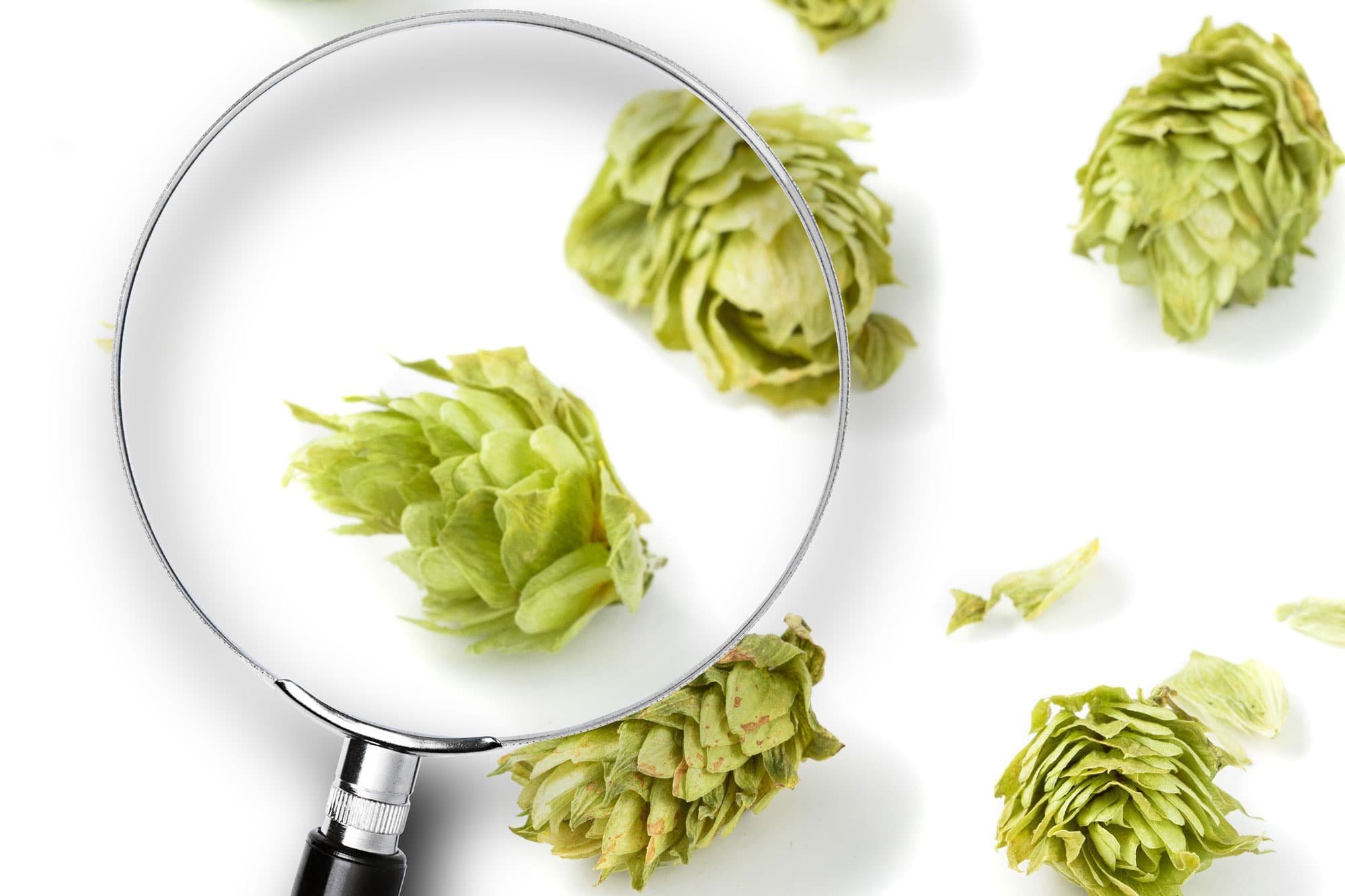
In today’s hop-forward beers, whirlpool additions contribute many of the IBUs—yet the results are less clear-cut than adding to the boil. Research—some new, some not so new—may provide direction.
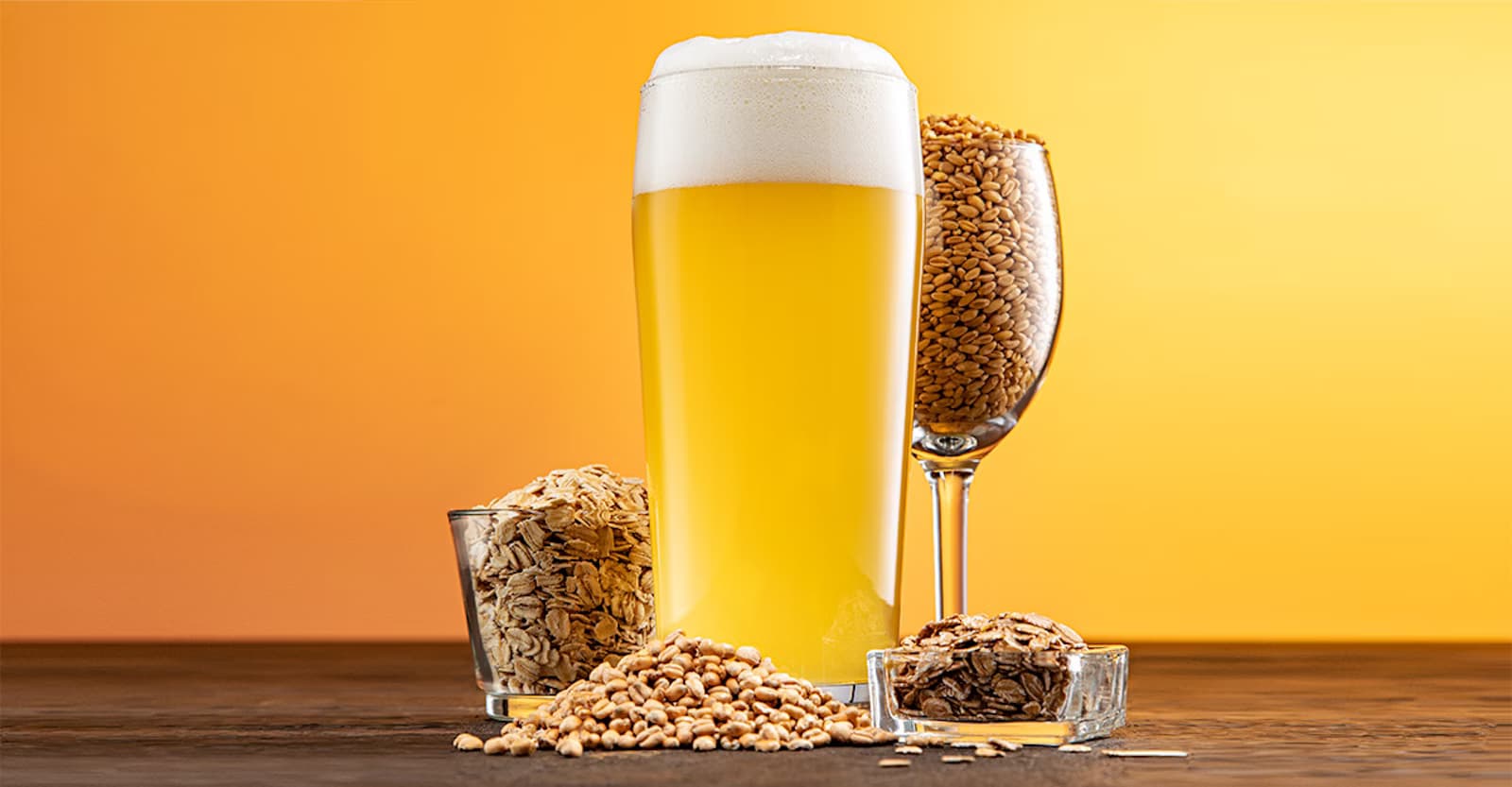
Amid the enduring popularity of soft, pale, hazy IPAs, maltsters have worked to develop wheat malts specifically meant to fit the (grain) bill. Here are two examples, with insights from brewers who use them.
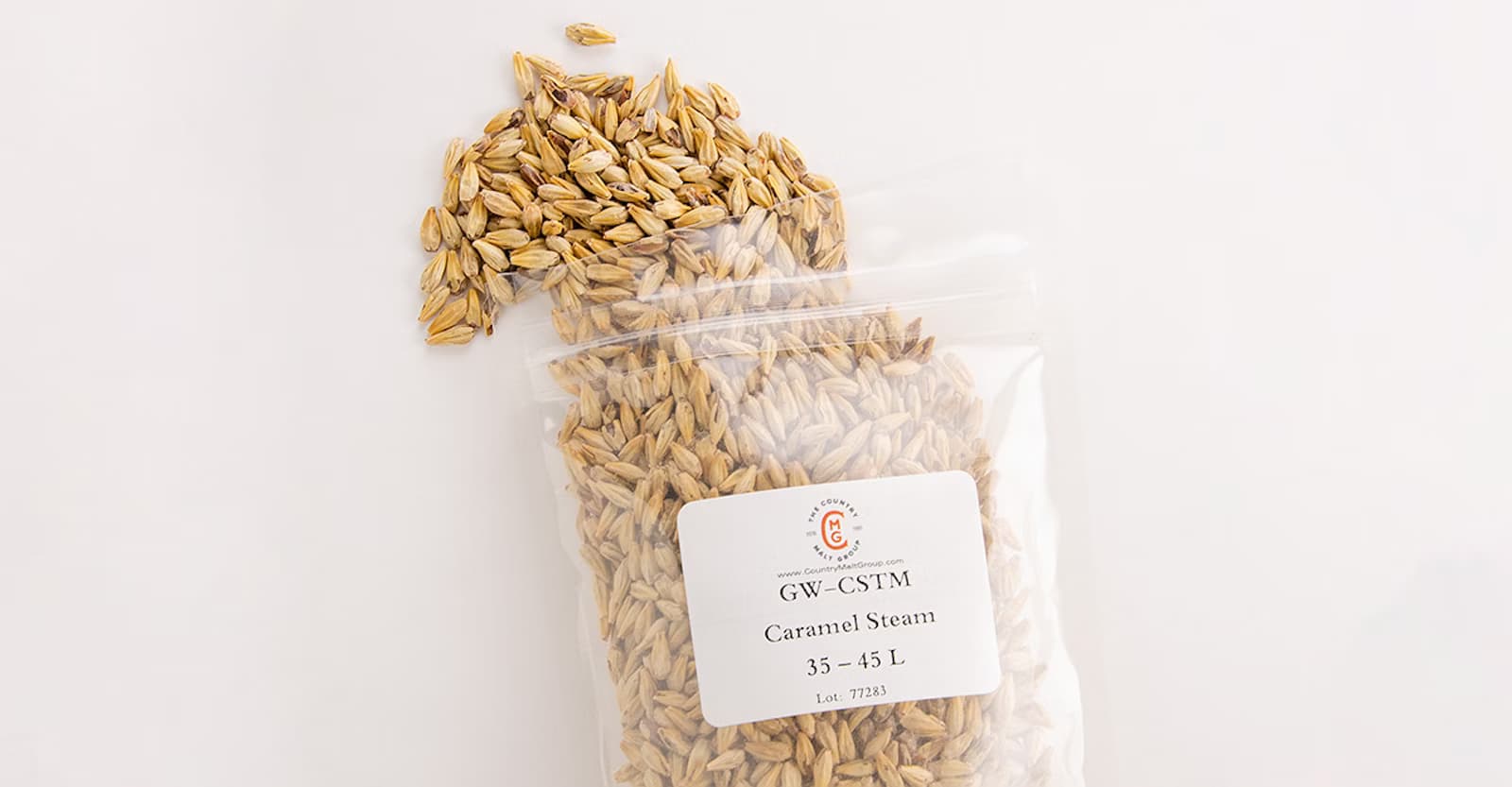
When it comes to malt these days, brewers are spoiled for choice—and yet maltsters continue to try new things, working to release products that satisfy modern brewhouse demands … and, maybe, find a place in your next recipe.

Beer is already made from plants, and foraging for local flavor is nothing new to terroir-focused breweries. So, what does it mean to brew with botanicals—and could your brewery capitalize on the trend?
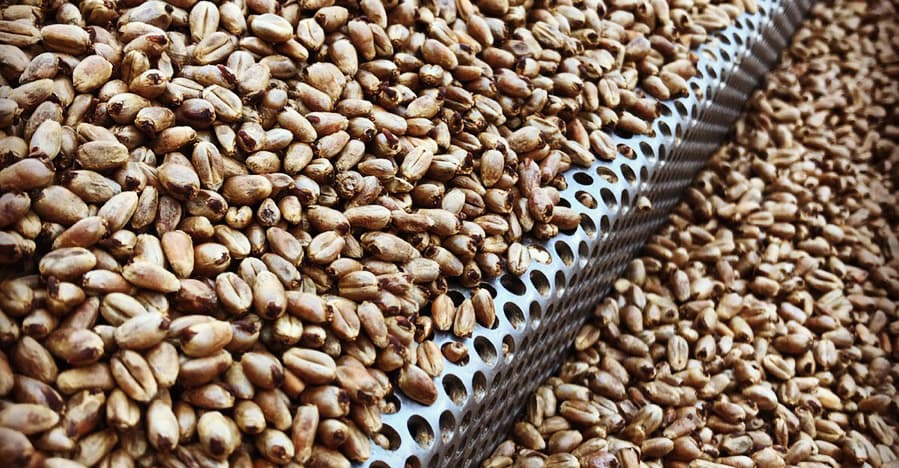
Developing a malt especially for your brewery takes some planning, but there are potential benefits—such as nailing a target flavor within your process, making beer from truly local grain … or just the fun of finding out what it tastes like.
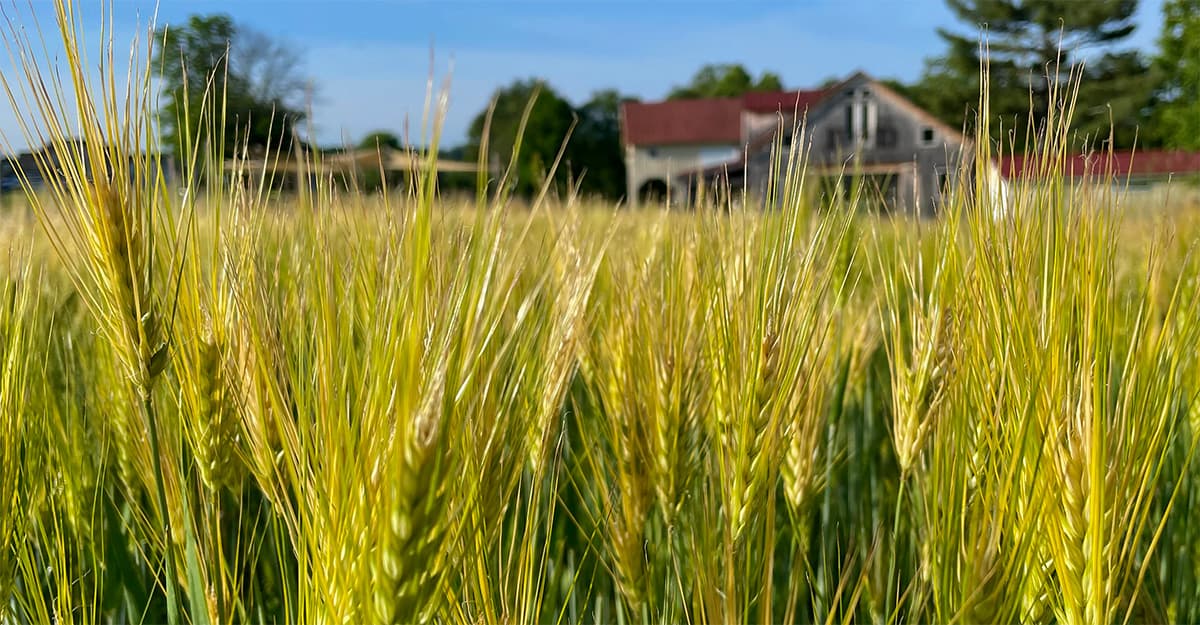
The farming practices are still new and not always clearly defined, but supporters of regenerative agriculture make the case that it could lead to better grains, better beer, and happier farmers.
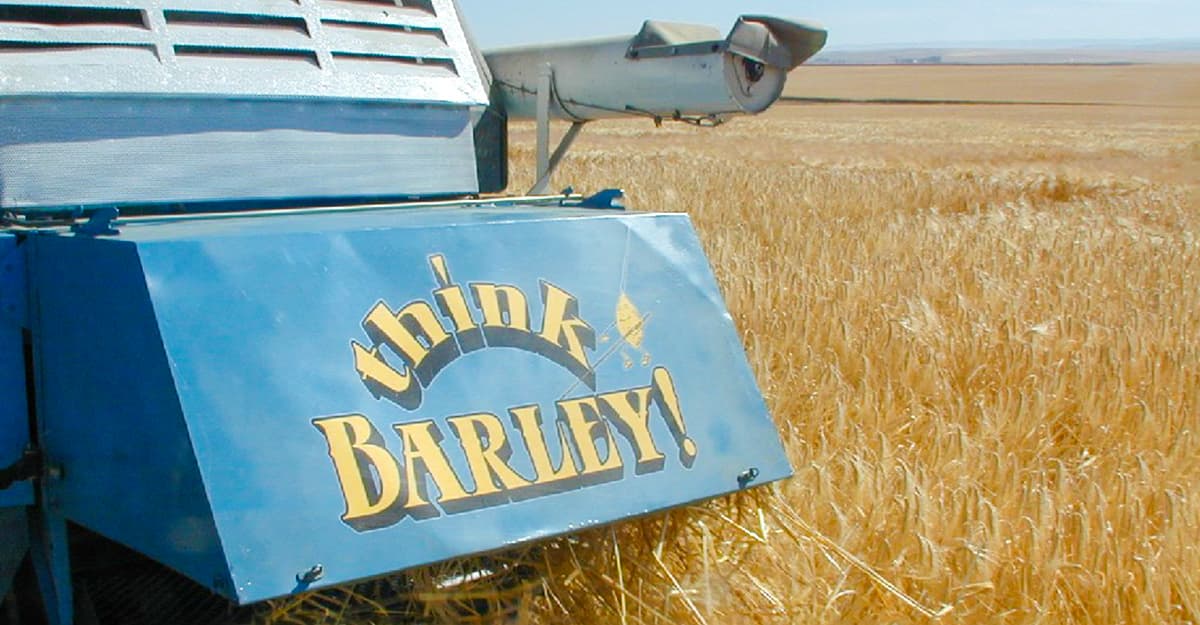
From the barley farmer’s rain forecast to adjusting your grain bill, here’s how malt develops its protein content and what that means for your beer.