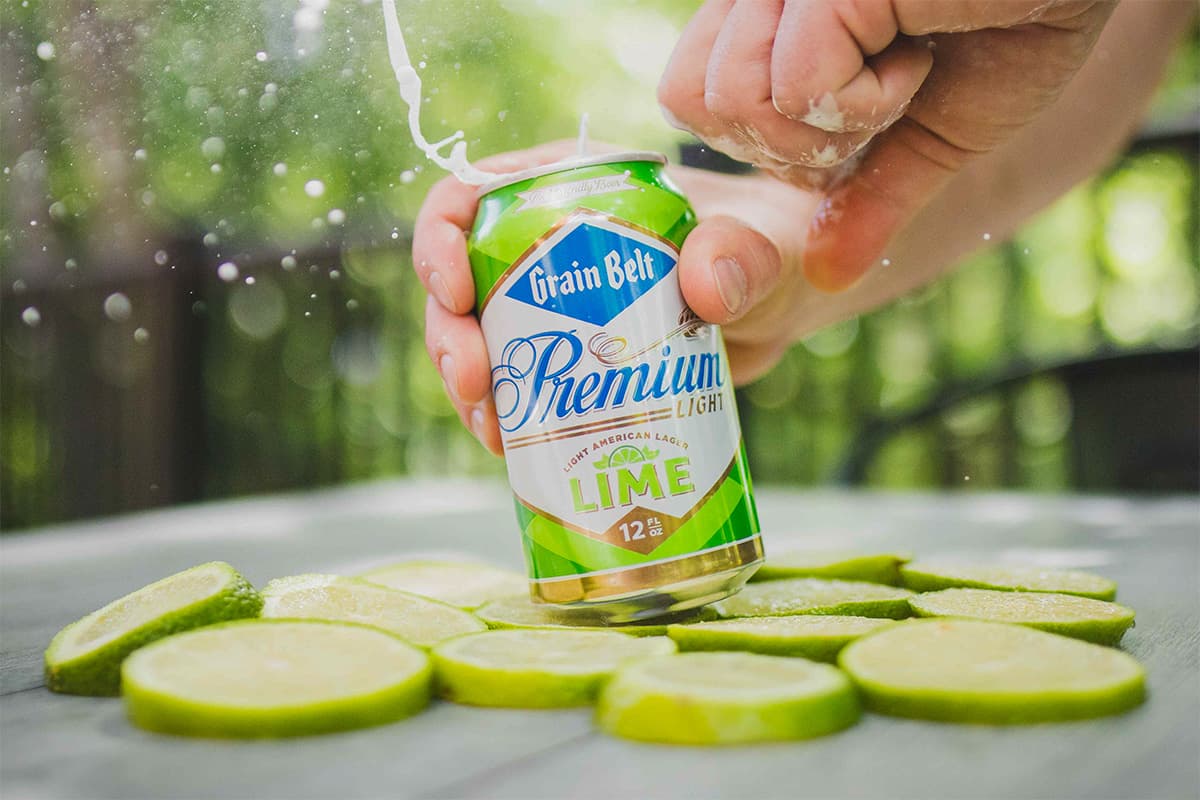
The Inevitability of Fruited Light Lager
Industry All Access
Fruit-flavored, low-strength lager spells opportunity for many breweries, driving engagement with drinkers who seek less alcohol as well as those drawn to familiar flavors.

28 articles in this category
Fruit-flavored, low-strength lager spells opportunity for many breweries, driving engagement with drinkers who seek less alcohol as well as those drawn to familiar flavors.
As craft lager matures, many brewers are coloring outside the lines of classic European styles by embracing American hops that offer similar character but better agronomics, consistency, price—and the chance to make something new.
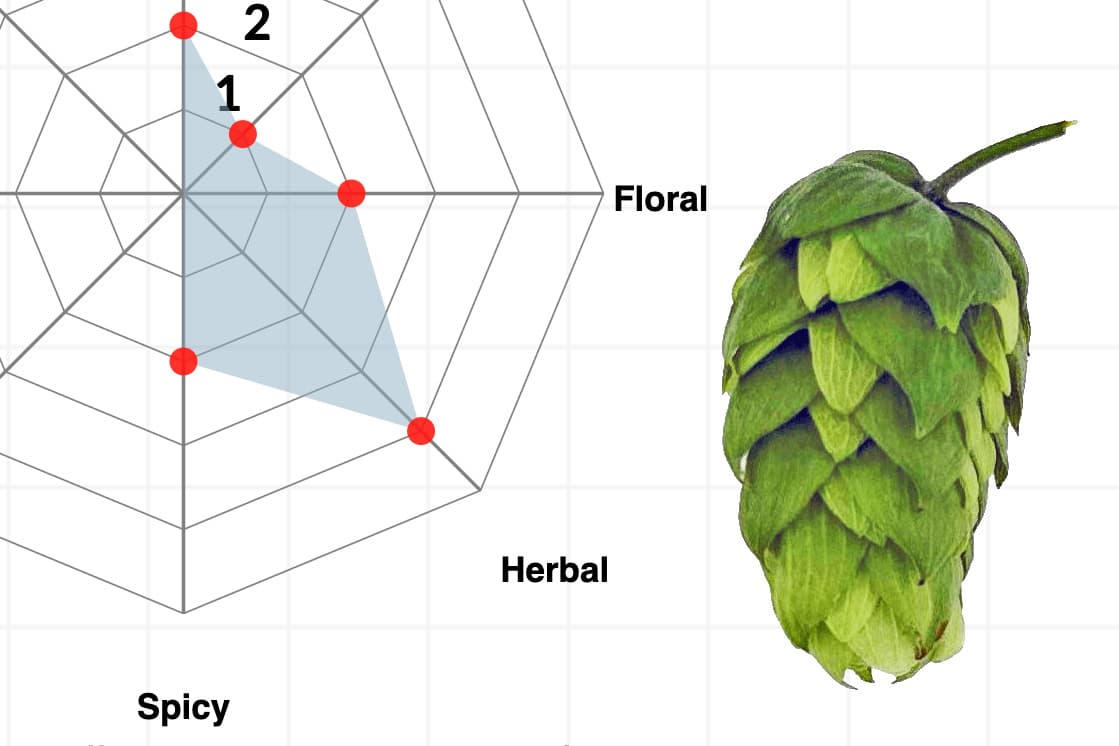
American brewers are “incredibly articulate” when it comes to IPA hops. What do they have to learn about lager hops? To get up to speed, they may need to go beyond the rub.
Even small breweries with tight footprints and busy production schedules can find the space and time for lager without upsetting the balance sheet. From a few of the best lager breweries in the United States, here are tips on how.
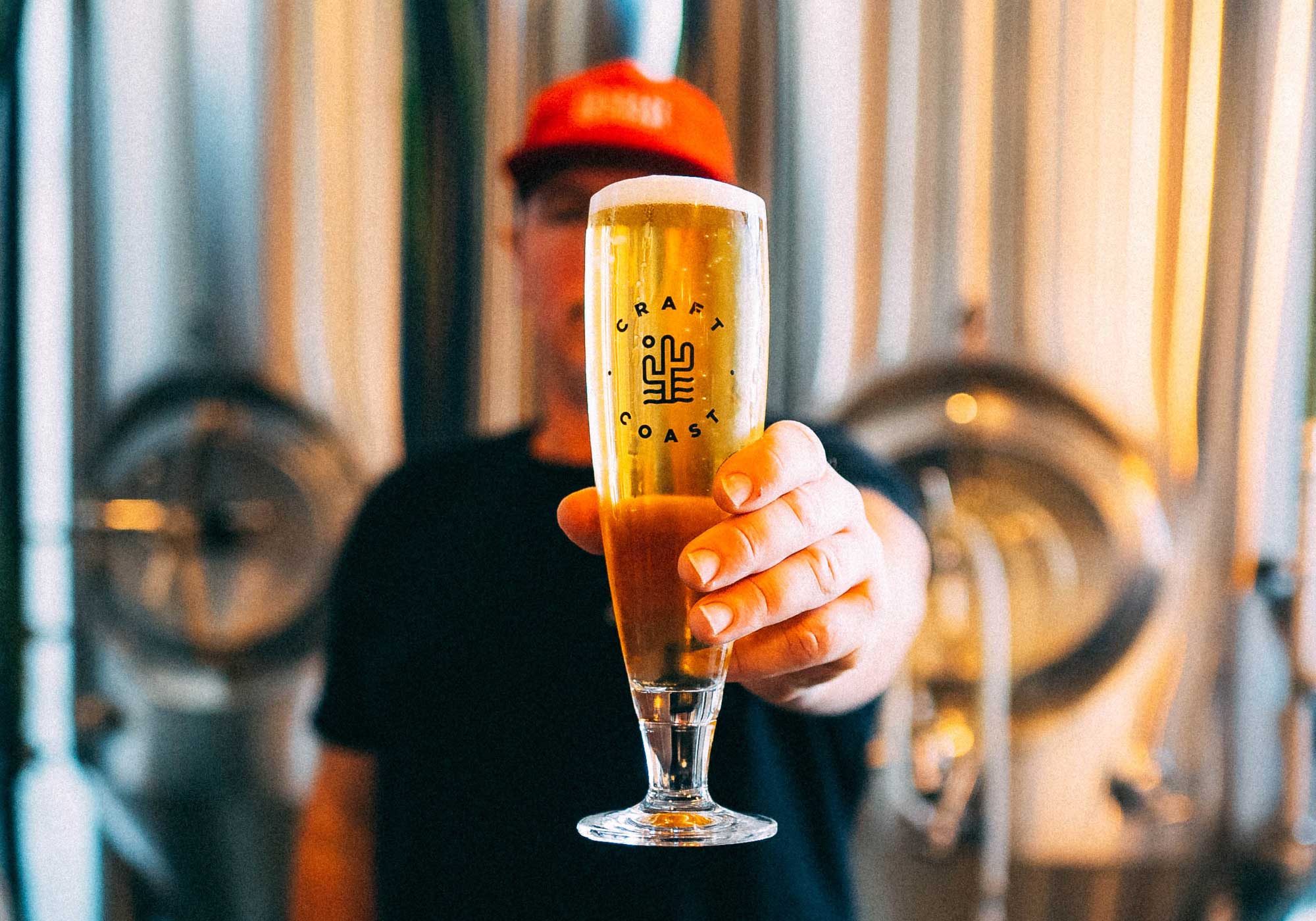
In San Diego’s North County, this brewpub is winning loyal customers and drawing tourists by offering a casual place to enjoy great tacos with medal-winning lagers and IPAs. Perhaps birria was the secret sauce all along.
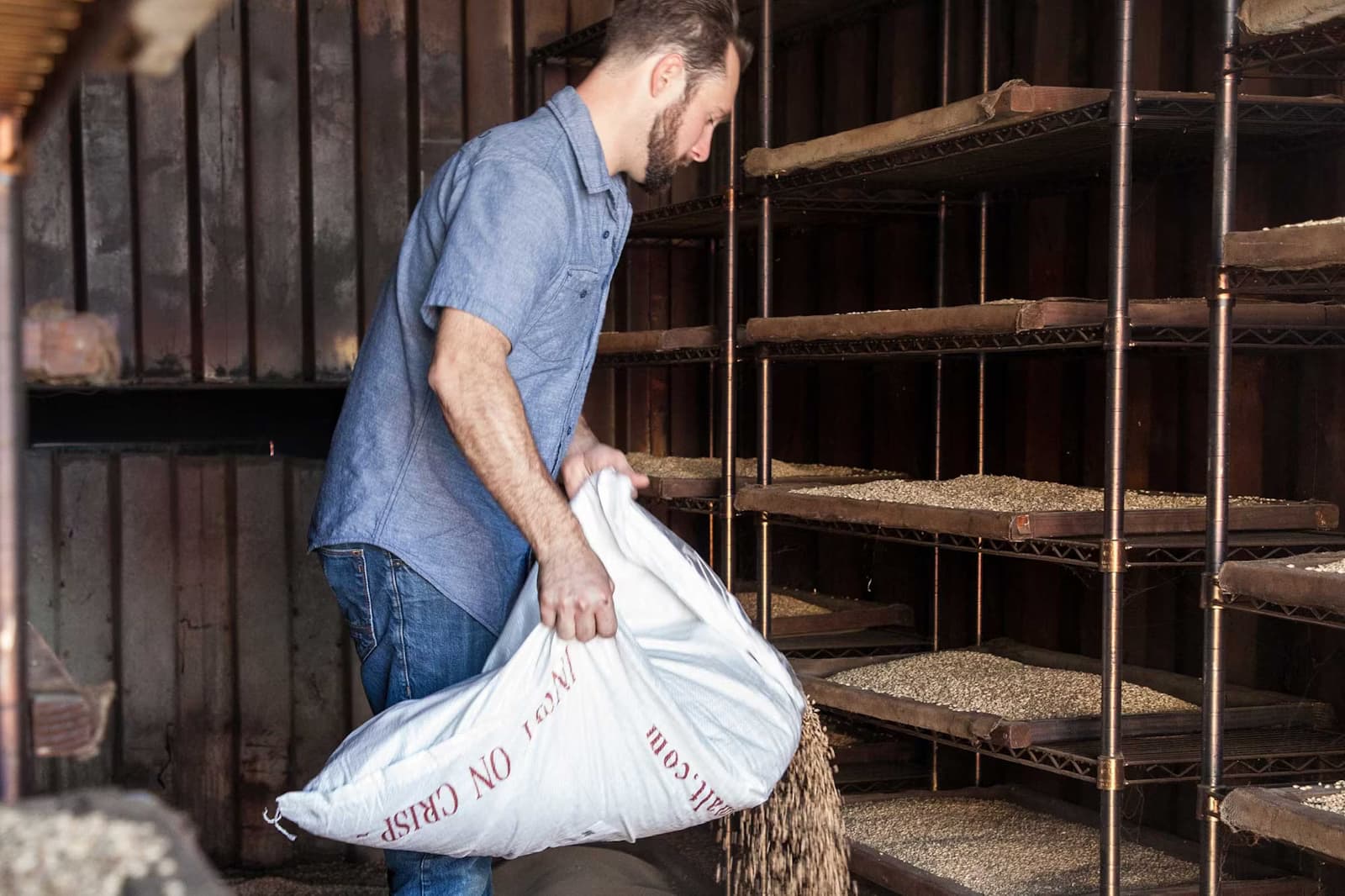
Amid craft lager’s surge, smaller maltsters are sending up signals for an unlikely trend, producing small batches of unusual smoked malts made with a variety of woods. Brewers dig it, too—but will drinkers follow?
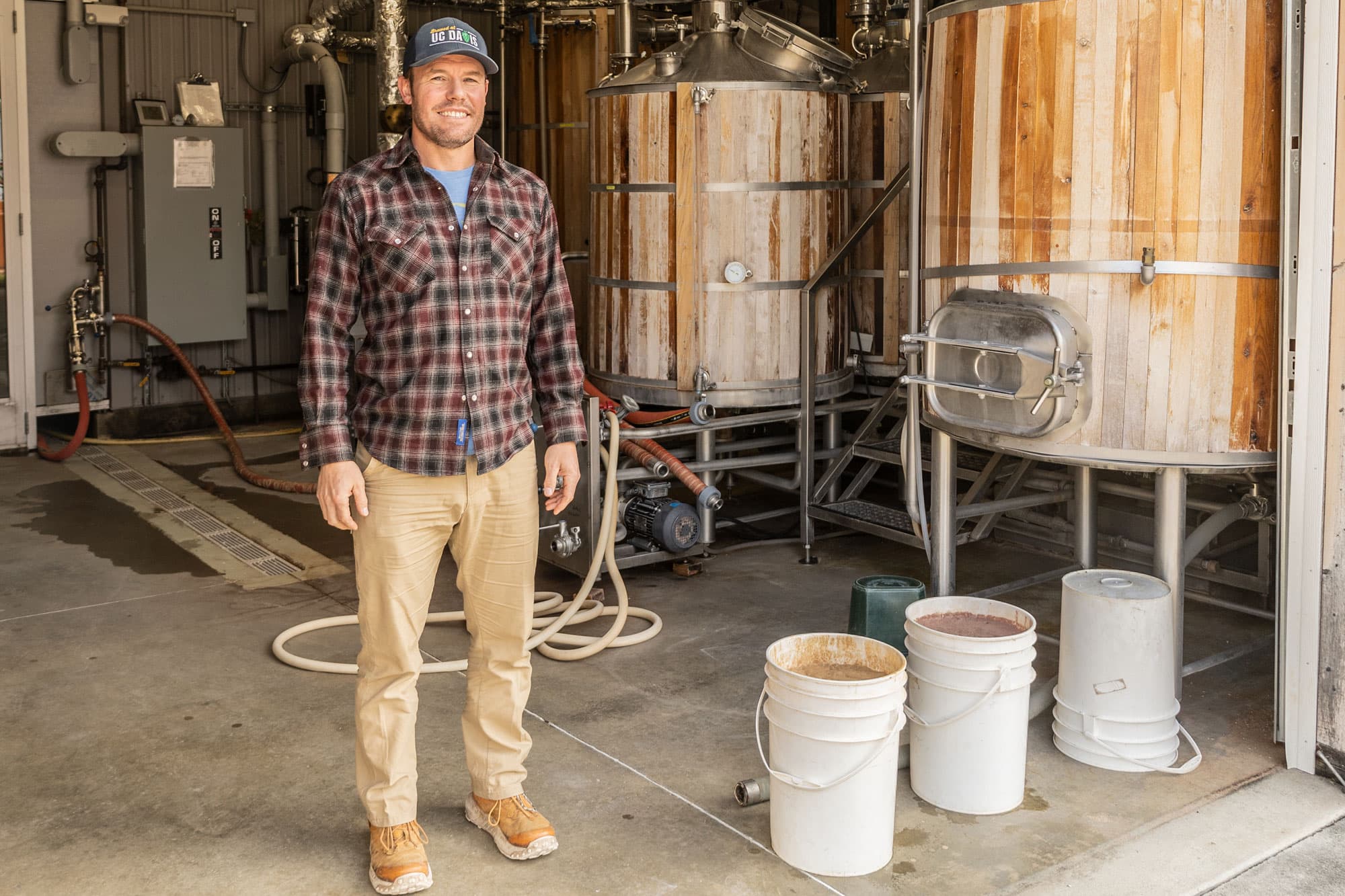
In the hills of rural eastern Ohio, you won’t find Wooly Pig Farm Brewery by accident. Yet with an accomplished brewer who brews only unfiltered lager, sells it all on-site, and feeds spent grain to the hogs, there are plenty of reasons to find it on purpose.
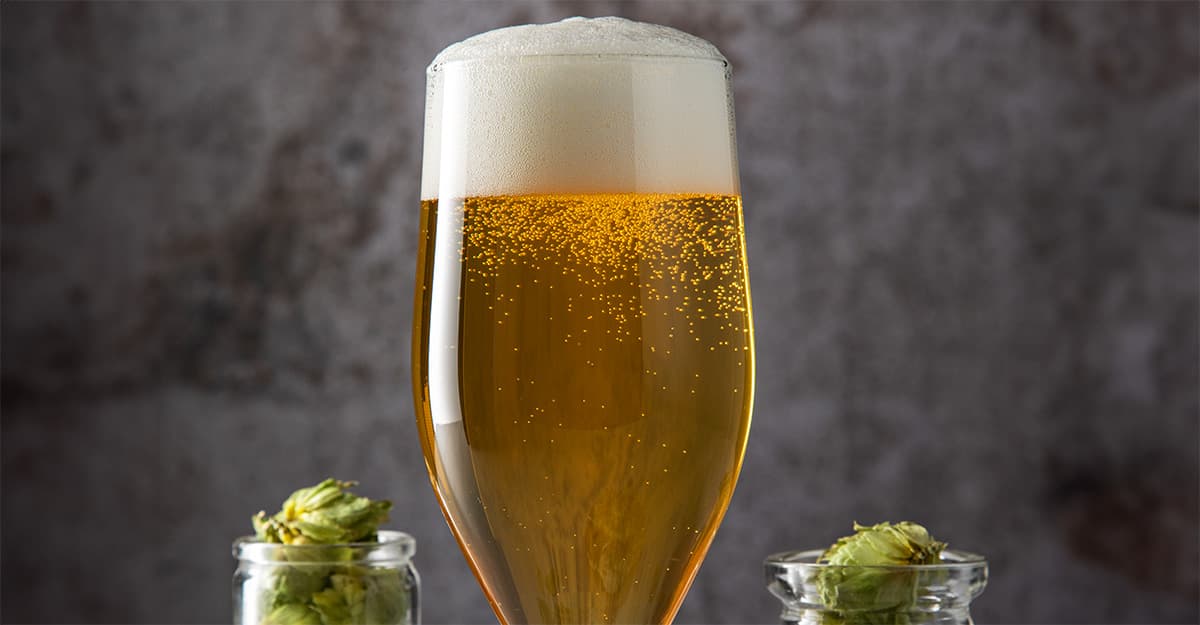
Recent research into a handful of near-forgotten yeast strains reveals the potential for more distinctive hop-forward lagers.
What does it mean to worship at the altar of crisp? For brewers, it means special attention to technique, fermentation, and clarification.
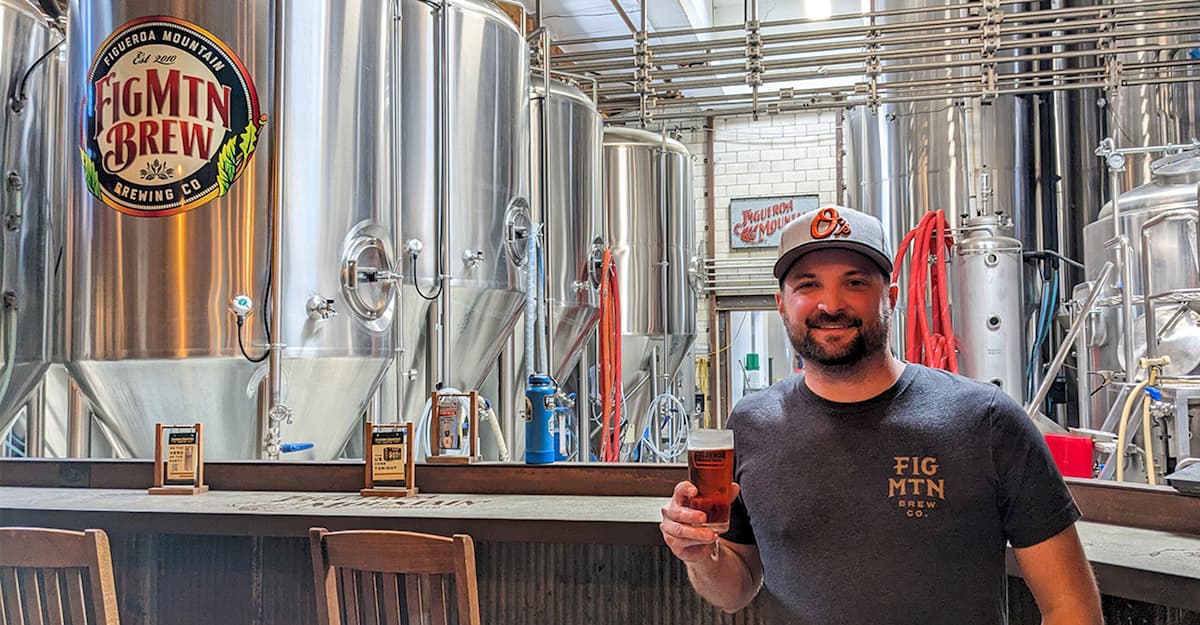
Kevin Ashford, the award-winning brewmaster at Central California’s Figueroa Mountain, has some thoughts on the future of lager and New World hops. Are we already looking at the next pivotal moment in the evolution of craft beer?
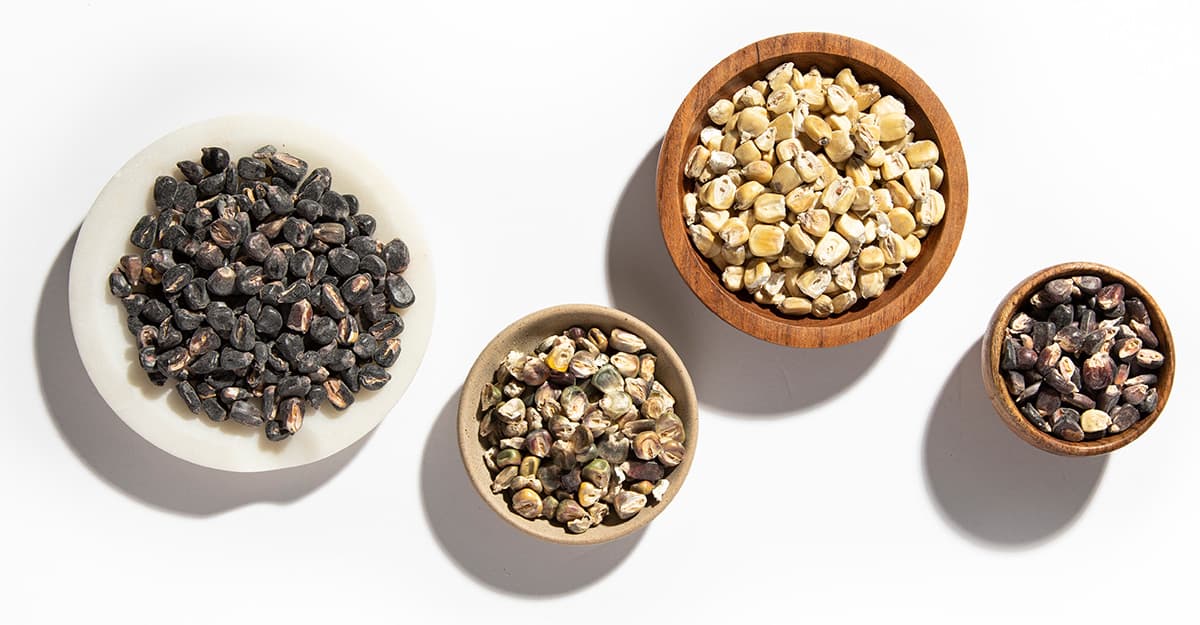
While malted corn isn’t always easy to work with, craft maltsters and brewers are figuring out how best to use what is essentially a new and flavorful ingredient. As interest grows, so will the options and the expertise.
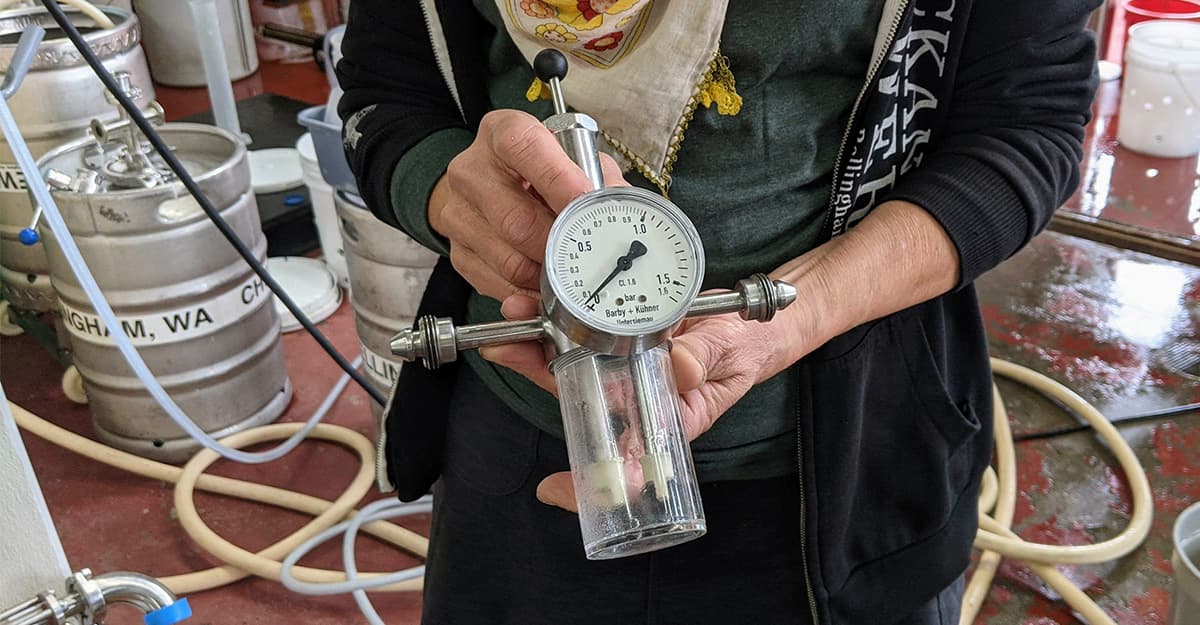
A method known to the largest lager brewers and many homebrewers remains relatively rare at small breweries—pressure fermentation. When properly applied, it can be an effective way to trim tank time and control the quality of cleaner-fermenting beers.
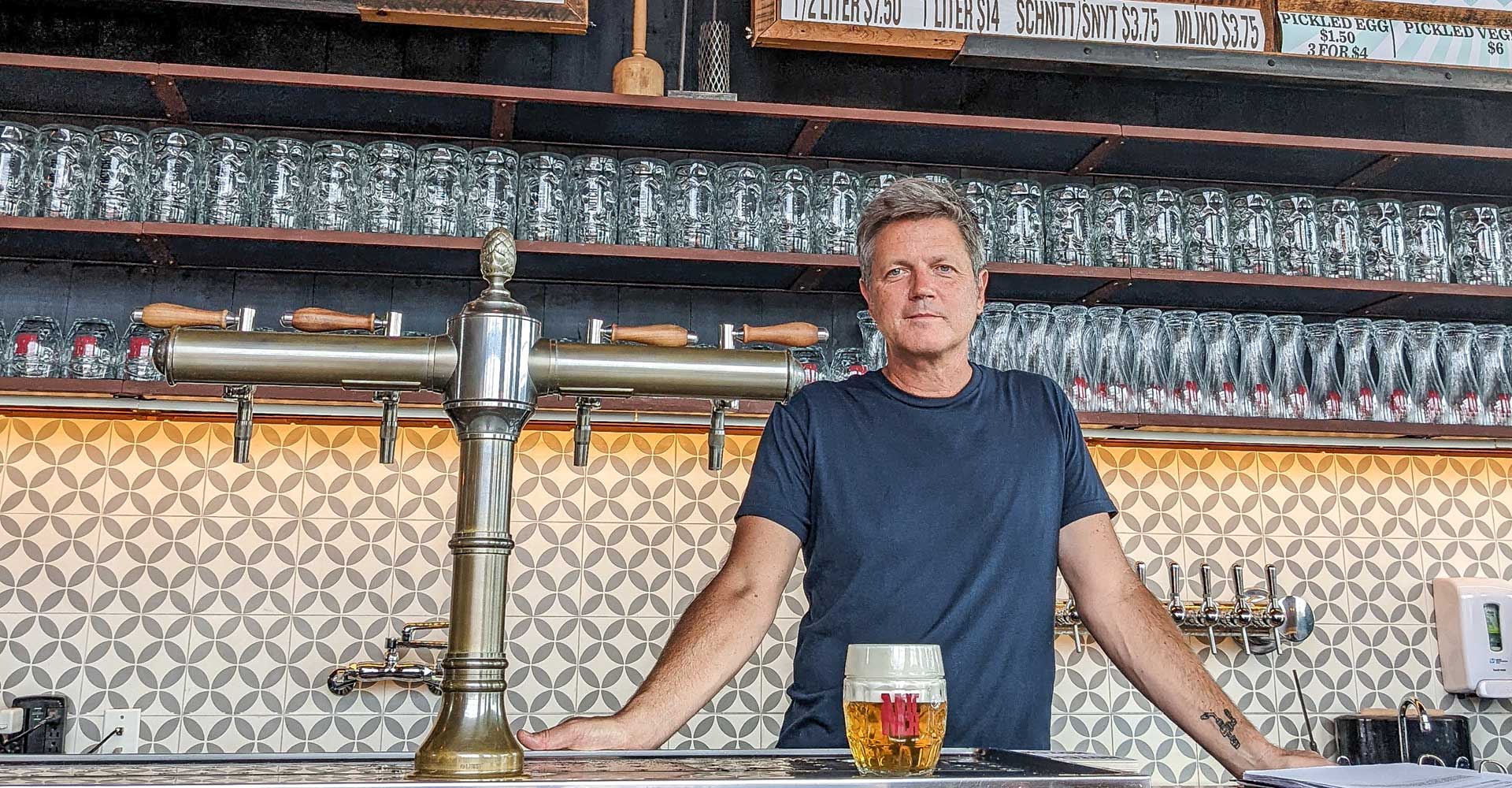
In Massachusetts, Notch has carved a niche for traditional lagers and ales of modest strength and for bar service that honors those traditions—and, along the way, its confident approach has had an outsized influence on the industry.
While we have a plethora of options for ale yeast, lager strains have been few and relatively similar. That’s already changing thanks to recent research, and brewers who rethink lager may be the ones who stand out in a tightening market.

In New York’s Hudson Valley, one of the country’s most respected family-run breweries is keeping it small and intentional, making deliberate choices aimed at better living.
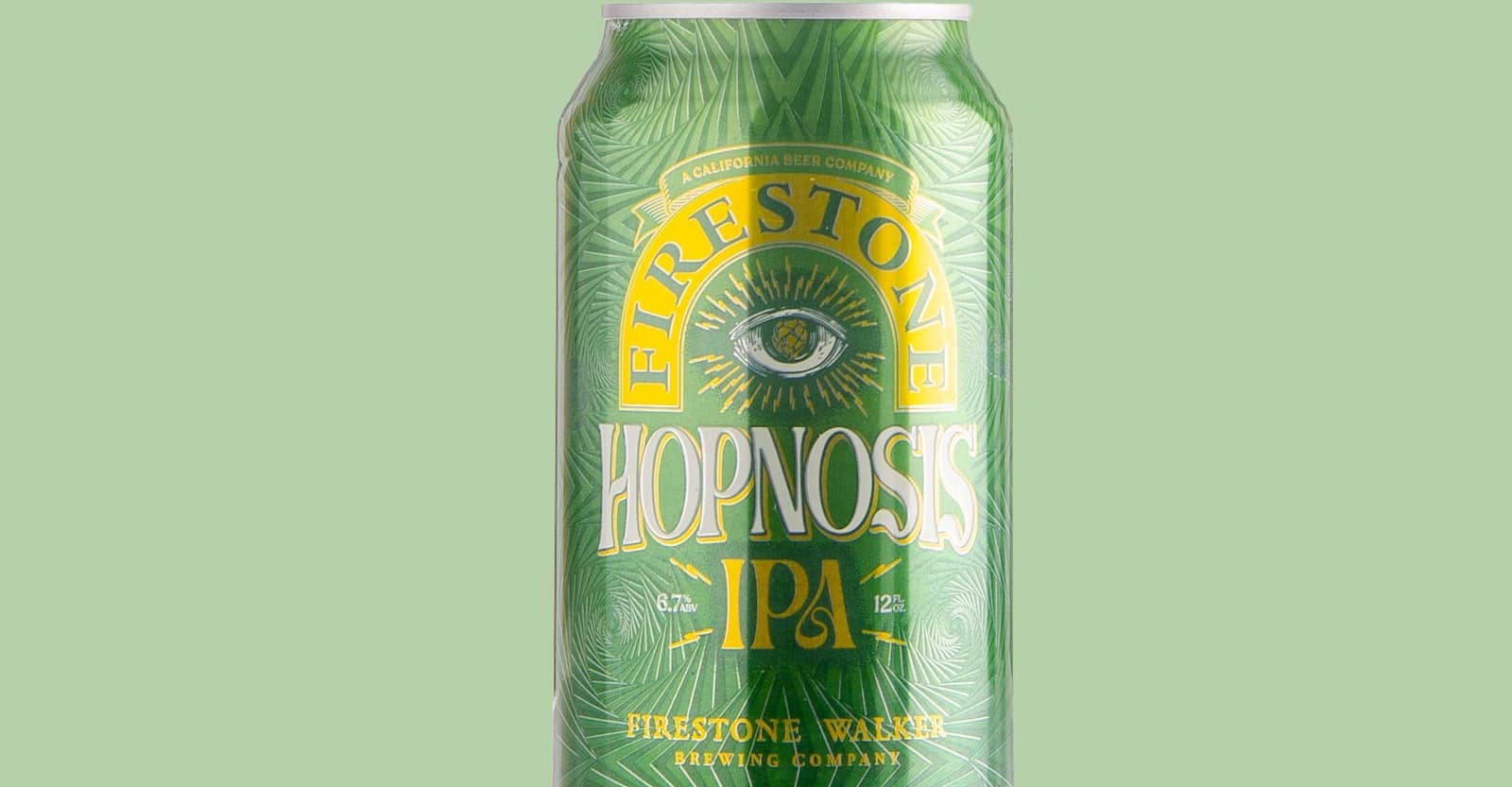
A recent release at California’s Firestone Walker may be a window into where IPA is headed, going for clarity and lean fermentation while borrowing hop-saturation hocus-pocus from the hazy grimoire. Brewmaster Matt Brynildson explains.
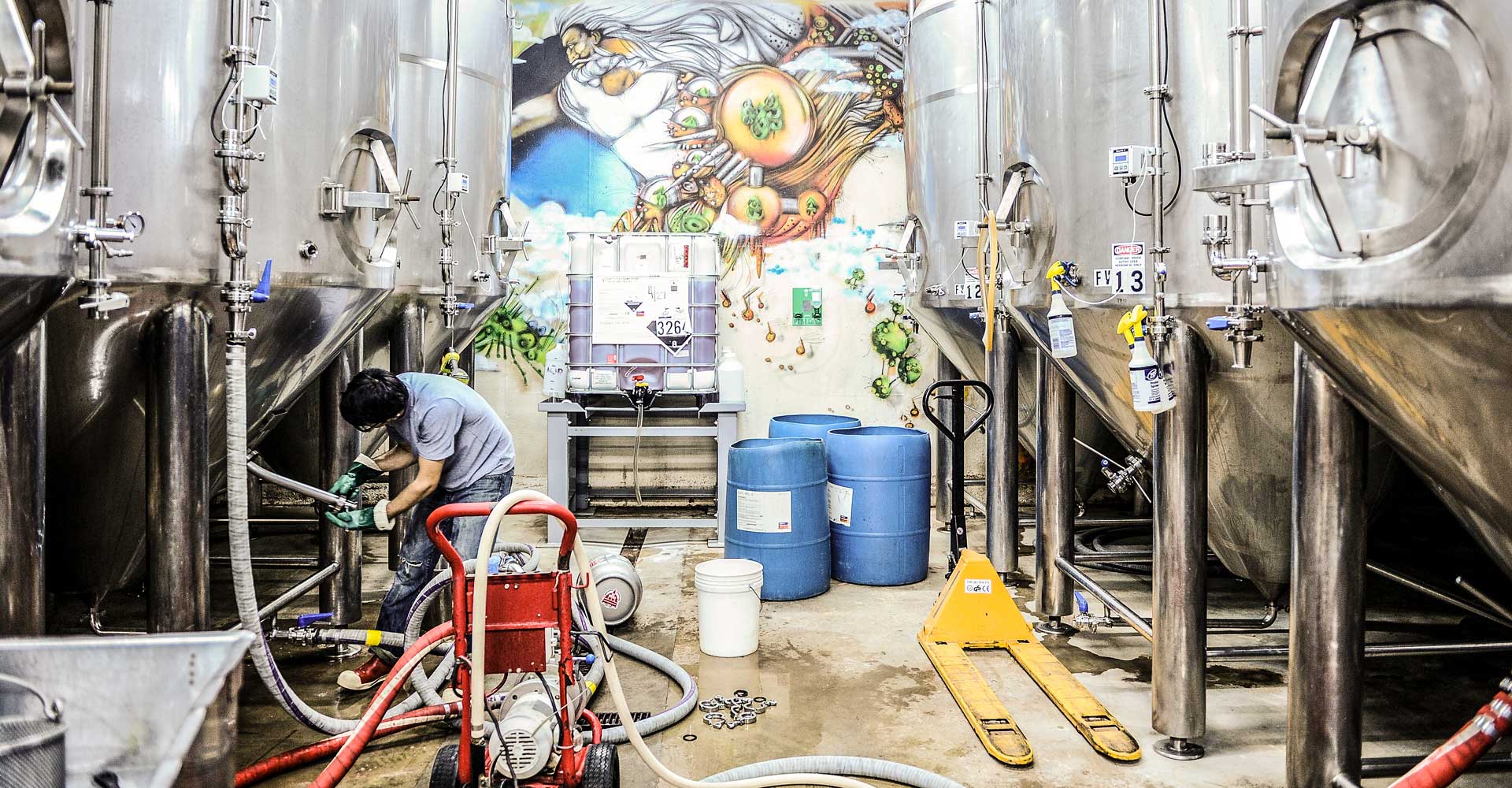
After 11 years in business in the nation’s capital, DC Brau is banking on a nostalgia-infused mainstream lager and a neighborhood taproom to keep the local love flowing.
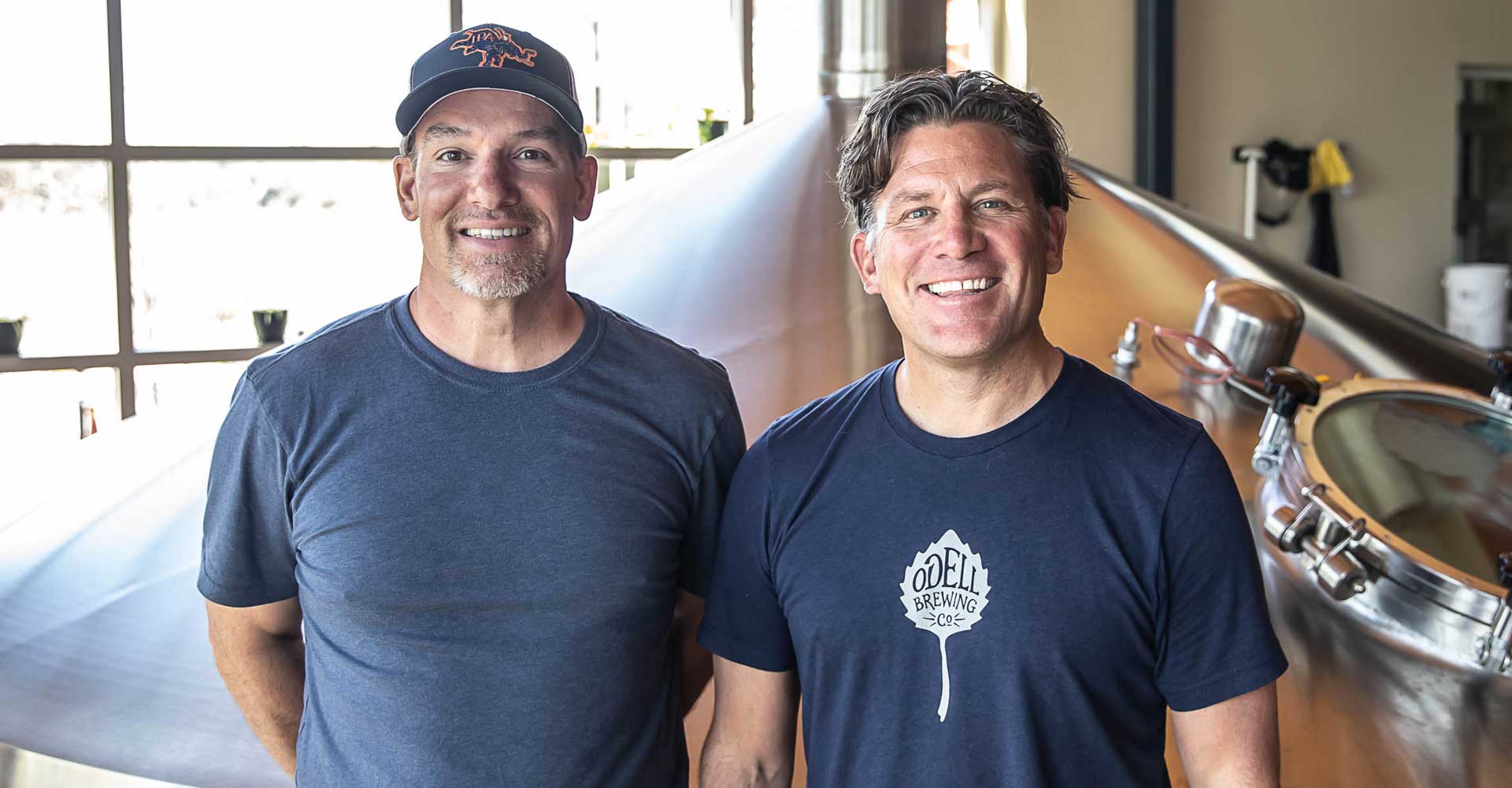
At times, Odell Brewing in Fort Collins, Colorado, has flirted with becoming a major national player. These days, McGivney as COO and Smitty as CEO are looking instead to dig deeper locally, appealing to a broader base of drinkers in their regional market.
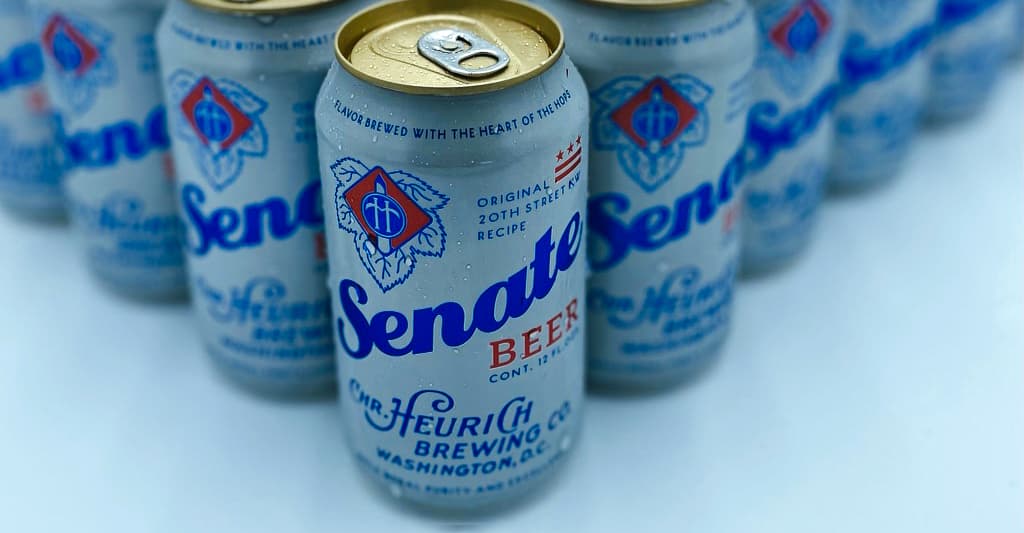
Driven by nostalgia, hometown connections, and the chance to sell some beer at volume, a handful of independent breweries are successfully reviving long-lost local lager brands.
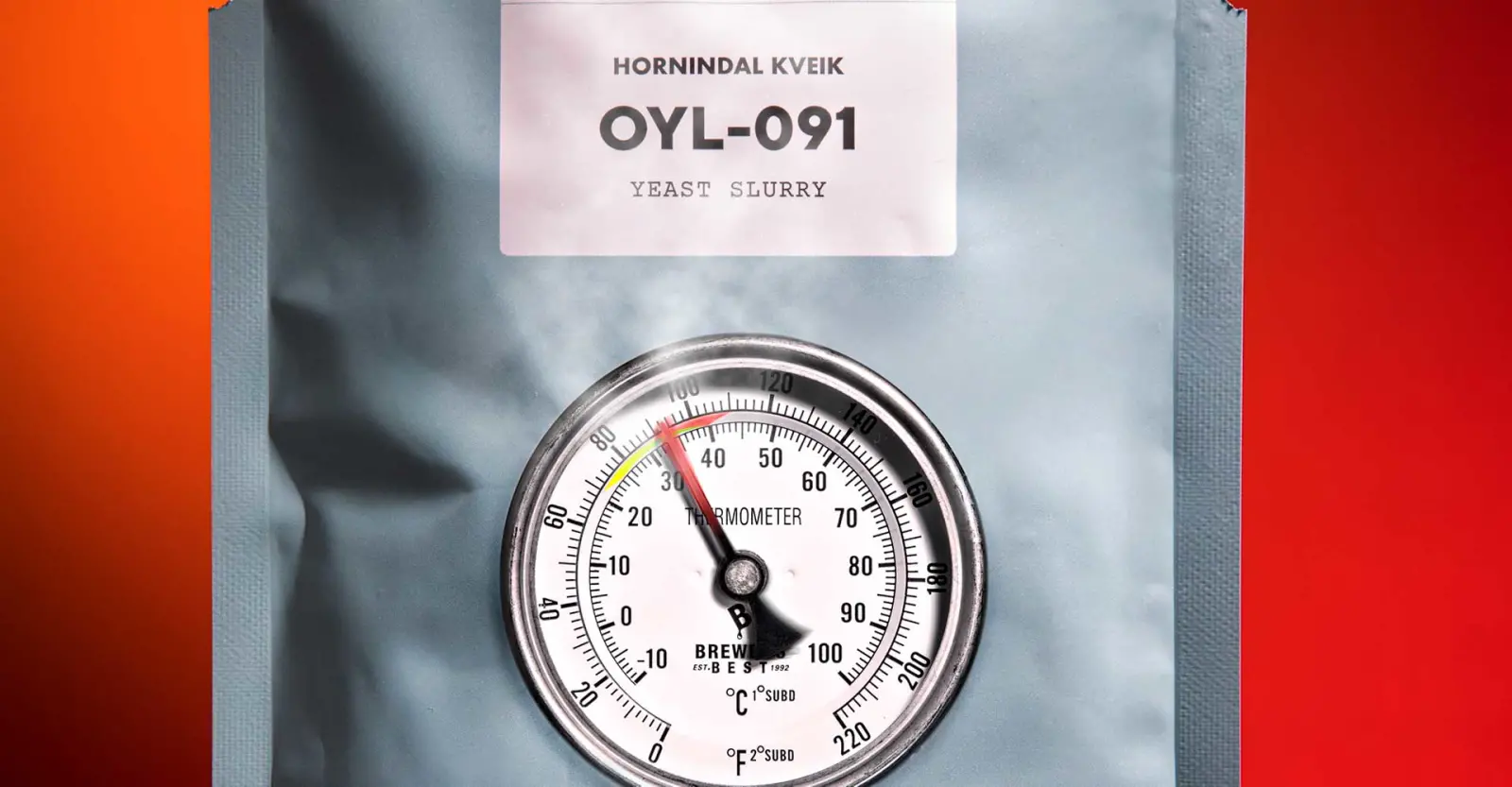
Yeast labs are enjoying sales success with clean kveik strains, since their ability to ferment lager-like beers in much less time has obvious appeal. Besides reduced costs and climate impact, they are potential game-changers for hotter climates worldwide.