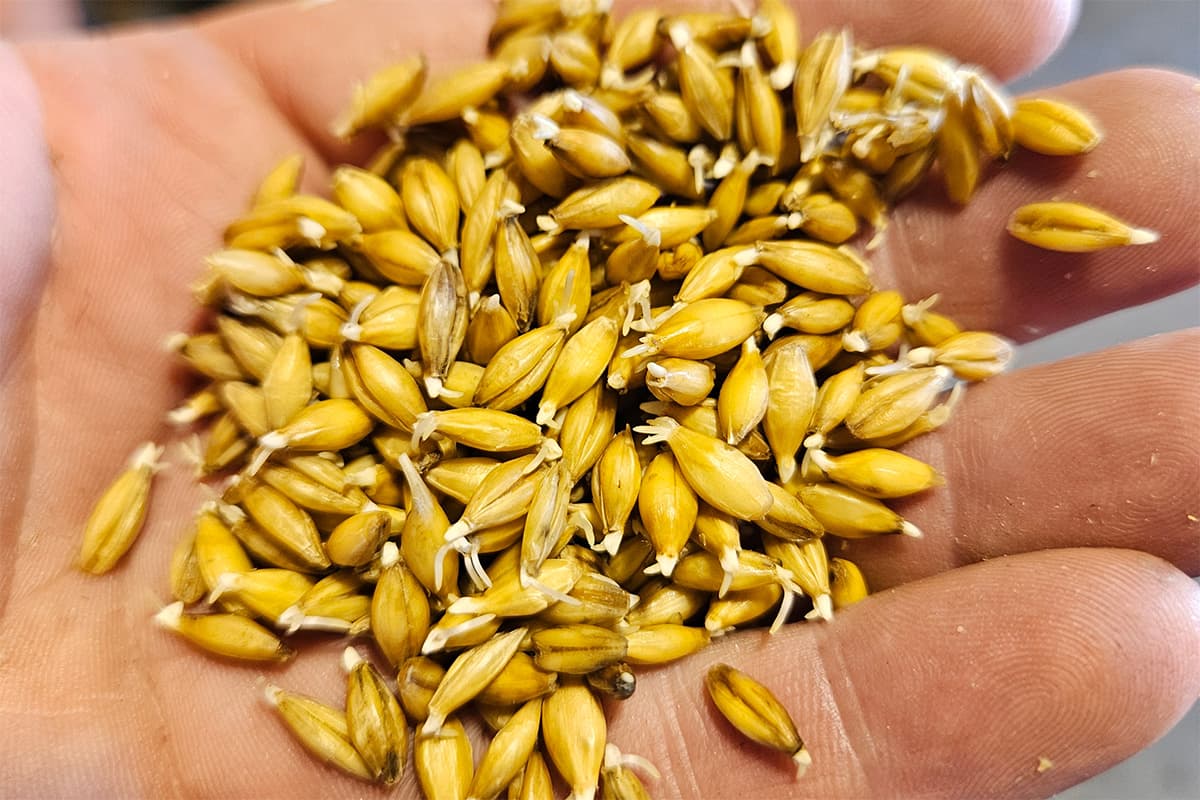
As Craft Malt Matures, the Value Equation Shifts
Once seen as a luxurious adventure—with high prices and inconsistent quality—local malts with fresh, unique flavors are winning over some brewers, even as the costs of imported malts rise.
7 articles in this category

Once seen as a luxurious adventure—with high prices and inconsistent quality—local malts with fresh, unique flavors are winning over some brewers, even as the costs of imported malts rise.

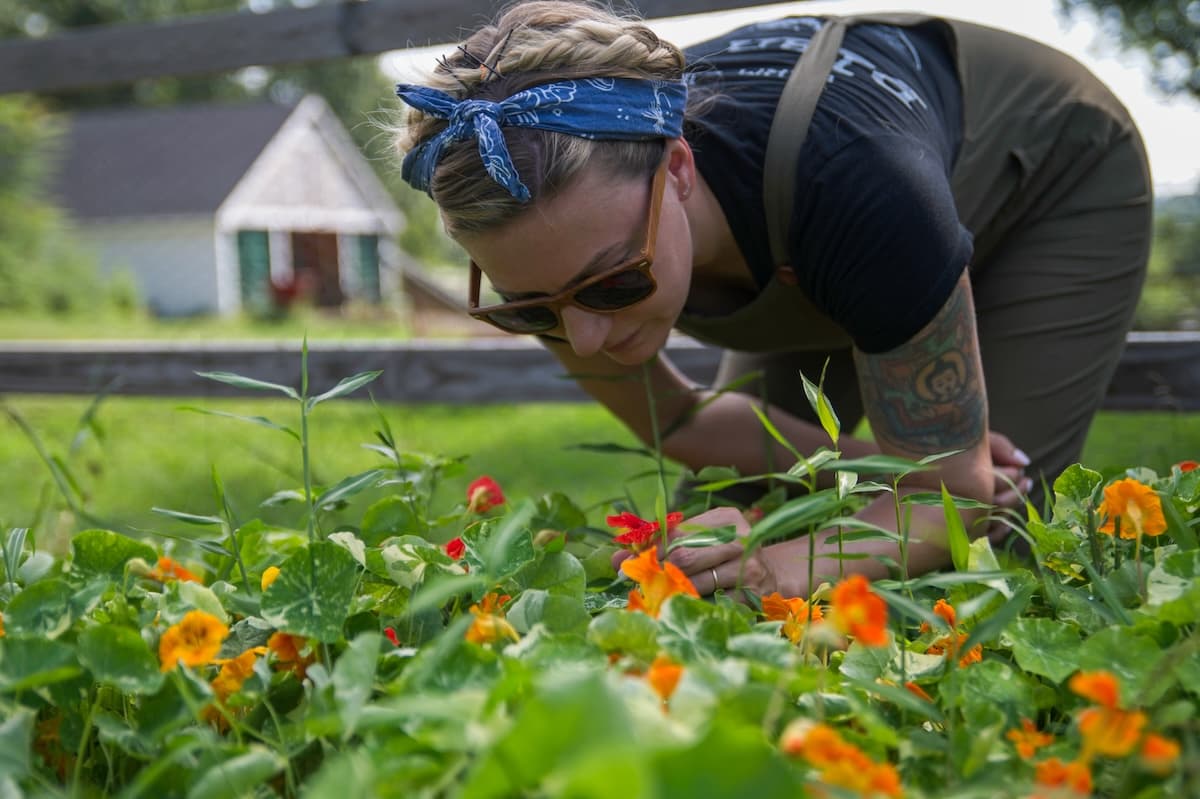
Beer is already made from plants, and foraging for local flavor is nothing new to terroir-focused breweries. So, what does it mean to brew with botanicals—and could your brewery capitalize on the trend?

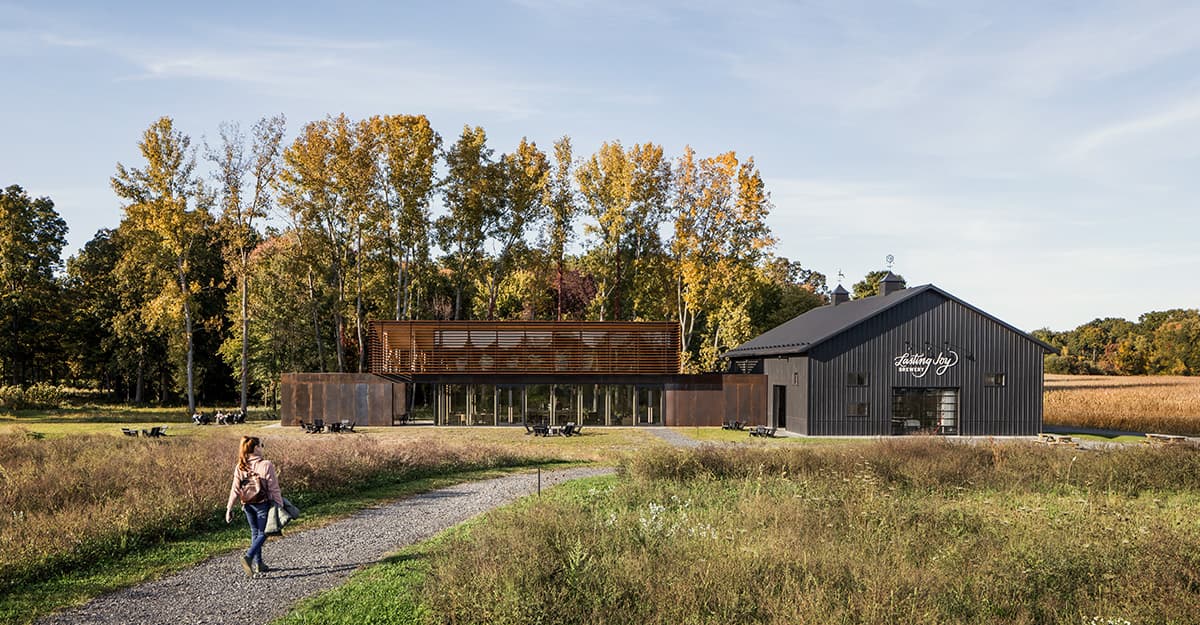
Whether farm breweries are out in the country or right downtown, state licenses for them depend on flexible benchmarks for local ingredients. There are lessons to be learned for any state considering similar privileges for breweries that aim to buy local.

What does “local” taste like? Ask a microbe. From clean lagers to funky farmhouse ales, capturing yeast from your brewery’s backyard can lead to distinctive products that belong to their locale.

It’s an immensely complex task, but sensory science and chemical analysis are bringing us closer to understanding the relationship between barley genetics and beer flavor.

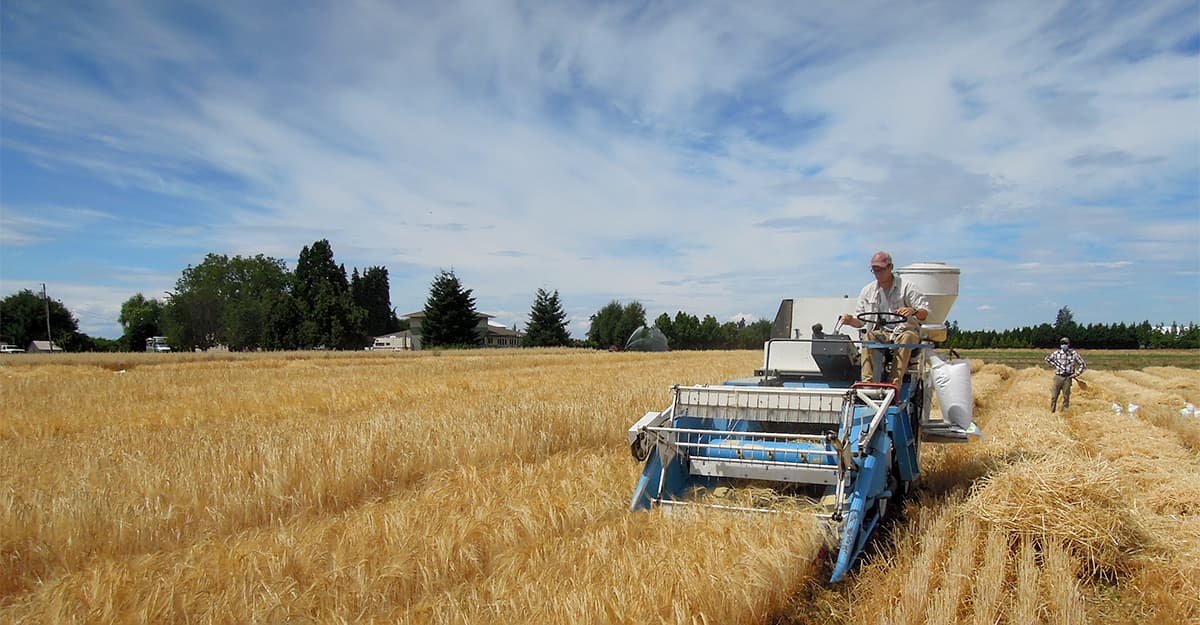
Efficiency and the needs of industry have dominated North American barley growing, limiting what’s grown and where. However, independent brewers seeking locally grown options are spurring the development of new, distinctive varieties in unusual places.

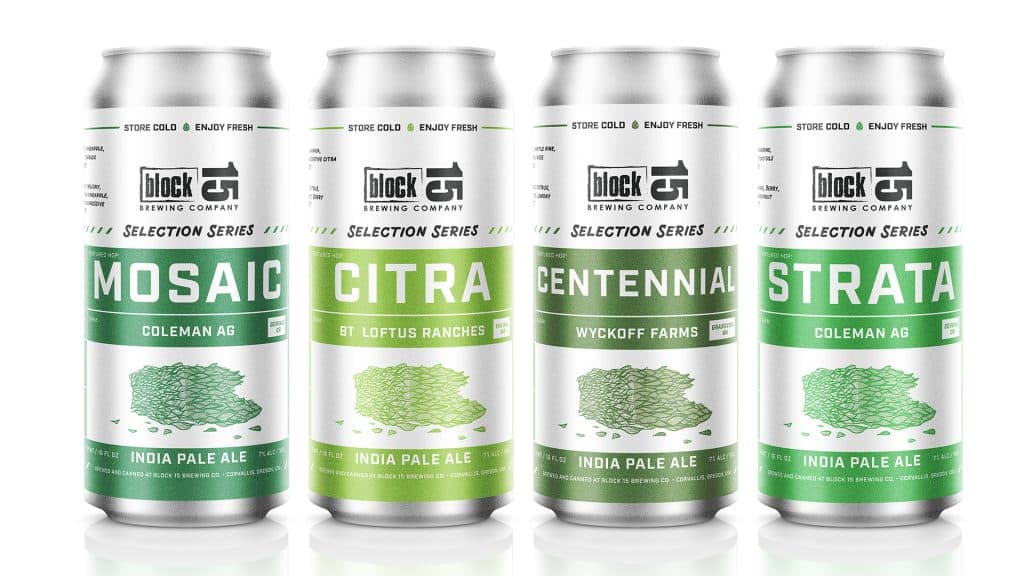
Terroir in hops is real. Even the same varieties grown in nearby fields can wind up with different attributes, and beloved varieties can vary from farm to farm and lot to lot. Some drinkers are interested, too—and might pay a premium.