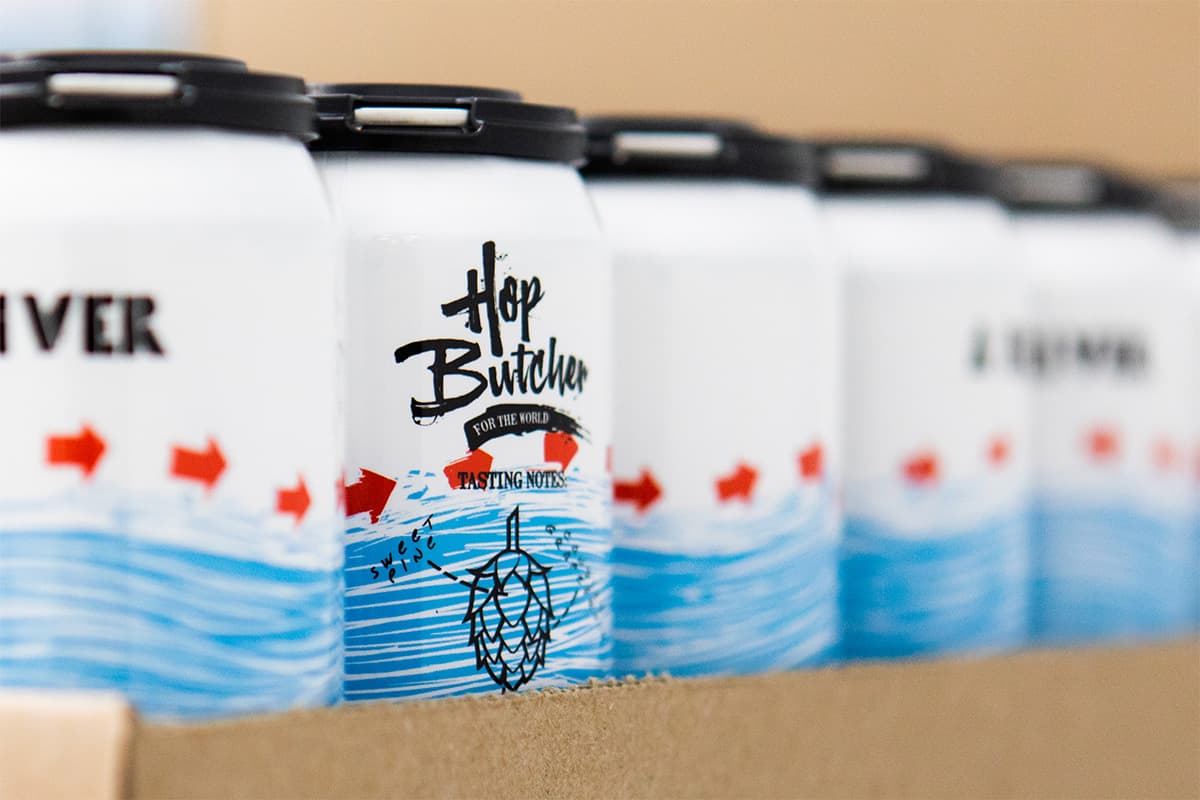
Here Are Some Cold Facts about Hops, Hop Products, and Shelf Life
Industry All Access
There are plenty of levers that brewers can pull to help their hop-forward beers taste fresher, for longer, out in the wild.

7 articles in this category
There are plenty of levers that brewers can pull to help their hop-forward beers taste fresher, for longer, out in the wild.
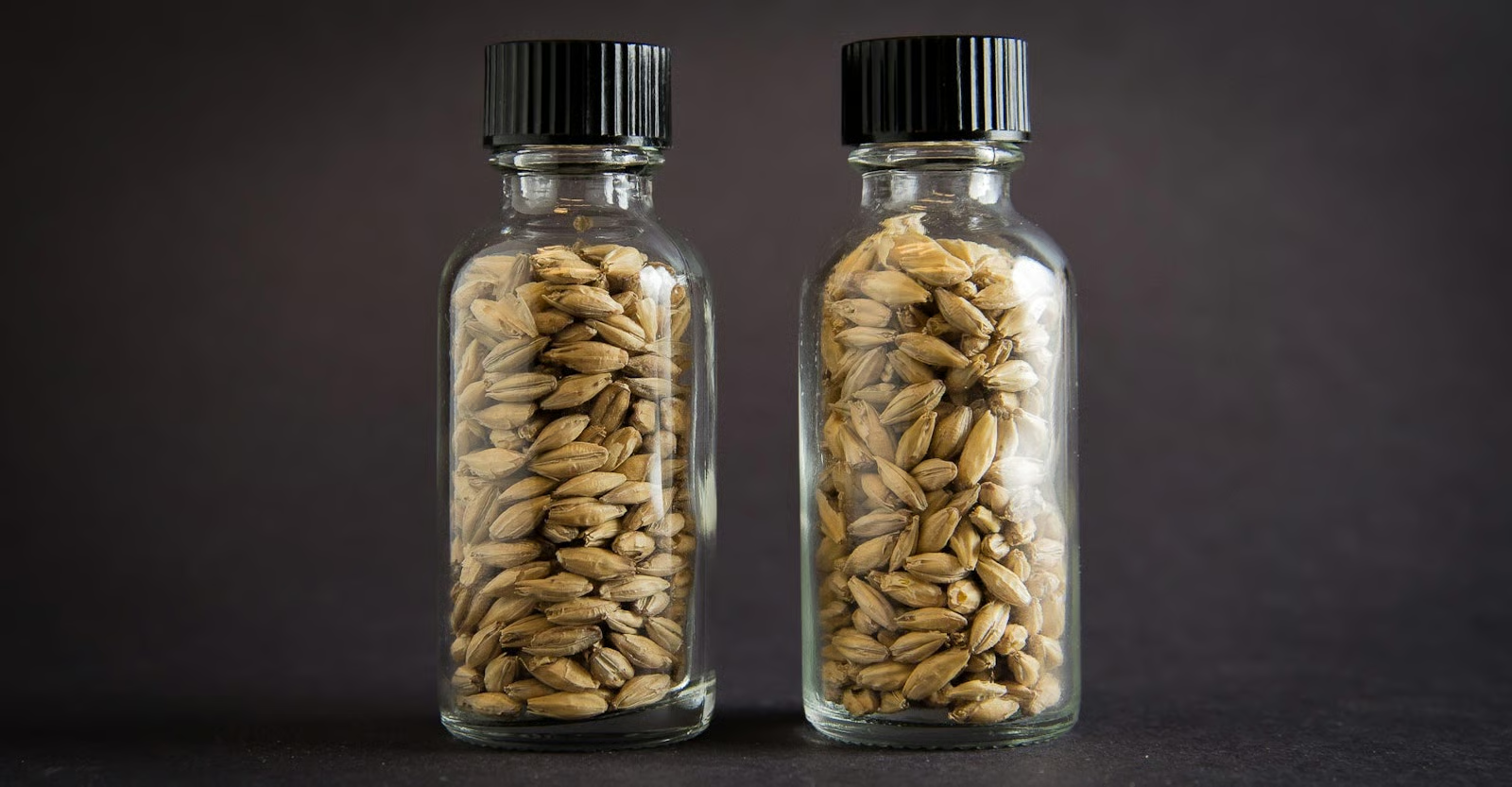
First developed by multinational lager breweries, hybrid malting barleys are now available that can extend shelf life while eliminating DMS and improving quality, among other possible benefits. Will smaller breweries find a use for them?
Successful breweries prioritize quality, from raw materials all the way to finished, packaged product. Yet even after your beer leaves the brewery grounds, there are ways to help ensure that people are enjoying the best possible version of it.
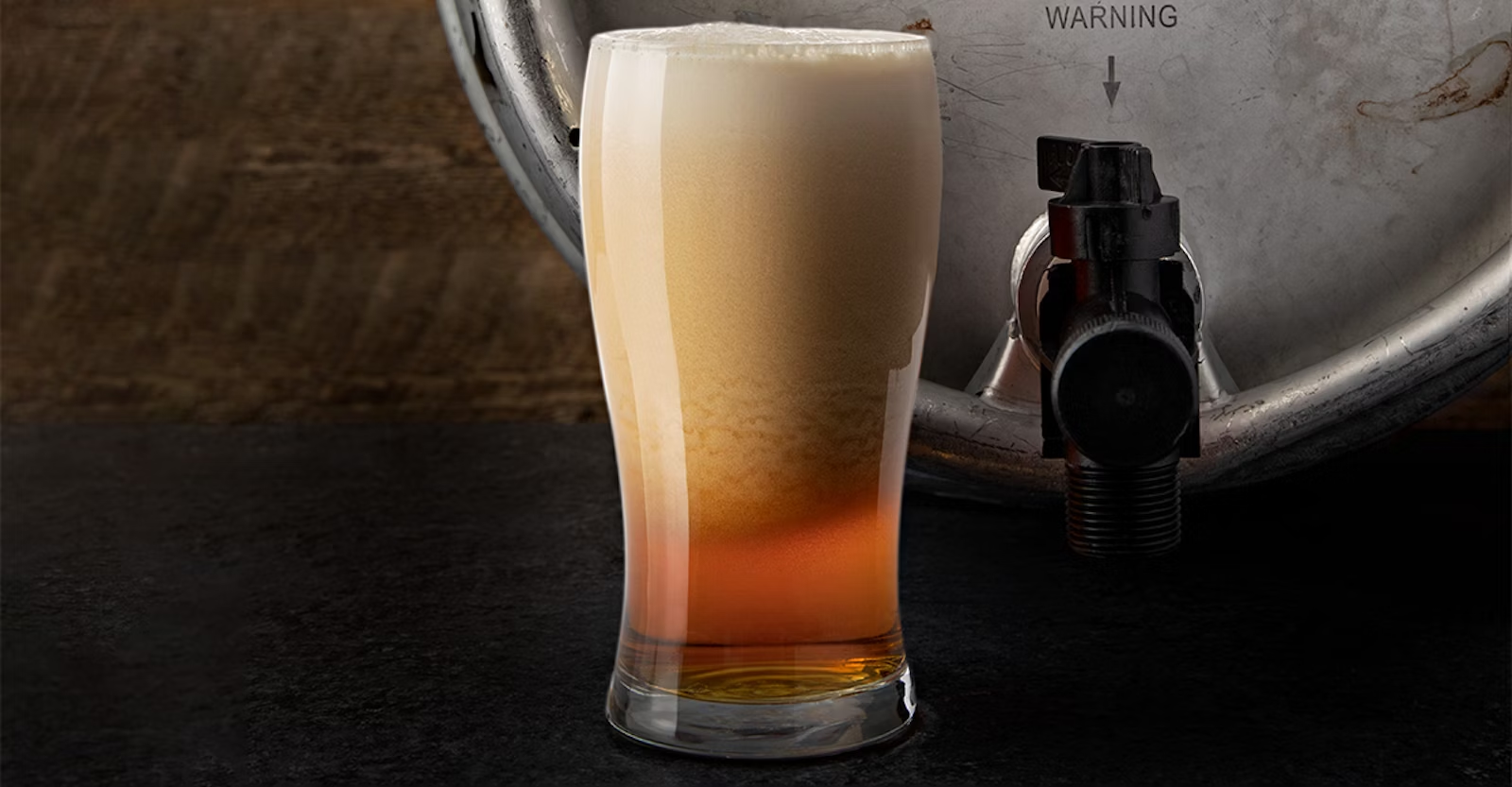
Conditioning in the container may be a path to longer shelf life, but it’s also a traditional way to prepare beer for the drinker—the beer is “alive” until it hits the glass. Here’s a technical look at two traditions that may provide inspiration for today’s brewers.
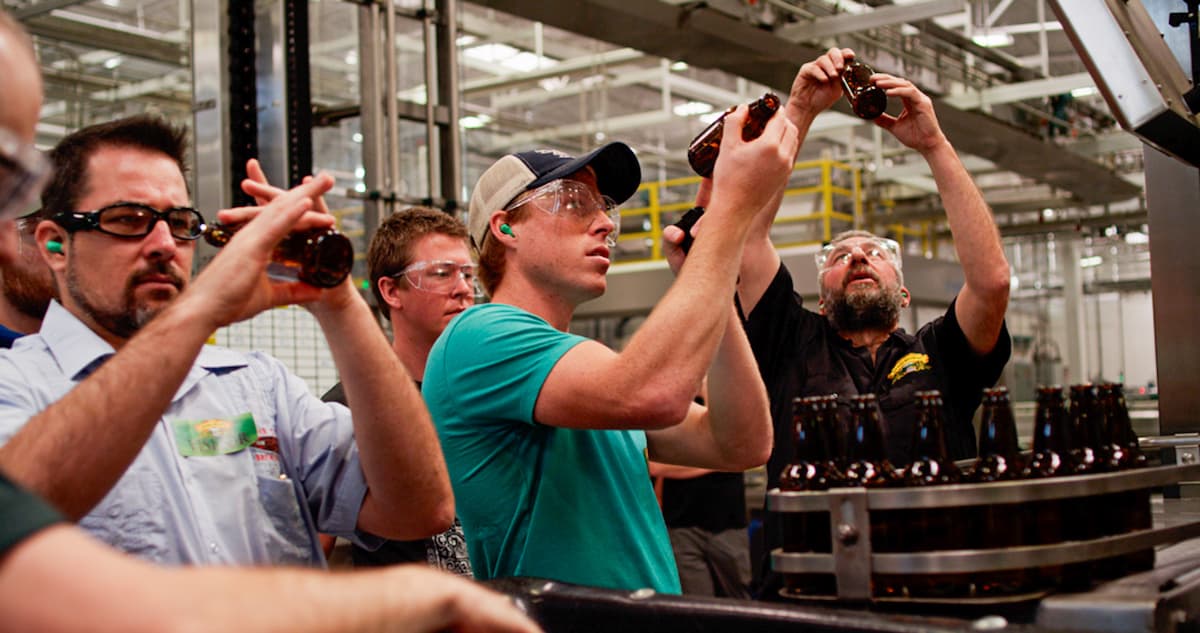
Scott Jennings, Sierra Nevada’s innovation brewmaster in Mills River, North Carolina, offers a closer look at the brewery’s dialed-in approach to bottle conditioning.
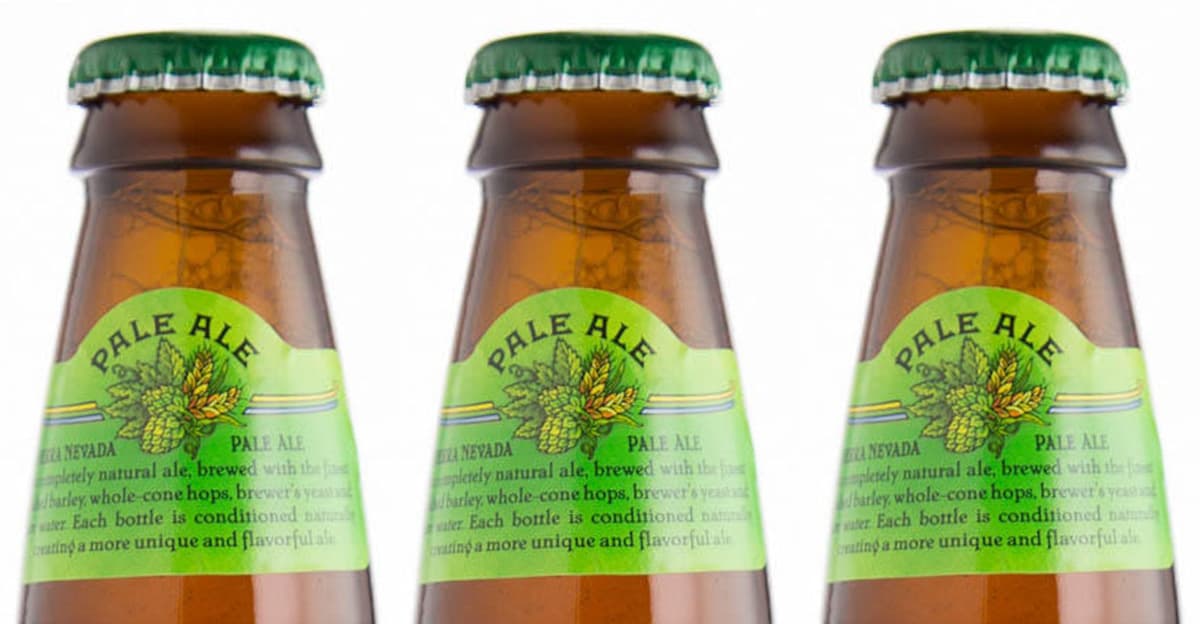
One of the most effective ways to increase shelf life is one of the oldest tricks in the book: package conditioning with a bit of fresh yeast. Yet there are pitfalls. Here’s how “the biggest natural-conditioning operation in the world” goes about it.
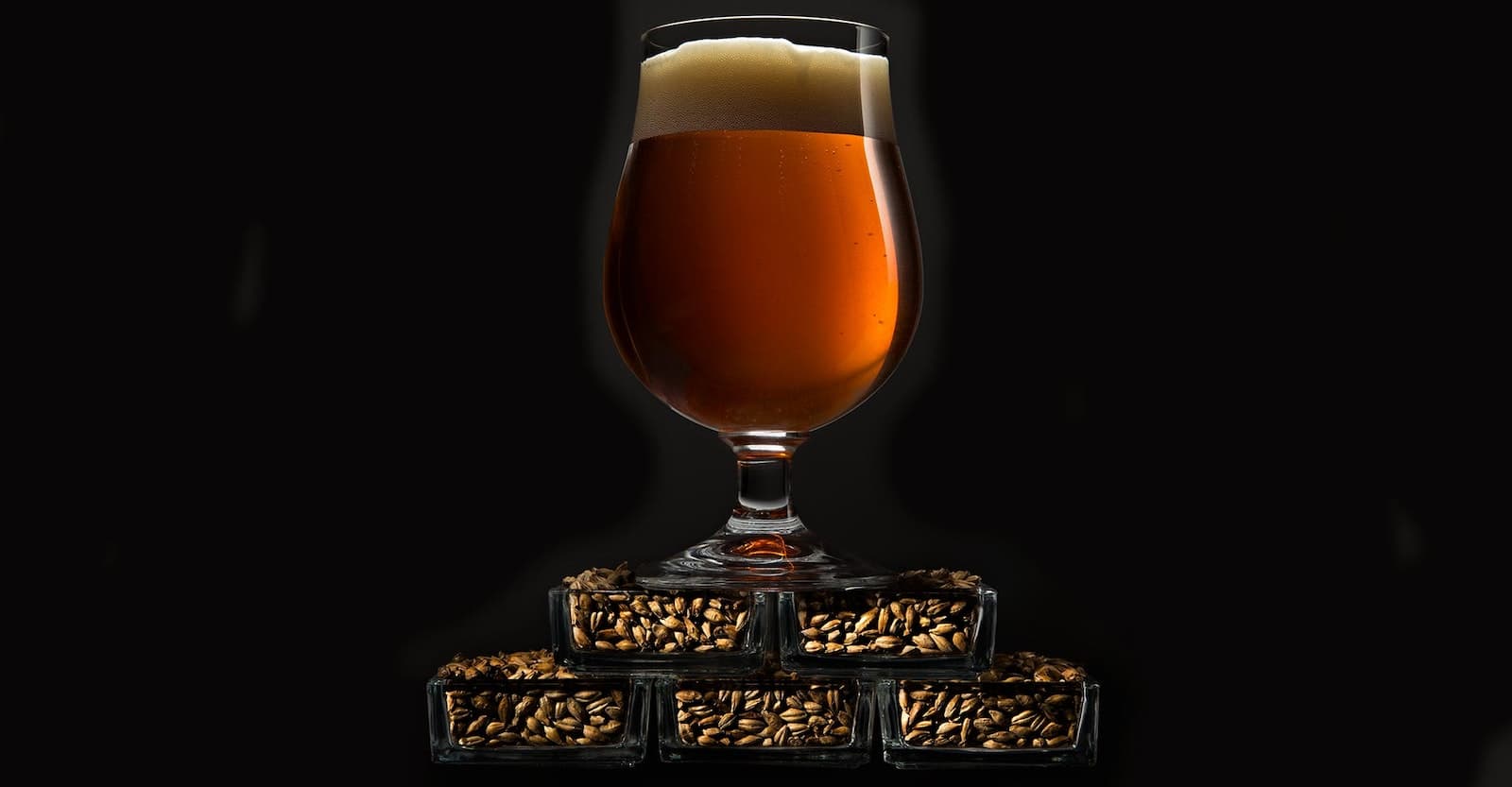
In the battle against staling, understanding your malt’s free amino nitrogen content is a tactic worth deploying.