As Craft Malt Matures, the Value Equation Shifts
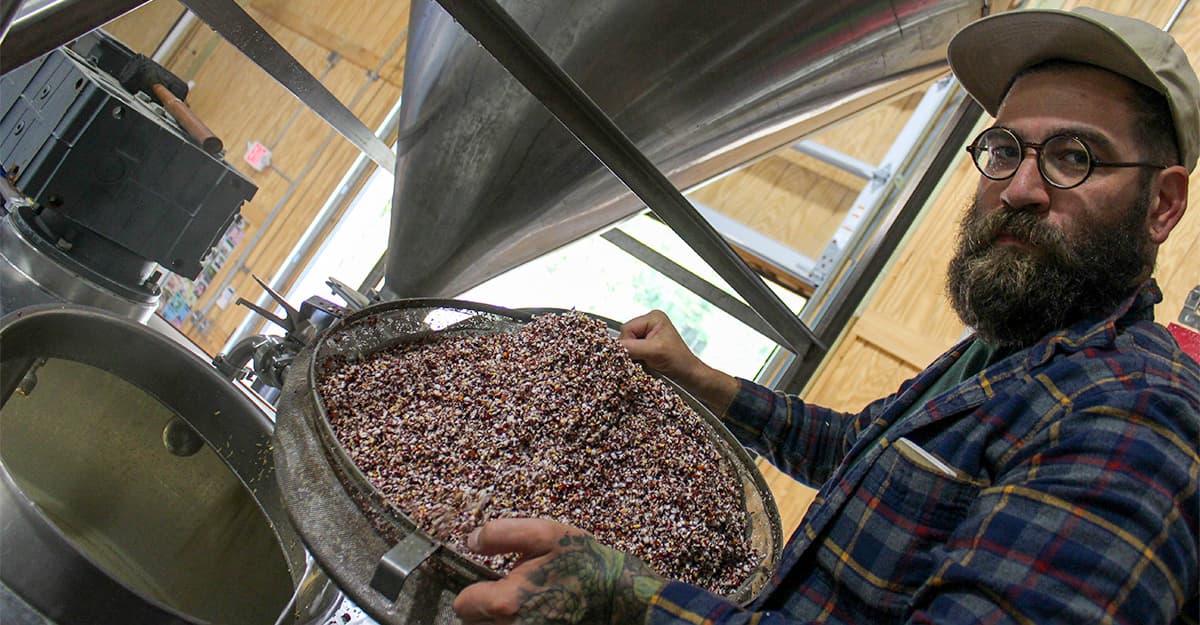
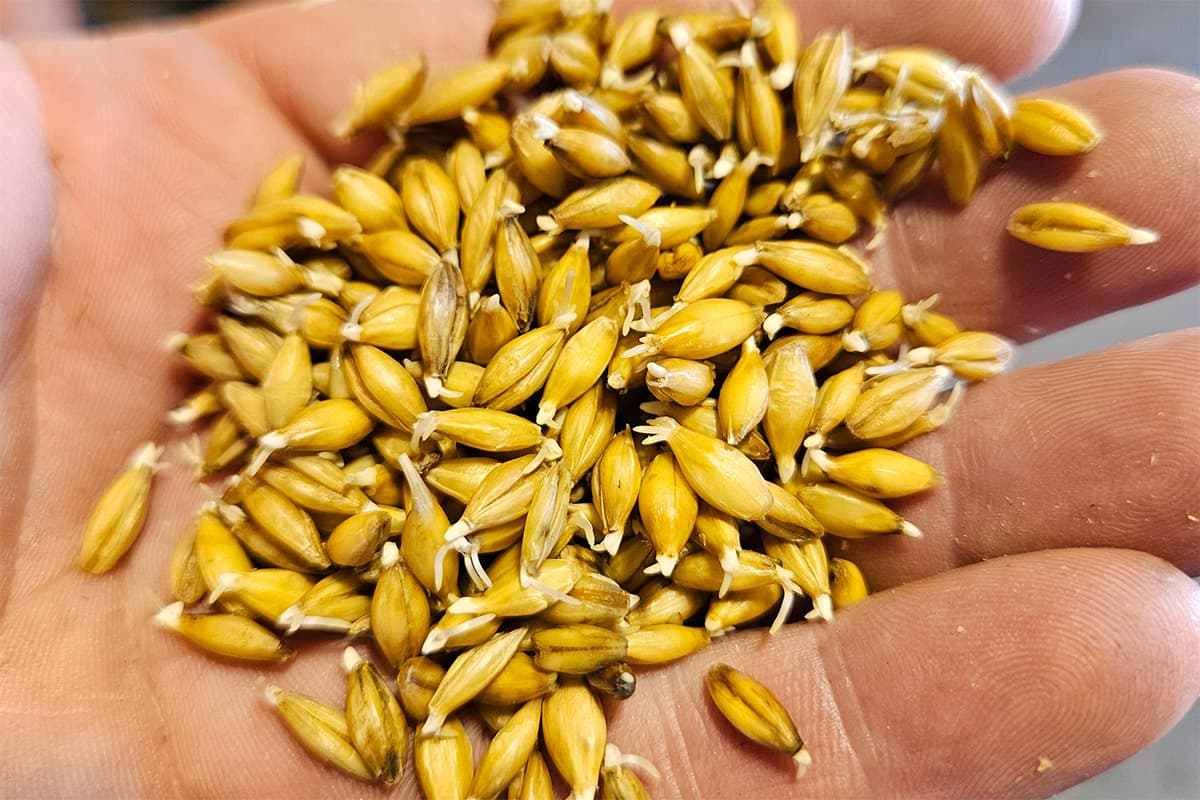
Once seen as a luxurious adventure—with high prices and inconsistent quality—local malts with fresh, unique flavors are winning over some brewers, even as the costs of imported malts rise.
12 articles in this category

Once seen as a luxurious adventure—with high prices and inconsistent quality—local malts with fresh, unique flavors are winning over some brewers, even as the costs of imported malts rise.

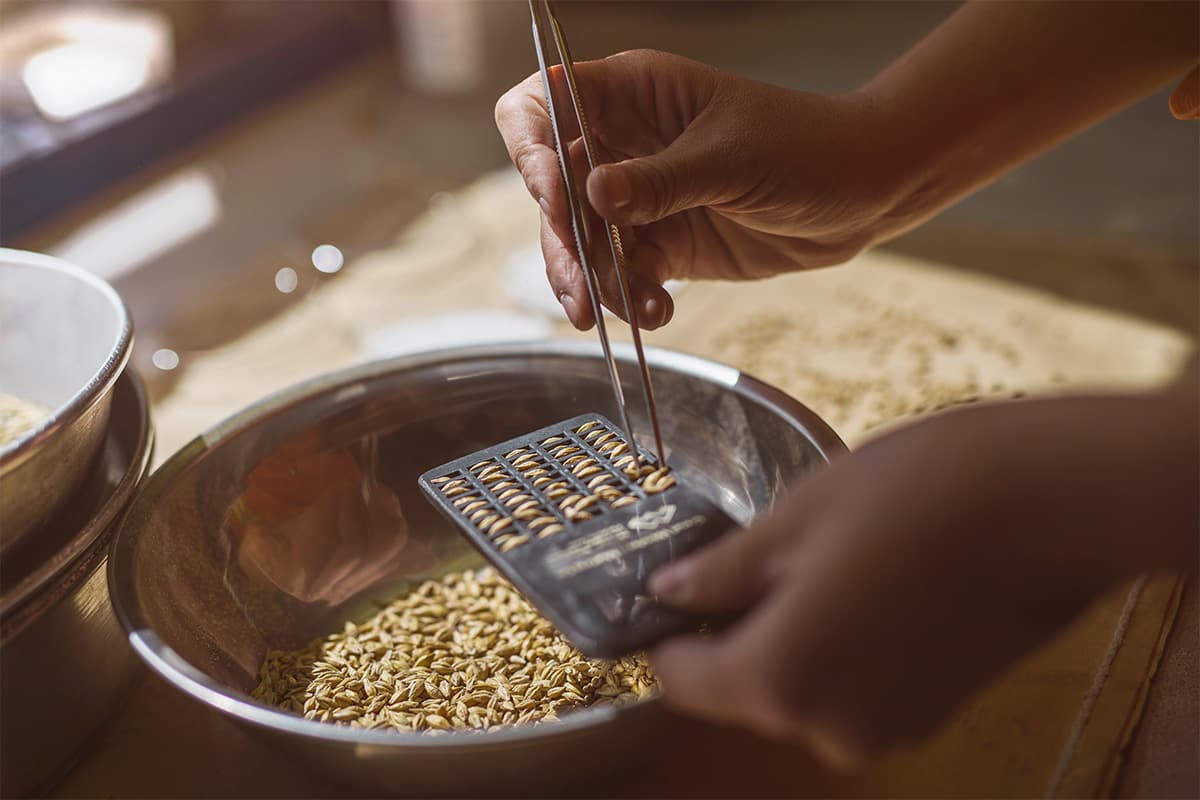
A new category in the 2026 Great American Beer Festival competition aims to raise the profile of craft maltsters and their offerings. Here’s what the malt-minded pros suggest for brewing up an entry—and it starts with collaboration.

The stats that come with your malt can be a challenge to decipher, but cracking that code can lead to better, more consistent beer. From brewers and maltsters who know the scores, here are tips on how to make the best use of them in your brewery.

First developed by multinational lager breweries, hybrid malting barleys are now available that can extend shelf life while eliminating DMS and improving quality, among other possible benefits. Will smaller breweries find a use for them?

As the climate changes, so does our malt. With the weather in barley-growing regions more prone to extremes than it once was, brewers are often facing lower efficiencies, higher finishing gravities, or stubborn lauters—unless they’re ready to adjust.

Amid the enduring popularity of soft, pale, hazy IPAs, maltsters have worked to develop wheat malts specifically meant to fit the (grain) bill. Here are two examples, with insights from brewers who use them.

The farming practices are still new and not always clearly defined, but supporters of regenerative agriculture make the case that it could lead to better grains, better beer, and happier farmers.

From the barley farmer’s rain forecast to adjusting your grain bill, here’s how malt develops its protein content and what that means for your beer.

In IPAs, hops do the talking, but building the right platform gives them the best chance to have their say. Here, a few award-winning brewers share advice on creating that malt base—especially for the American and West Coast styles—plus, we look at a new base malt designed especially for IPA.

Going beyond barley into ancient grains can be a way to form stronger connections with local farmers, promote sustainable agriculture, and produce more distinctive beers.

In the battle against staling, understanding your malt’s free amino nitrogen content is a tactic worth deploying.

In pursuit of character and in support of farms, brewers are looking to unmalted grains, including unusual varieties and those grown close to home.