As Craft Malt Matures, the Value Equation Shifts
Once seen as a luxurious adventure—with high prices and inconsistent quality—local malts with fresh, unique flavors are winning over some brewers, even as the costs of imported malts rise.
15 articles in this category

Once seen as a luxurious adventure—with high prices and inconsistent quality—local malts with fresh, unique flavors are winning over some brewers, even as the costs of imported malts rise.

A new category in the 2026 Great American Beer Festival competition aims to raise the profile of craft maltsters and their offerings. Here’s what the malt-minded pros suggest for brewing up an entry—and it starts with collaboration.

Amid craft lager’s surge, smaller maltsters are sending up signals for an unlikely trend, producing small batches of unusual smoked malts made with a variety of woods. Brewers dig it, too—but will drinkers follow?

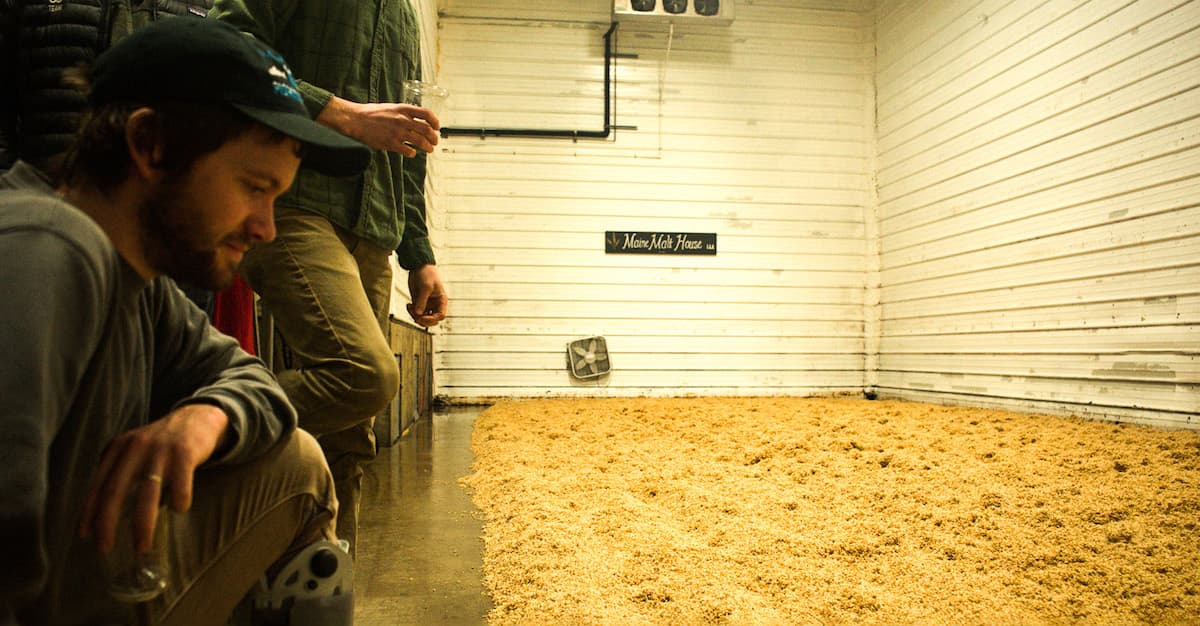
Developing a malt especially for your brewery takes some planning, but there are potential benefits—such as nailing a target flavor within your process, making beer from truly local grain … or just the fun of finding out what it tastes like.

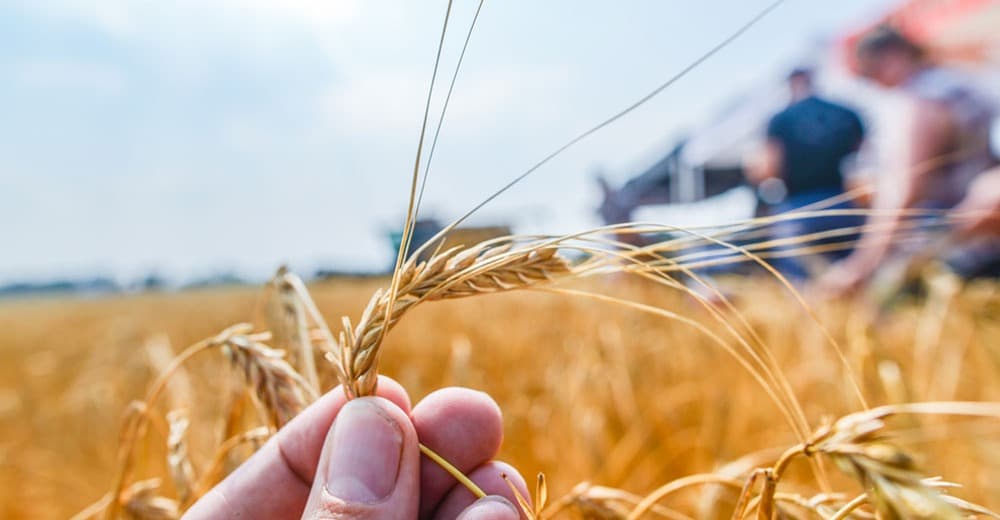
The farming practices are still new and not always clearly defined, but supporters of regenerative agriculture make the case that it could lead to better grains, better beer, and happier farmers.

From the barley farmer’s rain forecast to adjusting your grain bill, here’s how malt develops its protein content and what that means for your beer.

Despite recent troubles with input costs and supply chain, the vibes coming from the malt market seem relatively calm and upbeat. Hey, let’s not jinx it.

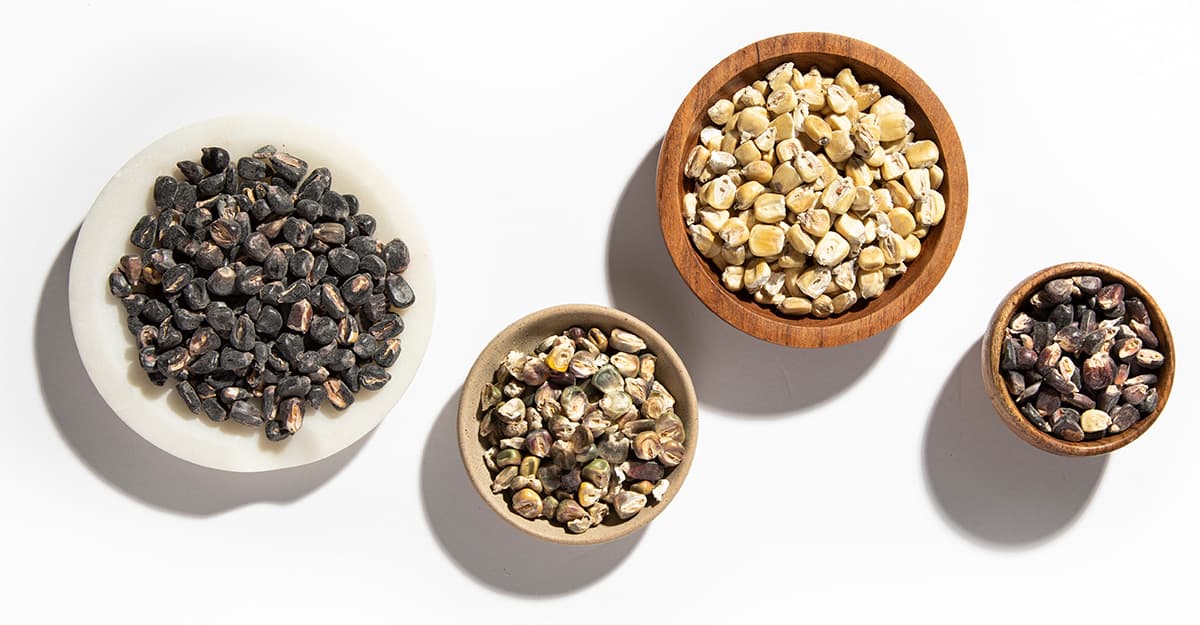
While malted corn isn’t always easy to work with, craft maltsters and brewers are figuring out how best to use what is essentially a new and flavorful ingredient. As interest grows, so will the options and the expertise.

Some brewers are turning to heritage barley varieties for malts that can add new character to their beers—and attract new fans.

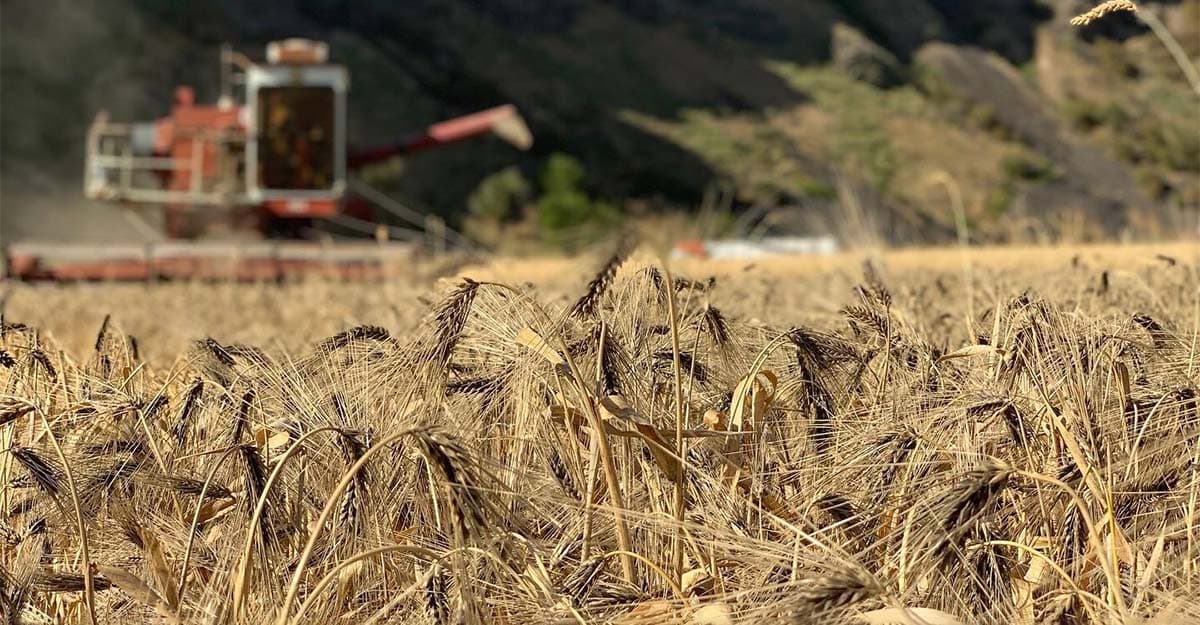
Efficiency and the needs of industry have dominated North American barley growing, limiting what’s grown and where. However, independent brewers seeking locally grown options are spurring the development of new, distinctive varieties in unusual places.

As small breweries proliferate, the largest malt producers—known for consistency, quality, and scale—aim to innovate and stay nimble to serve the changing market.

Quality, price, and scalability remain drawbacks for small-batch local malt, but many small breweries argue that the benefits far outweigh the costs.

From online hops selection and virtual harvest to Craft Malt Week, producers and brewers are finding new ways to connect while travel is limited.

As reduced sales are hitting craft brewers during the pandemic, so are they hitting craft maltsters in turn.

Tim Matthews of Oskar Blues is working to help solve a “major illiteracy problem in malt” by swapping out a portion of his brewery's commercial malt for stuff from small, local maltsters.