Packaging: A Look at Digital Can Printing for Small Breweries
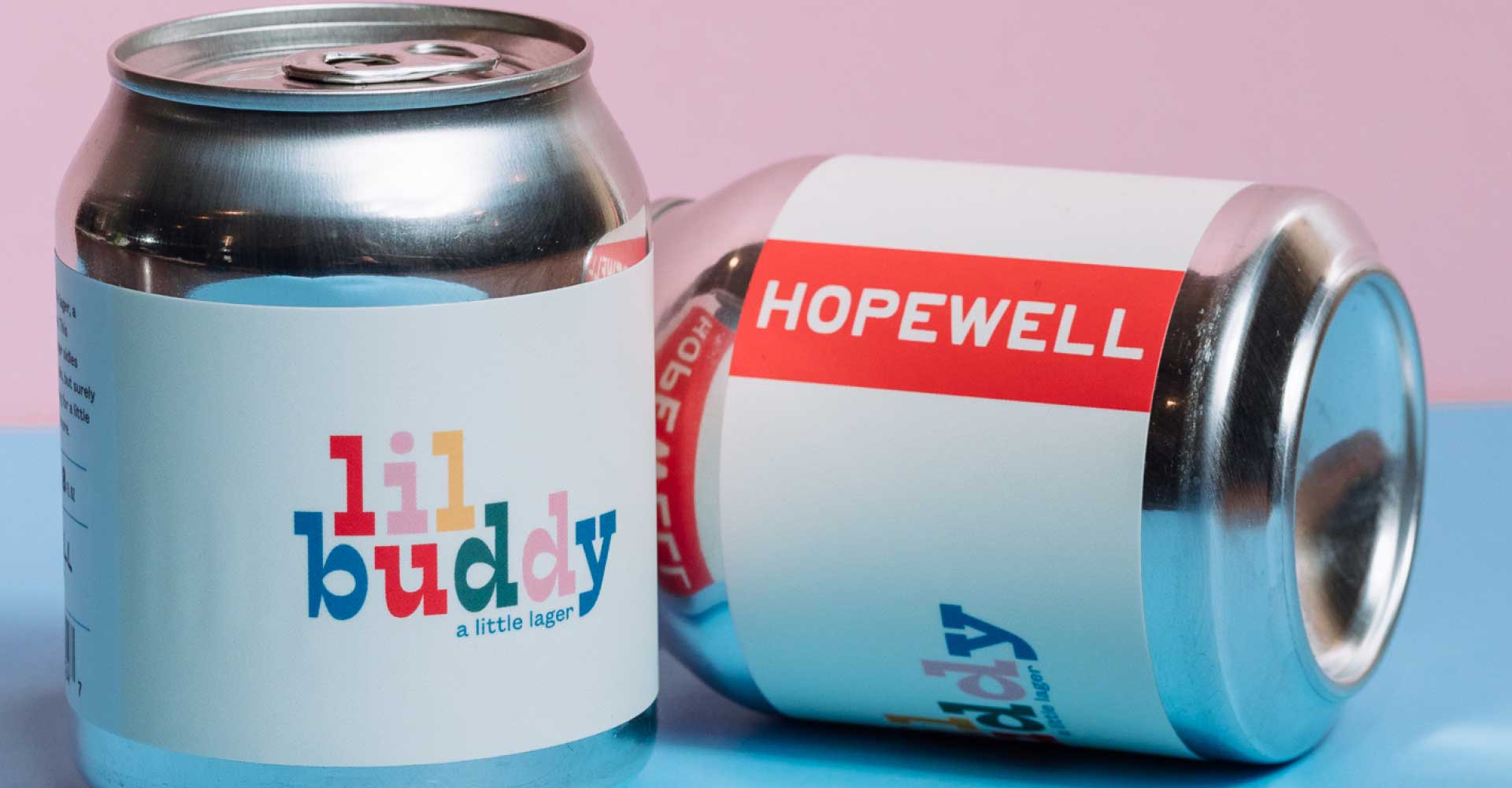
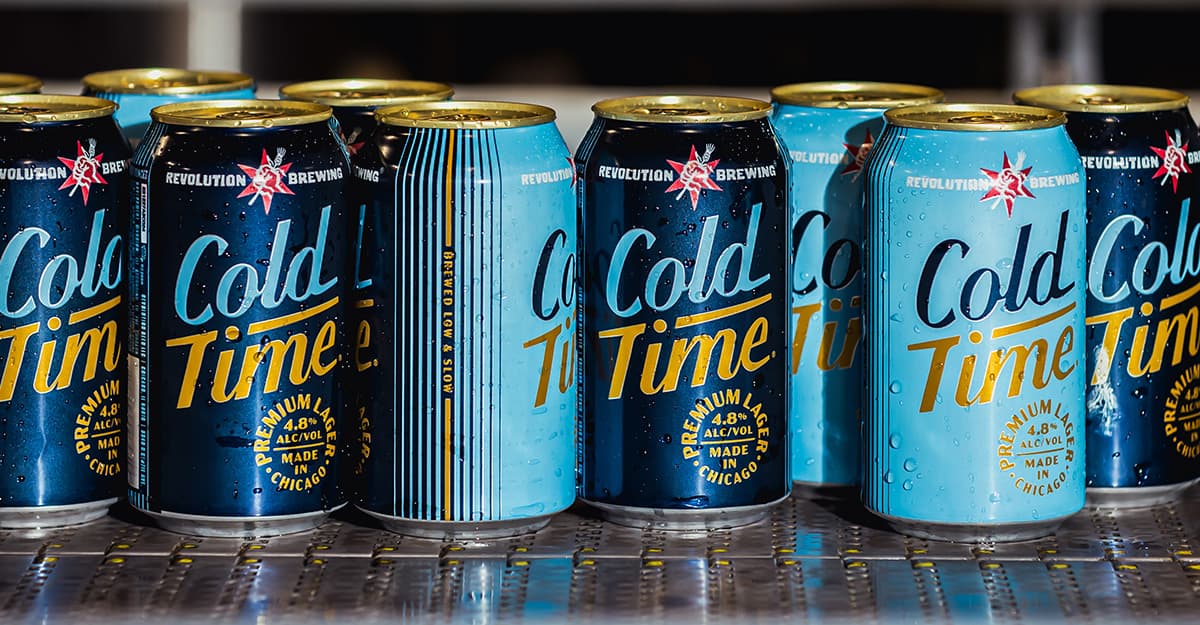
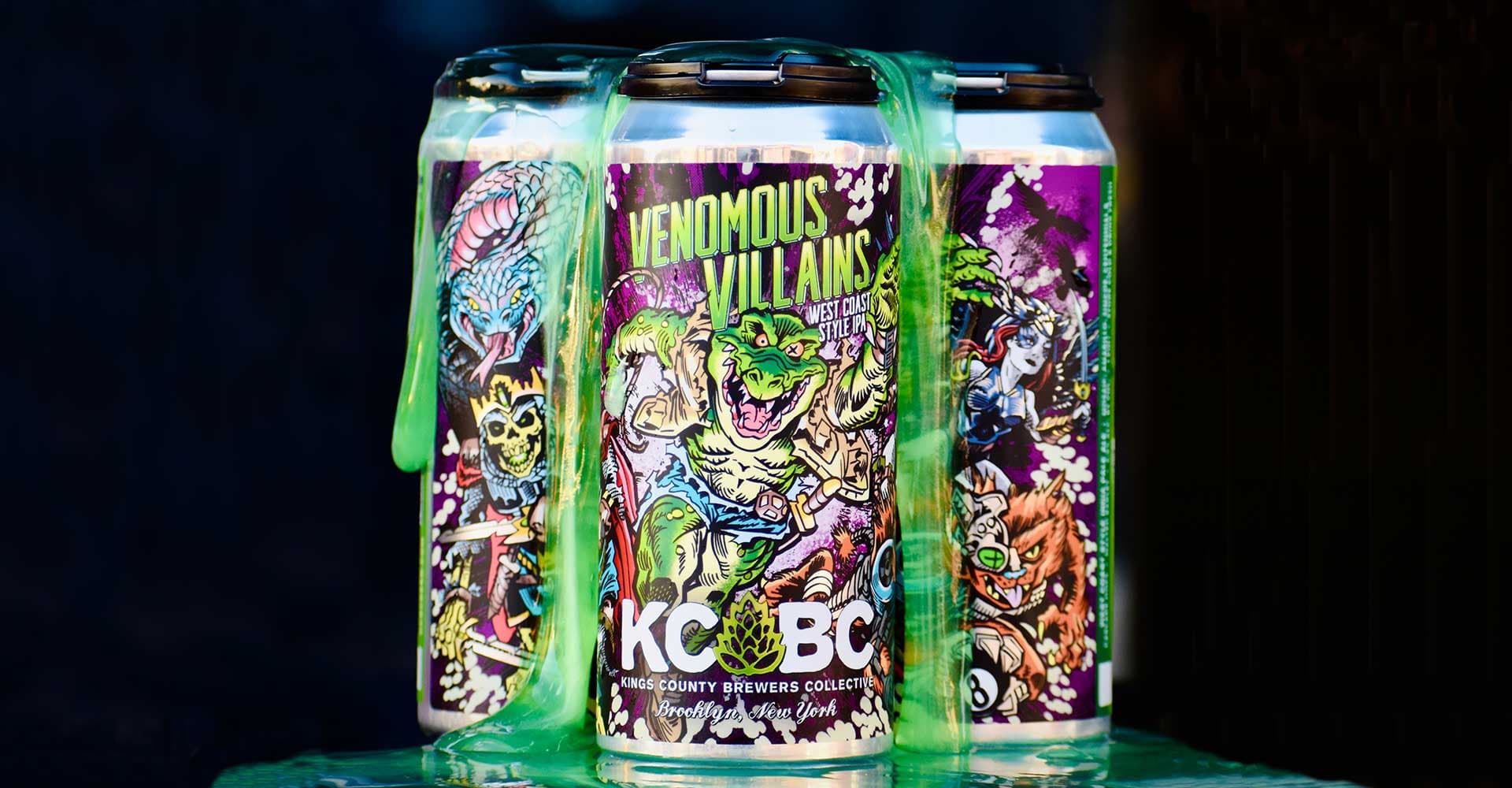
While the tech is still young, the digital printing of cans is growing in capacity and becoming more accessible—and it can be done quickly, in batches as small as a half-pallet.
22 articles in this category

While the tech is still young, the digital printing of cans is growing in capacity and becoming more accessible—and it can be done quickly, in batches as small as a half-pallet.

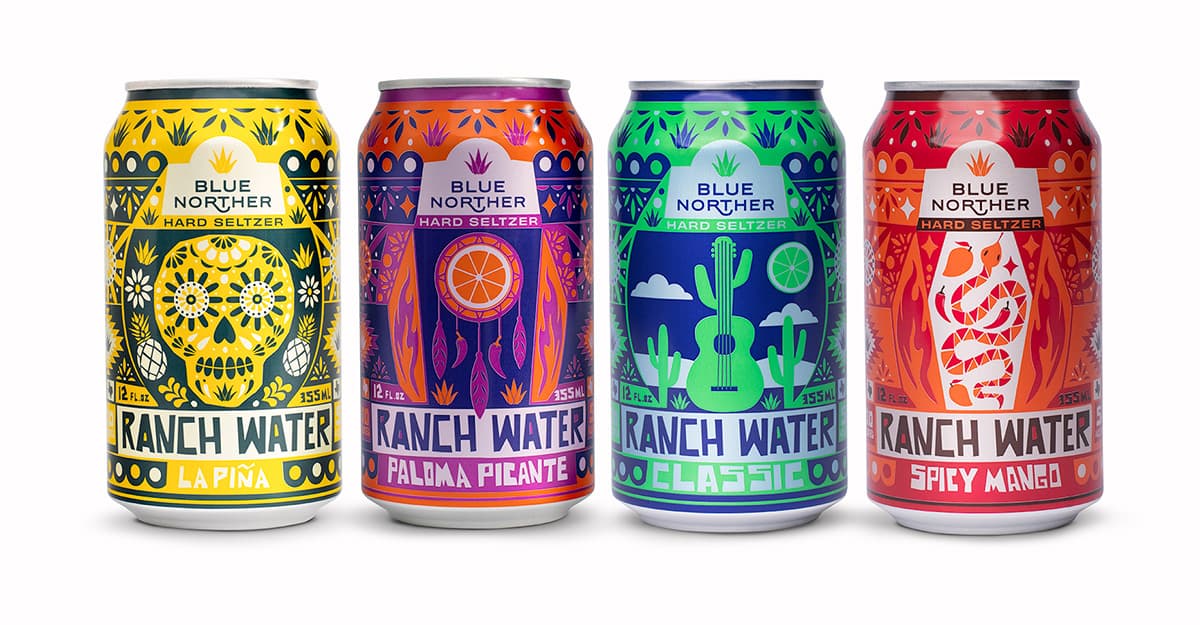
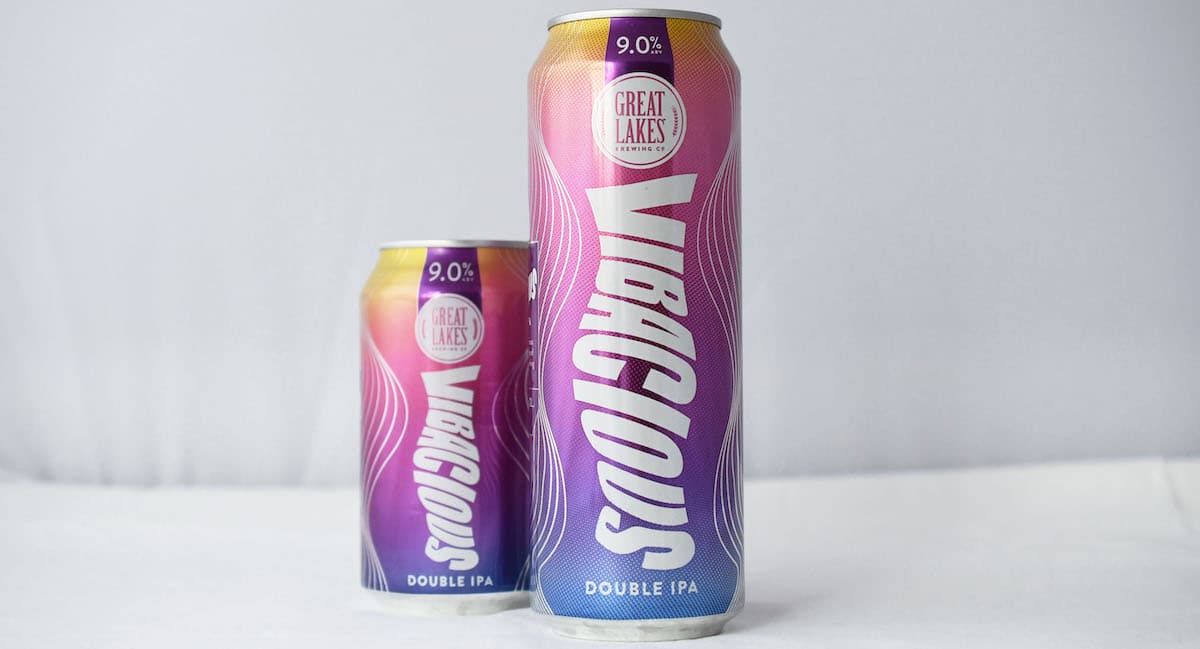
From nostalgia and augmented reality to big cans and clear communication of flavor, here’s how today’s breweries are standing out on increasingly crowded retail shelves.

New research and can-lining tech are expanding the options for beverages such as hard kombucha, canned cocktails, and more. Meanwhile, experts strongly urge brewers to test their cans thoroughly before releasing new drinks to market.

Much of the growth in convenience-store beer coolers is in the form of large, single-serve packages—but that doesn’t make the stovepipe a sure bet for all breweries.

From retail woes to baby cans of grownup beer, here are some recent news and announcements from around the industry.

From an icon going hazy to resealable beer cans, here are some recent news and announcements from around the industry.

Ongoing supply-chain problems and concerns about recyclability make digital can printing a promising option in the years to come—which is why packaging companies are investing in printers and banking on growth.

The aluminum can manufacturer has agreed to delay until March 1 policy changes that disproportionately affect smaller, independent breweries.

Ball’s new minimum orders and higher prices have left independent brewers scrambling. Besides higher costs industry-wide, likely knock-on effects include streamlined SKUs, a return to labeling and shrink sleeves, and a boom in digital can printing.

Even as the shortage of aluminum cans gradually eases, supply-chain issues are wreaking havoc on price and availability. Here are specific tips for making sure you have the packaging you need, when you need it.

As prices increase on everything from PakTech carriers to cardboard, here’s how breweries are thinking creatively—and sustainably—to reduce costs.

Tectonic shifts in buying behavior have caused a tidal wave of disruptions to packaged goods. Brewers have mostly managed to surf that wave, barely replacing lost draft volumes. Yet as consumer demand evolves, new formats offer new opportunities...

Hard seltzer continues to sparkle; cans are set to out-fill bottles; and brewers are betting high on low-strength, low-cal, low-carb.

Greater demand for cans, and wider varieties of beer and canning materials, are leading to greater potential for issues.

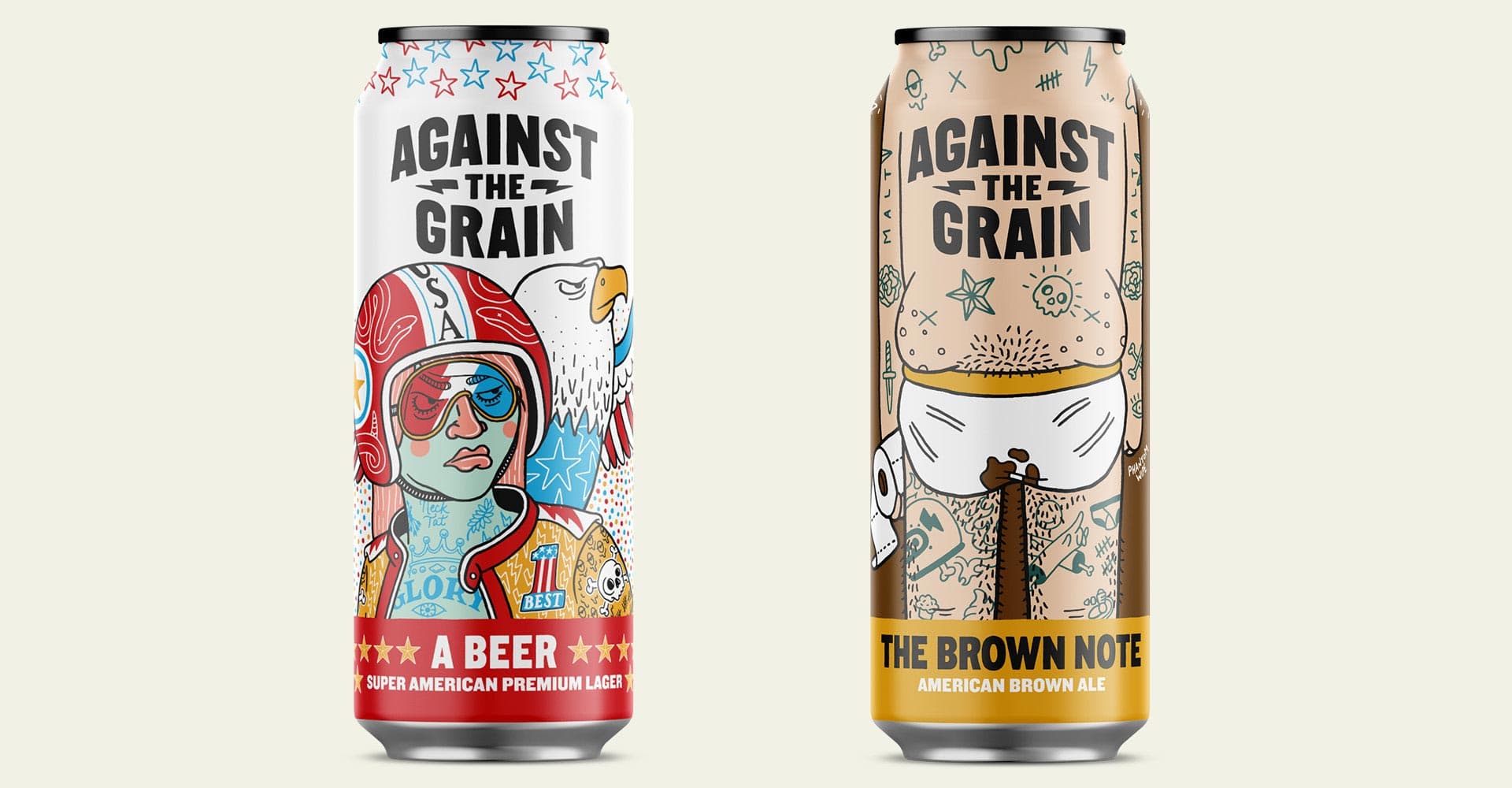
Kentucky’s Against The Grain Brewery has stood out for a number of reasons since it opened. One is its label art. Illustrator Robby Davis shares his story and creative process.

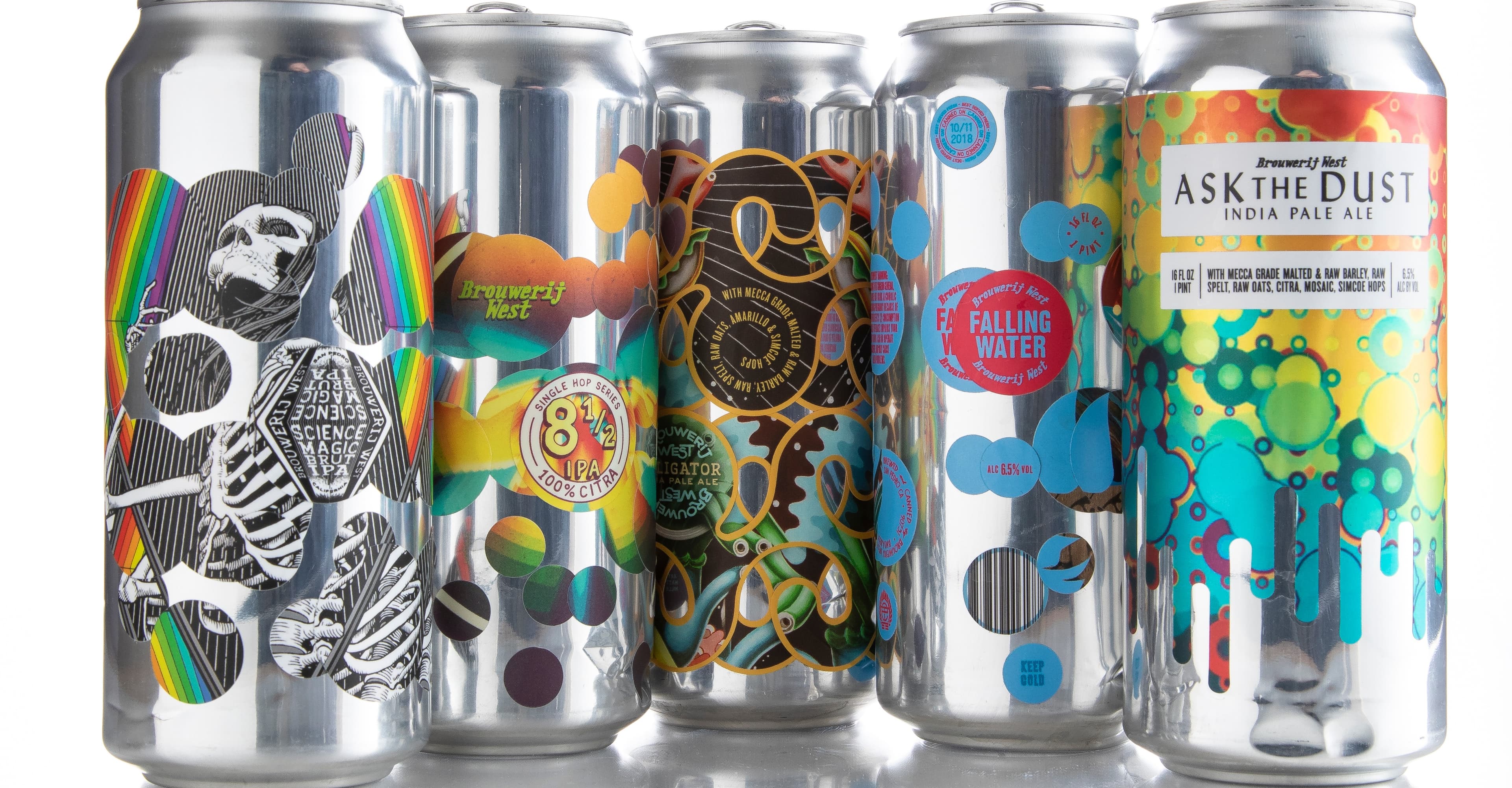
This isn’t the first time Brouwerij West has made our pages with their groundbreaking approach to label design and application. Here, Founder Brian Mercer shares some background on the philosophy and process behind their unique approach to can labels.

We spoke with small brewers along the spectrum, from single-fill manual packaging (crowlers, growlers) to mobile canning to owned canning lines, for this guide to getting the most from your packaging program.

Nathan Sanborn of Rising Tide Brewing Co. looks back at his decade of brewing to see the future. From changes in packaging to walking the line between core beers and fads, above all else, he cares about quality and sees it as the driver of his success.

Matthew Farber, PhD, shares common reasons why beer cans fail and what you can do to prevent potentially dangerous or embarrassing packaging mishaps.

The Department of Commerce found that the quantities and circumstances of steel and aluminum imports 'threaten to impair the national security.'