As Craft Malt Matures, the Value Equation Shifts
Once seen as a luxurious adventure—with high prices and inconsistent quality—local malts with fresh, unique flavors are winning over some brewers, even as the costs of imported malts rise.
7 articles in this category

Once seen as a luxurious adventure—with high prices and inconsistent quality—local malts with fresh, unique flavors are winning over some brewers, even as the costs of imported malts rise.

What does “local” taste like? Ask a microbe. From clean lagers to funky farmhouse ales, capturing yeast from your brewery’s backyard can lead to distinctive products that belong to their locale.

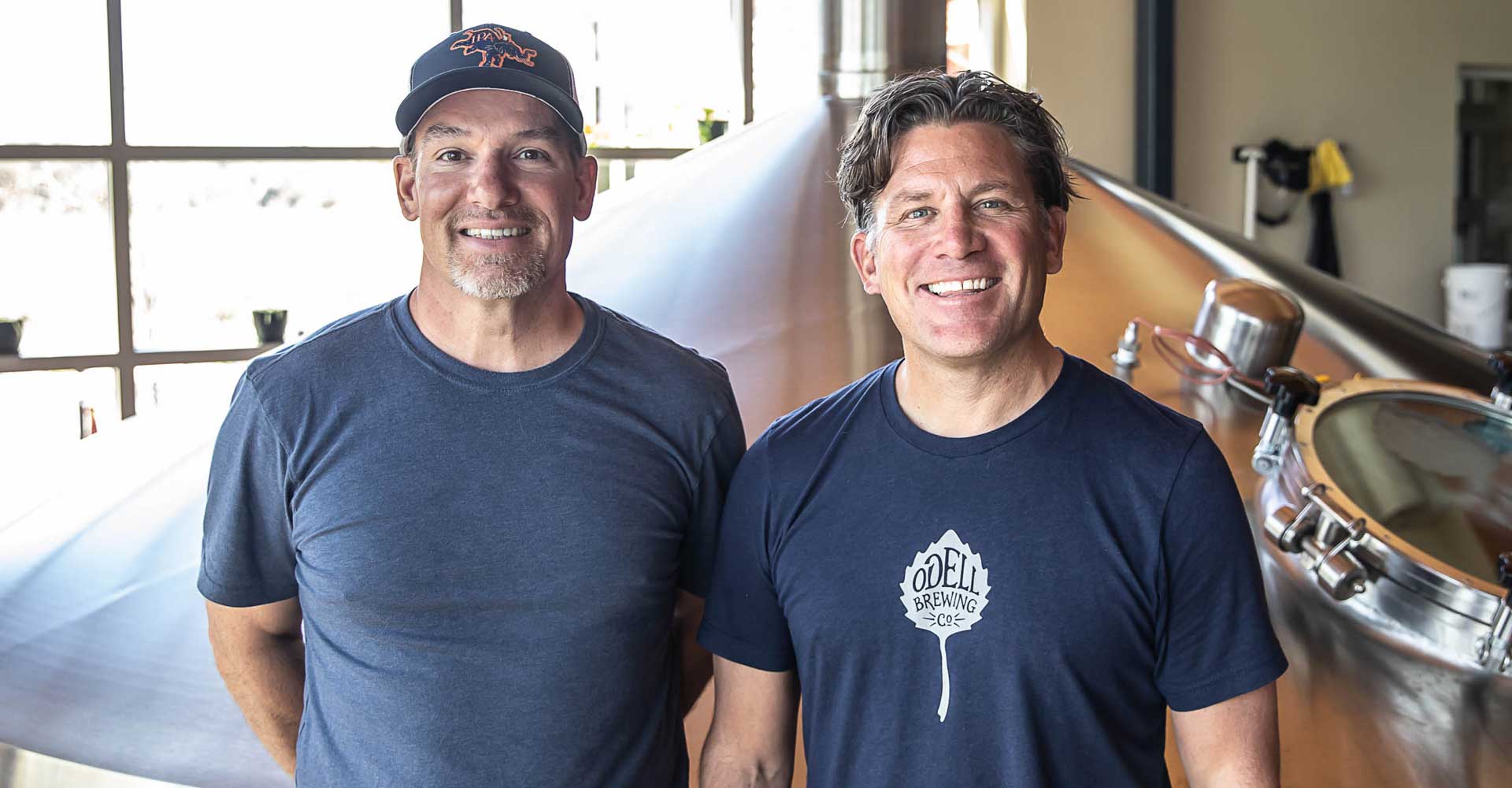
At times, Odell Brewing in Fort Collins, Colorado, has flirted with becoming a major national player. These days, McGivney as COO and Smitty as CEO are looking instead to dig deeper locally, appealing to a broader base of drinkers in their regional market.

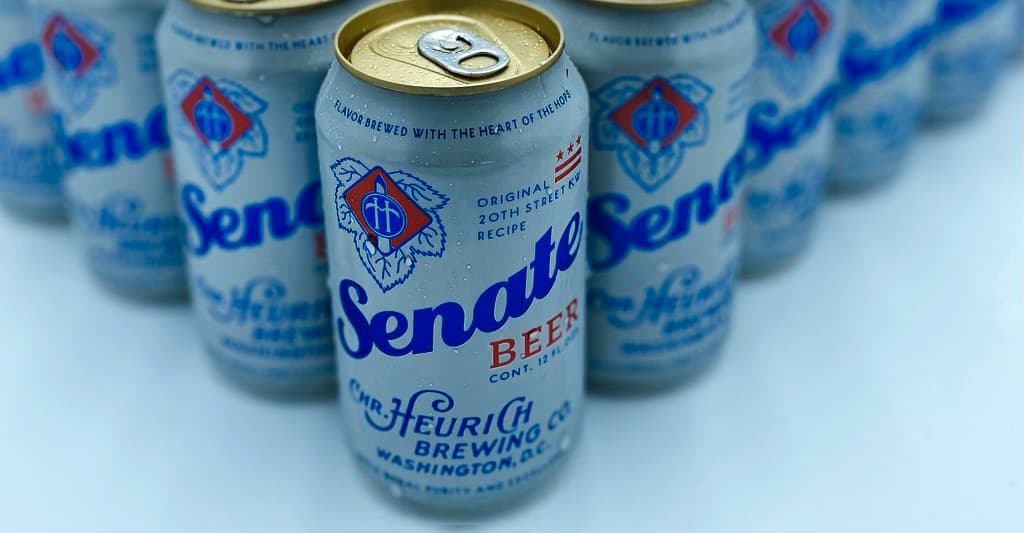
Driven by nostalgia, hometown connections, and the chance to sell some beer at volume, a handful of independent breweries are successfully reviving long-lost local lager brands.

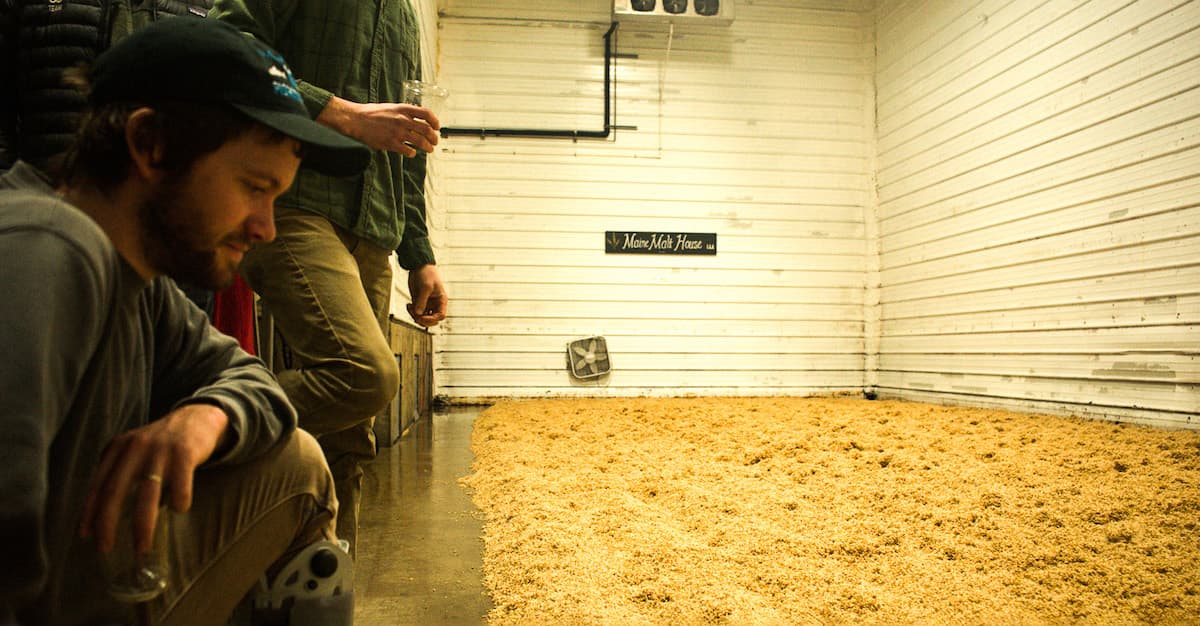
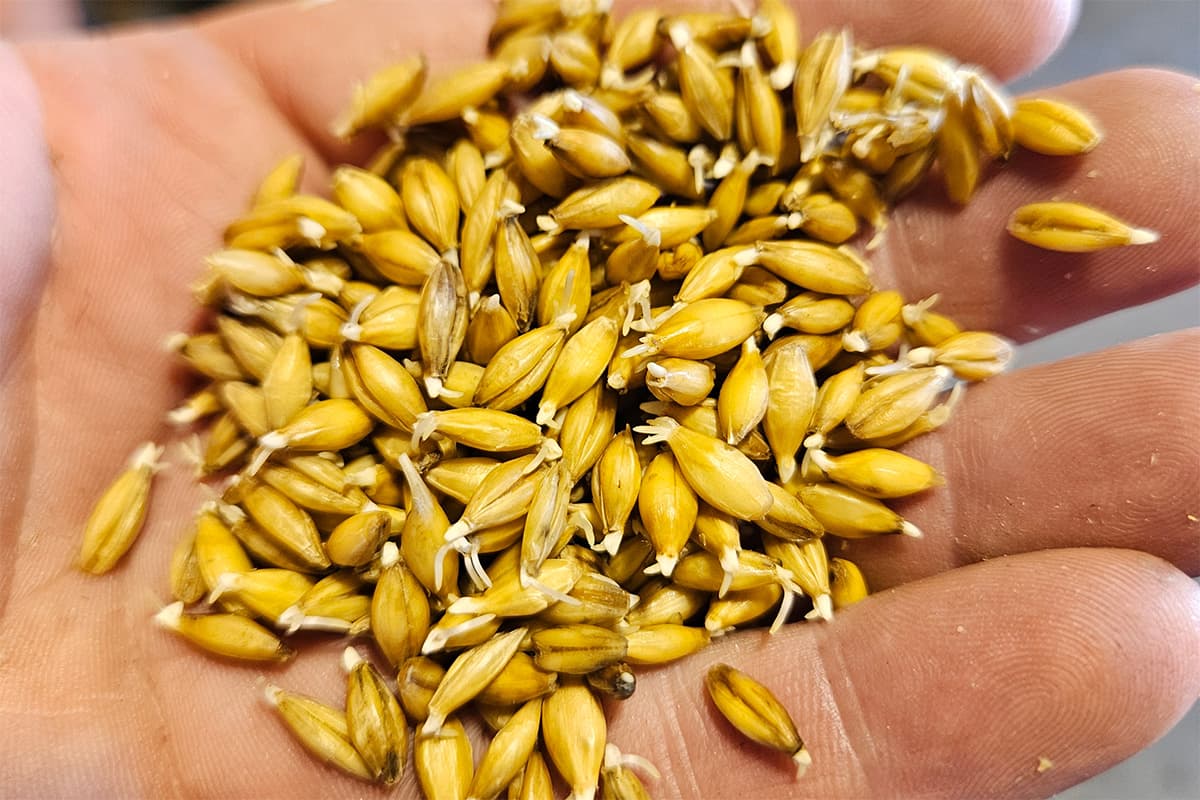
Quality, price, and scalability remain drawbacks for small-batch local malt, but many small breweries argue that the benefits far outweigh the costs.

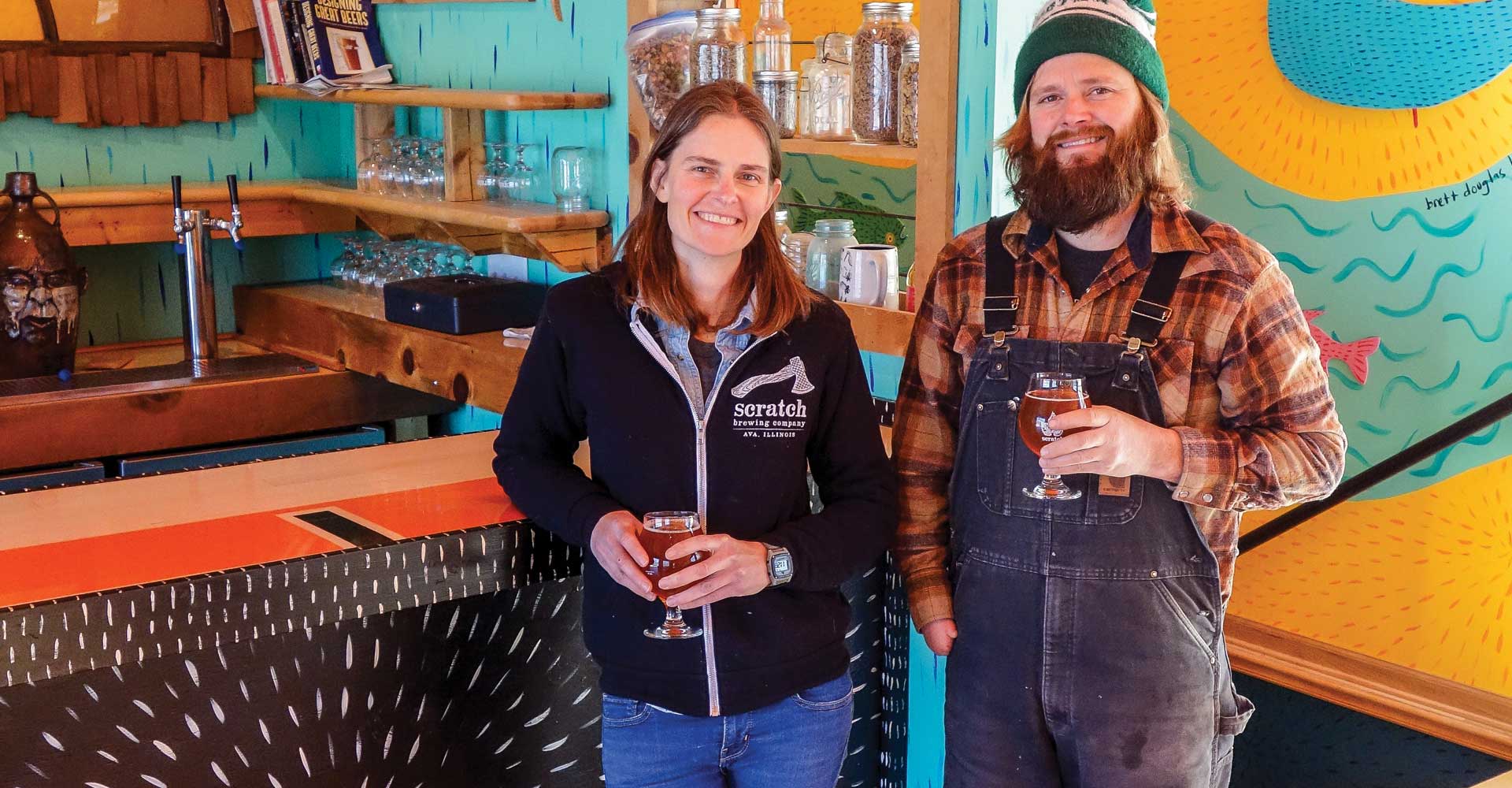
Plan your detours: This tiny, made-from-scratch southern Illinois brewery has become a destination by specializing in highly drinkable beers made from seasonal ingredients—such as mushrooms, tree bark, or leaves—that its duo find or grow themselves.

Jake Sauter, vice president of craft distributor Clear River Beverage in Minneapolis, sheds some light on the shifting landscape.
Browse every article filed under this tag.