From Brewhouse to Bar, Know Your Flow
From hard-plumbed process piping to the draft lines in your tasting room, the more precisely you can monitor the flow of liquids, the more efficient—and profitable—your brewery can be.
8 articles in this category

From hard-plumbed process piping to the draft lines in your tasting room, the more precisely you can monitor the flow of liquids, the more efficient—and profitable—your brewery can be.

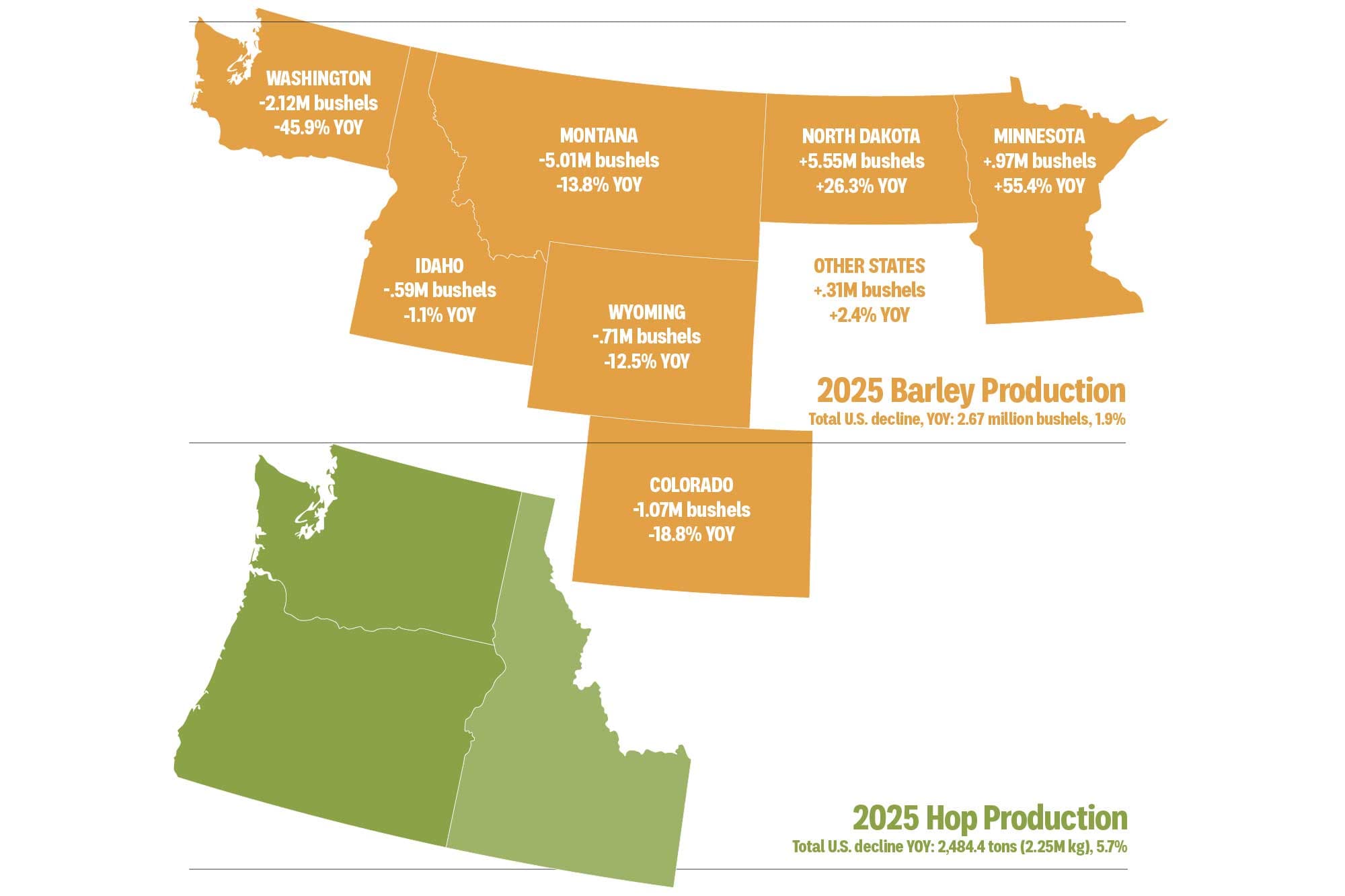
There’s no beer without the farmers who grow its ingredients, and there’s no sugar-coating the impact of beer’s current pullback on what they need from those farms. Here we map the year-over-year changes in barley and hop production based on data from the USDA.

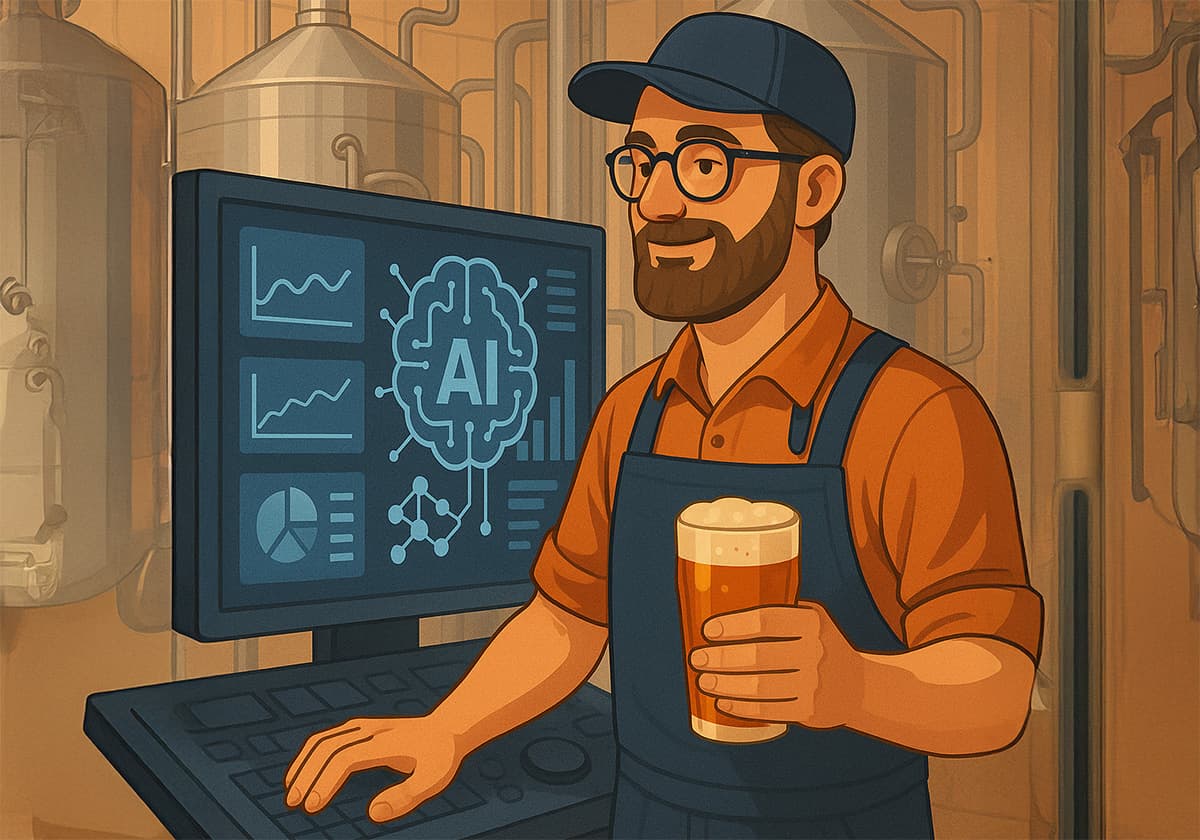
Artificial intelligence is here, and brewing will never be the same. But will it be death from a thousand cuts or a million little improvements?

Quality isn’t only about flavor and freshness—testing for color is important for making sure your beer is consistently meeting the drinker’s expectations. Here’s what to know.

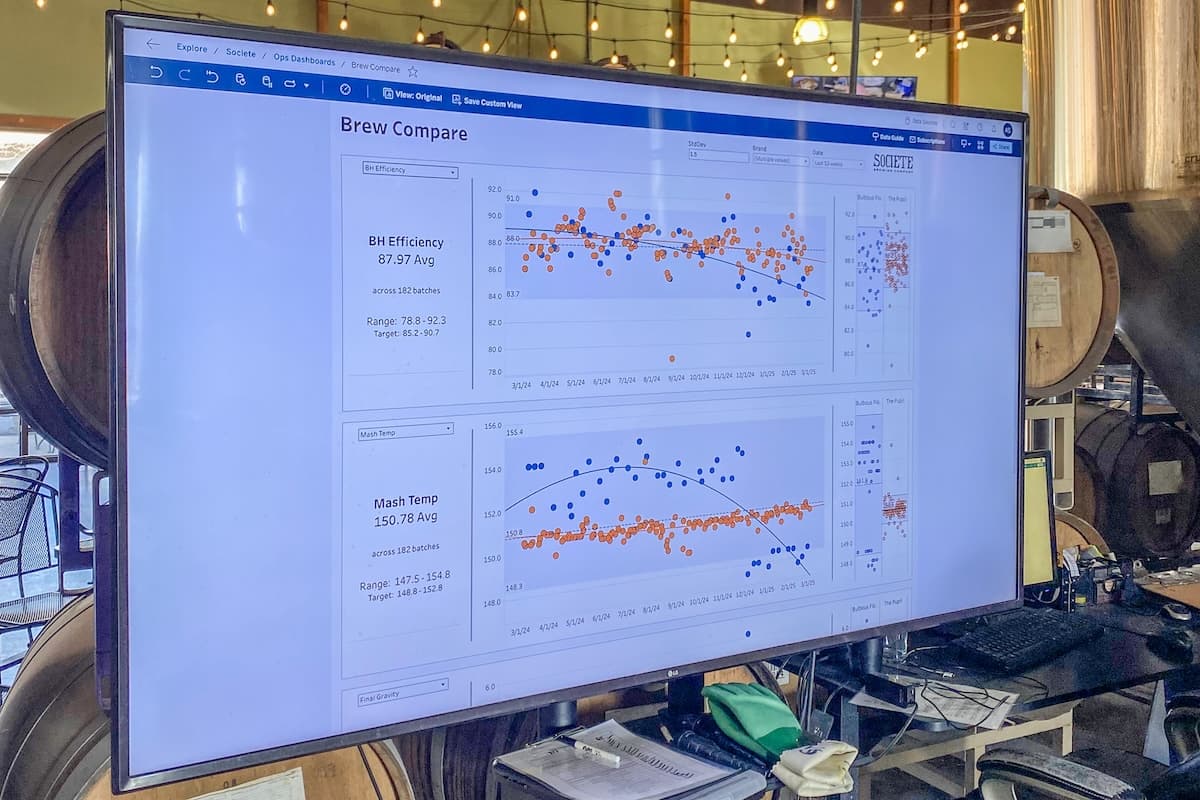
Craft breweries are awash in raw data, and the road to higher quality and wider margins begins with making better use of it.

In this clip from his video course, Breakside cofounder and brewmaster Ben Edmunds explains why ALDC is no silver bullet when it comes to hop creep—and how his team found a better way to use it while shaving off some tank time.

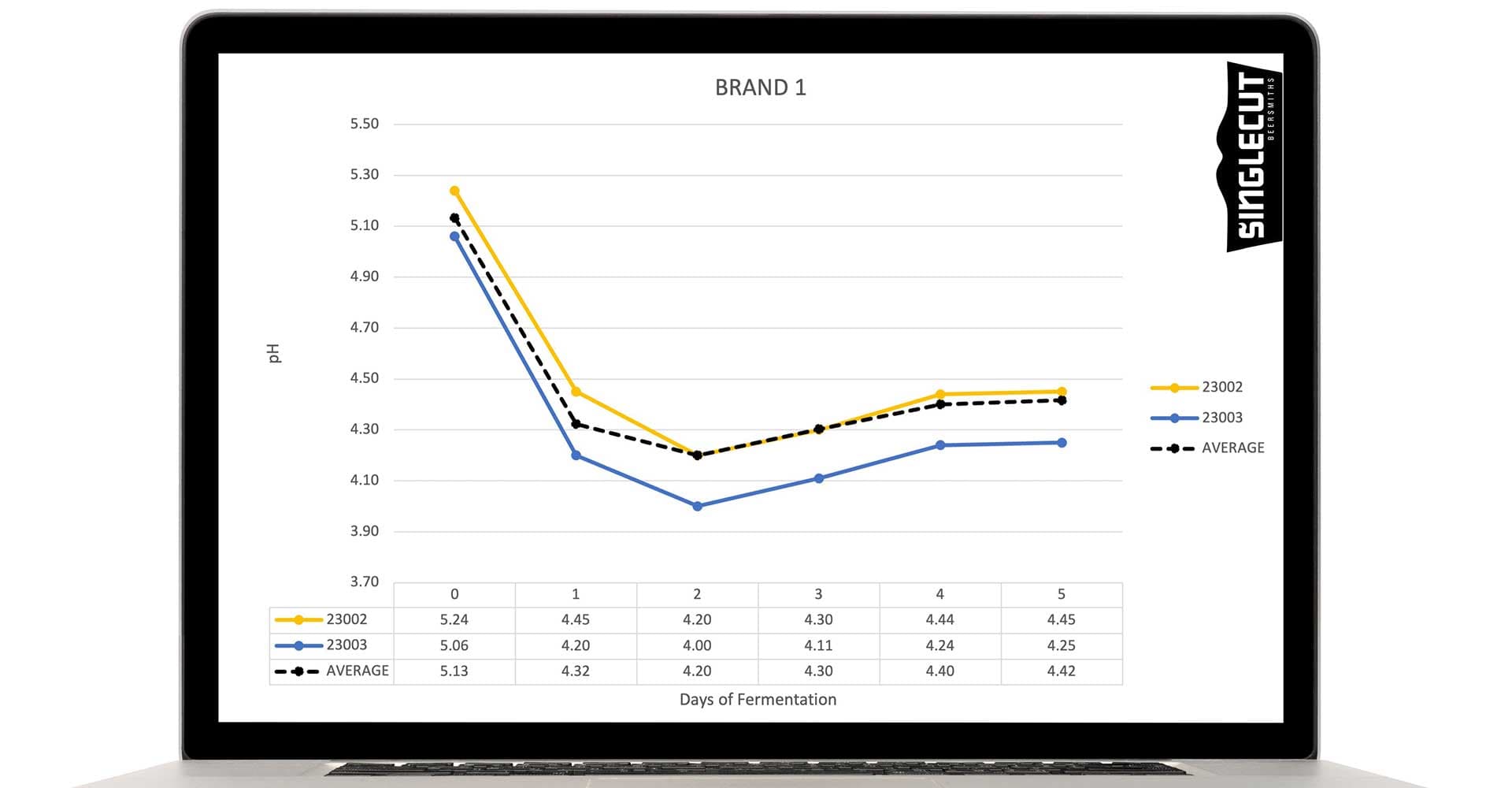
Widely available programs such as Excel or Google Sheets can be simple yet powerful tools for your brewing business, helping you achieve more consistent fermentations and a more predictable brewing schedule.

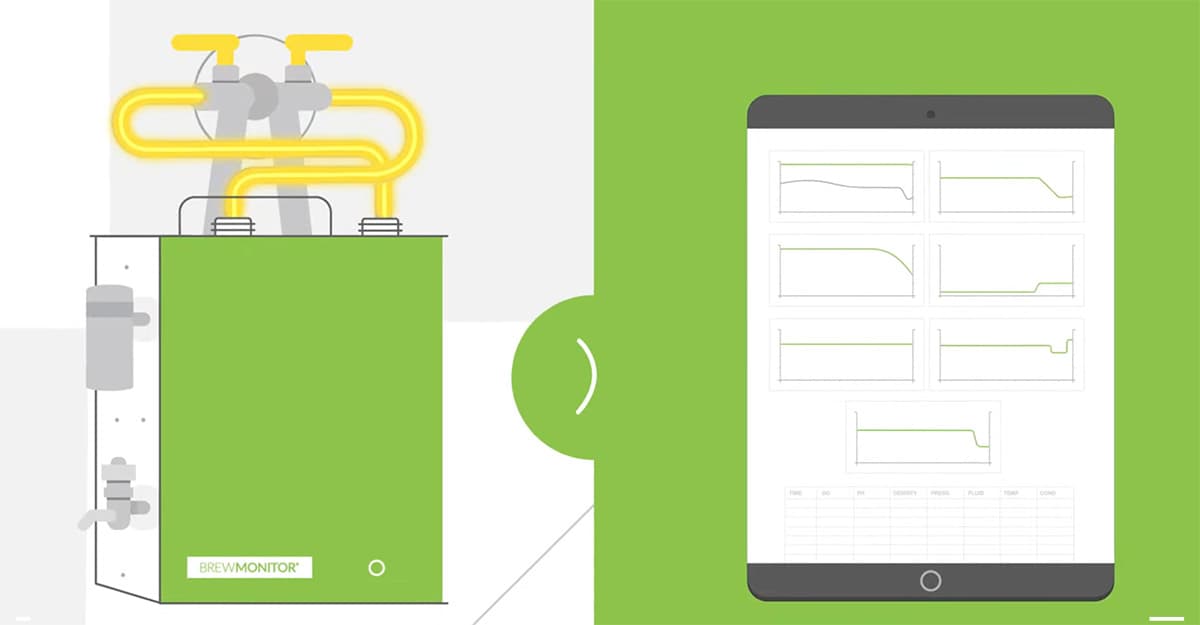
Devices that monitor fermentation in real time and apps that make data analysis a snap can help improve quality and output. They can also save breweries money, reducing the chances for error.
Browse every article filed under this tag.